Complete Technical Paper Content — Ai Dynamic Pricing
1. Executive Abstract, Problem Formulation & Background
Dynamic pricing, also referred to as surge pricing, demand pricing, time-based pricing and variable pricing, is a revenue management pricing strategy in which businesses set flexible prices for products or services based on current market demands. It usually entails raising prices during periods of peak demand and lowering prices during periods of low demand. As a pricing strategy, it encourages consumers to make purchases during periods of low demand (such as buying tickets well in advance of an event or buying meals outside of lunch and dinner rushes) and disincentivizes them during periods of high demand (such as using less electricity during peak electricity hours). In some sectors, economists have characterized dynamic pricing as having welfare improvements over uniform pricing and contributing to more optimal allocation of limited resources. Its usage often stirs public controversy, as people frequently think of it as price gouging. Businesses are able to change prices based on algorithms that take into account competitor pricing, supply and demand, and other external factors in the market. Dynamic pricing is a common practice in several industries such as hospitality, tourism, entertainment, retail, electricity, and public transport. Each industry takes a slightly different approach to dynamic pricing based on its individual needs and the demand for the product.
Time-of-use pricing (TOU pricing), whereby electricity prices are set for a specific time period on an advance or forward basis, typically not changing more often than twice a year. Prices paid for energy consumed during these periods are pre-established and known to consumers in advance, allowing them to vary their usage in response to such prices and manage their energy costs by shifting usage to a lower-cost period, or reducing their consumption overall (demand response) Critical peak pricing, whereby time-of-use prices are in effect except for certain peak days, when prices may reflect the costs of generating and/or purchasing electricity at the wholesale level. Real-time pricing, whereby electricity prices may change as often as hourly (exceptionally more often). Prices may be signaled to a user on an advanced or forward basis, reflecting the utility's cost of generating and/or purchasing electricity at the wholesale level; and Peak-load reduction credits, for consumers with large loads who enter into pre-established peak-load-reduction agreements that reduce a utility's planned capacity obligations. Peak fit pricing is best used for products that are inelastic in supply, where suppliers are fully able to anticipate demand growth and thus be able to charge differently for service during systematic periods of time. A utility with regulated prices may develop a time-based pricing schedule on analysis of its long-run costs, such as operation and investment costs. A utility such as electricity (or another service), operating in a market environment, may be auctioned on a competitive market; time-based pricing will typically reflect price variations on the market. Such variations include both regular oscillations due to the demand patterns of users; supply issues (such as availability of intermittent natural resources like water flow or wind); and exceptional price peaks. Price peaks reflect strained conditions in the market (possibly augmented by market manipulation, as during the California electricity crisis), and convey a possible lack of investment. Extreme events include the default by Griddy after the 2021 Texas power crisis.
Probabilistic and statistical information on potential buyers; see Bayesian-optimal pricing. Prices of competitors. E.g., a seller of an item may automatically detect the lowest price currently offered for that item, and suggest a price within $1 of that price. Automated technology applications for pricing differ among competitors which makes price discovery highly complex and dynamic in the general retail marketplace. Retailers and technology vendors claim the adoption of new pricing tools continues to be dependent on their consumer's price sensitivity and trust that it will not be working against them. Personal information of the currently active buyer, such as her or his demographics and her or his interest in the product. If the seller detects that you are about to buy, your price goes up. Business information of the seller, such as the expected date in which he or she is going to receive new stocks, or her or his target selling velocity in units per day.
Congestion pricing is often used in public transportation and road pricing, where a higher price at peak periods is used to encourage more efficient use of the service or time-shifting to cheaper or free off-peak travel. For example, the San Francisco Bay Bridge charges a higher toll during rush hour and on the weekend, when drivers are more likely to be traveling. This is an effective way to boost revenue when demand is high, while also managing demand since drivers unwilling to pay the premium will avoid those times. The London congestion charge discourages automobile travel to Central London during peak periods. The Washington Metro and Long Island Rail Road charge higher fares at peak times. The tolls on the Custis Memorial Parkway vary automatically according to the actual number of cars on the roadway, and at times of severe congestion can reach almost $50. Dynamic pricing is also used by Uber and Lyft. Uber's system for "dynamically adjusting prices for service" measures supply (Uber drivers) and demand (passengers hailing rides by use of smartphones), and prices fares accordingly. Ride-sharing companies such as Uber and Lyft have increasingly incorporated dynamic pricing into their operations. This strategy enables these businesses to offer the best prices for both drivers and passengers by adjusting prices in real-time in response to supply and demand. When there is a strong demand for rides, rates go up to encourage more drivers to offer their services, and when there is a low demand, prices go down to draw in more passengers.
Supermarkets often use dynamic pricing strategies to manage perishable inventory, such as fresh produce and meat products, that have a limited shelf life. By adjusting prices based on factors like expiration dates and current inventory levels, retailers can minimize waste and maximize revenue. Additionally, the widespread adoption of electronic shelf labels in grocery stores has made it easier to implement dynamic pricing strategies in real-time, enabling retailers to respond quickly to changing market conditions and consumer preferences. These labels also make it easier for grocery stores to mark up high demand items (e.g. making it more expensive to purchase ice in warmer weather).
Amazon engaged in price discrimination for some customers in the year 2000, showing different prices at the same time for the same item to different customers, potentially violating the Robinson–Patman Act. When this incident was criticized, Amazon issued a public apology with refunds to almost 7,000 customers but did not cease the practice. During the COVID-19 pandemic, prices of certain items in high demand were reported to shoot up by quadruple their original price, garnering negative attention. Although Amazon denied claims of any such manipulation and blamed a few sellers for shooting up prices for essentials such as sanitizers and masks, prices of essential products 'sold by Amazon' had also seen a hefty rise in prices. Amazon claimed this was a result of software malfunction.
Artificial intelligence (AI) and its subfields have been used in applications throughout industry and academia. Machine learning has been used for various scientific and commercial purposes, including language translation, image recognition, decision-making, credit scoring, and e-commerce. Since the 2020s, massive advancements have been made in the field of generative AI (GenAI) as a result of the 2017 inception of Transformer Model architecture. GenAI has the ability to create text, images, voice, music, videos, and other forms of data from chat-based prompting.
In agriculture, AI has been proposed as a way for farmers to identify areas that need irrigation, fertilization, or pesticide treatments to increase yields, thereby improving efficiency. AI has been used to attempt to classify livestock pig call emotions, automate greenhouses, detect diseases and pests, and optimize irrigation.
A 2019 study found that generative AI increased productivity by 15% in contact centers. Another 2019 study found it increased productivity by up to 40% for writing tasks. An August 2025 review by MIT found that of surveyed companies, 95% did not report any improvement in revenue from the use of AI. In September 2025, a Harvard Business Review article described how increased use of AI does not automatically lead to increases in revenue or actual productivity. Referring to "AI generated work content that masquerades as good work, but lacks the substance to meaningfully advance a given task", the article coined the term workslop. Per studies done in collaboration with the Stanford Social Media Lab, workslop does not improve productivity and undermines trust and collaboration among colleagues. In telehealth, agentic AI is reportedly facilitating the creation of large business models (millions in annual profit) with 1–2 employees, such as MEDVi, which as of August 2025 only had 2 employees and ~$75M in annual profit for GLP-1 weight-loss telehealth services.
2. Related Work, Literature Survey & Algorithmic Foundations
Research and development of quantum computers has been performed with machine learning algorithms. For example, there is a prototype, photonic, quantum memristive device for neuromorphic computers (NC)/artificial neural networks and NC-using quantum materials with some variety of potential neuromorphic computing-related applications. The use of quantum machine learning for quantum simulators has been proposed for solving physics and chemistry problems.
Artificial intelligence and machine learning are used in electronic design automation to assist with integrated circuit design, including floorplanning, placement, routing, functional verification, and optimization of power, performance, and chip area.
Time sharing Interactive interpreters Graphical user interfaces and the computer mouse Rapid application development environments The linked list data structure Automatic storage management Symbolic programming Functional programming Dynamic programming Object-oriented programming Optical character recognition Constraint satisfaction
AI programs have been used in hiring processes to screen resumes and rank candidates based on their qualifications, predict a candidate's likelihood of success in a given role, and automate repetitive communication tasks using chatbots. Studies on these programs have identified tendencies for gender bias, favoring male names and male-coded characteristics, as well as bias against disabled candidates and racial minorities.
AI underlies avatars (automated online assistants) on web pages. It can reduce operation and training costs. In 2016, Pypestream automated customer service for its mobile application to streamline communication with customers. A Google app analyzes language and converts speech into text. The platform can identify angry customers through their language and respond appropriately. Amazon uses a chatbot for customer service that can perform tasks like checking the status of an order, cancelling orders, offering refunds, and connecting the customer with a human representative.
In educational institutions, AI has been used to automate routine tasks such as attendance tracking, grading, and marking. AI tools have also been used to monitor student progress and analyze learning behaviors, with the goal of facilitating timely interventions for students facing academic challenges. As of 2025 and 2026, respectively, about 80% of high school students and nearly 60% of college students were also using AI. Some schools and universities proposed restrictions on students' usage due to issues with increased cheating, over-reliance on AI tools, and widening of digital inequities.
The U.S. Department of Energy wrote in an April 2024 report that AI may have applications in modeling power grids, reviewing federal permits with large language models (LLMs), predicting levels of renewable energy production, and improving the planning process for electrical vehicle charging networks. Other studies have suggested that machine learning can be used for energy consumption prediction and scheduling (e.g., to help with renewable energy intermittency management).
The late 1980s and early 1990s saw expert systems used in technical and environmental domains. For example, researchers built a fishway design advisor to recommend fish passage structures under varying hydraulic and biological conditions using the VP-Expert shell. Transportation researchers applied the same shell to balance airport capacity with noise-mitigation plans. In agriculture, a potato insect expert system (PIES) supported pest management decisions for Colorado potato beetle. The U.S. Environmental Protection Agency's CORMIX system for modeling pollutant discharges combined rules with Fortran hydrodynamic models. Autonomous ships that monitor the ocean, AI-driven satellite data analysis, passive acoustics or remote sensing and other applications of environmental monitoring make use of machine learning. For example, "Global Plastic Watch" is an AI-based satellite-monitoring platform for analysis/tracking of plastic waste sites to help with the prevention of plastic pollution—primarily ocean pollution—by helping identify who mismanages plastic waste and where dumping into oceans occurs.
AI applications analyze media content such as movies, TV programs, advertisement videos, and user-generated content. The solutions often involve computer vision. Typical scenarios include the analysis of images using object recognition or facial recognition techniques, or the analysis of video for recognizing scenes, objects, or faces. AI-based media analysis can facilitate media search, the creation of descriptive keywords for content, content policy monitoring (such as verifying the suitability of content for a particular TV viewing time), speech to text for archival or other purposes, and the detection of logos, products, or celebrity faces for ad placement.
3. Dataset Ingestion, Preprocessing & Stochastic Augmentations
Motion interpolation Pixel-art scaling algorithms Image scaling Image restoration Photo colorization Film restoration and video upscaling Photo tagging Text-to-image models (such as DALL-E, Midjourney, and Stable Diffusion) Image to video Text to video (such as Make-A-Video from Meta, Imagen video and Phenaki from Google) Text to music with AI models (such as MusicLM) Text to speech (such as ElevenLabs and 15.ai) Motion capture
AI has been used to compose music of various genres. David Cope created an AI called Emily Howell that became well known in the field of algorithmic computer music. The algorithm behind Emily Howell is registered as a US patent. In 2012, AI Iamus created the first complete classical album. AIVA (Artificial Intelligence Virtual Artist), composes symphonic music, mainly classical music for film scores. It became the first virtual composer to be recognized by a musical professional association. Melomics creates computer-generated music for stress and pain relief. The Watson Beat uses reinforcement learning and deep belief networks to compose music on a simple seed input melody and a select style. The software was open sourced, and musicians such as Taryn Southern collaborated with the project. South Korean singer Hayeon's debut song, "Eyes on You", was composed using AI which was supervised by real composers, including NUVO.
Narrative Science sells computer-generated news and reports. It summarizes sporting events based on statistical data from a game. It also creates financial reports and real estate analyses. Automated Insights generates personalized recaps and previews for Yahoo Sports Fantasy Football. Yseop uses AI to turn structured data into natural language comments and recommendations. It writes financial reports, executive summaries, and personalized sales or marketing documents in multiple languages, including English, Spanish, French, and German. TALESPIN made up stories similar to the fables of Aesop. The program started with a set of characters who wanted to achieve certain goals. Mark Riedl and Vadim Bulitko asserted that the essence of storytelling was experience management, or "how to balance the need for a coherent story progression with user agency, which is often at odds". While AI storytelling focuses on story generation (character and plot), story communication also received attention. In 2002, researchers developed an architectural framework for narrative prose generation. They faithfully reproduced text variety and complexity on stories such as Little Red Riding Hood. In 2016, a Japanese AI co-wrote a short story and almost won a literary prize. South Korean company Hanteo Global uses a journalism bot to write articles. Literary authors are also exploring uses of AI. An example is David Jhave Johnston's work ReRites (2017–2019), where the poet created a daily rite of editing the poetic output of a neural network to create a series of performances and publications.
In video games, AI is routinely used to generate behavior in non-player characters (NPCs). In addition, AI is used for pathfinding. Games with less typical AI include the AI director of Left 4 Dead (2008) and the neuroevolutionary training of platoons in Supreme Commander 2 (2010). In the 21st century, AIs have beaten human players in many games, including chess (Deep Blue), Jeopardy! (Watson), Go (AlphaGo), poker (Pluribus and Cepheus), E-sports (StarCraft), and general game playing (AlphaZero and MuZero). Kuki AI is a set of chatbots and other apps which were designed for entertainment and as a marketing tool.
The first AI art program, AARON, was developed by Harold Cohen in 1968 with the goal of being able to code the act of drawing. It started by creating simple black and white drawings, and later to painting using special brushes and dyes chosen by the program without mediation from Cohen. AI platforms such as DALL-E, Stable Diffusion, Imagen, and Midjourney have been used for generating visual images from inputs such as text or other images. Some AI tools allow users to input images and output changed versions, such as to display an object or product in different environments. AI image models can also attempt to replicate the specific styles of artists, and can add visual complexity to rough sketches. AI has been used to generate quantitative analysis of existing digital art collections. Two computational methods, close reading and distant viewing, are typical approaches used to analyze digitized art. While distant viewing includes the analysis of large collections, close reading involves one piece of artwork.
Banks use AI to organize operations for bookkeeping, investing in stocks, and managing properties. AI can adapt to changes during non-business hours.
The use of AI in applications such as online trading and decision-making has changed major economic theories. For example, AI-based buying and selling platforms estimate personalized demand and supply curves, thus enabling individualized pricing. AI systems reduce information asymmetry in the market and thus make markets more efficient. The application of AI in the financial industry can help alleviate financing constraints of non-state-owned enterprises, especially for smaller and more innovative enterprises. Large financial institutions use AI to assist with their investment practices. BlackRock's AI engine, Aladdin, is used both within the company and by clients to help with investment decisions. Its functions include the use of natural language processing to analyze text such as news, broker reports, and social media feeds. It then gauges the sentiment on the companies mentioned and assigns a score. Banks such as UBS and Deutsche Bank use SQREEM (Sequential Quantum Reduction and Extraction Model) to mine data to develop consumer profiles and match them with wealth management products.
AI in healthcare is often used for classification, such as to evaluate a CT scan or electrocardiogram or to identify high-risk patients for population health. Additional potential applications like robot-assisted surgery, virtual nursing assistants, and dosage error reductions could create billions in annual savings for U.S. health care. For certain disorders and diseases, AI algorithms can aid in diagnosis, recommended treatments, outcome prediction, and patient progress tracking. Early detection of diseases like cancer is made possible by AI algorithms, which diagnose diseases by analyzing complex sets of medical data. For example, Microsoft's AI project Hanover helps doctors choose cancer treatments from among the more than 800 medicines and vaccines. Studies have shown AI capable of identifying skin cancers and diagnosing eye conditions, similar to an ophthalmologist, and recommending treatment referrals via transfer learning. Another project monitors multiple high-risk patients by asking each patient questions based on data acquired from doctor/patient interactions. Artificial neural networks are used as clinical decision support systems for medical diagnosis, such as in concept processing technology in electronic medical record (EMR) software. Other healthcare tasks thought suitable for an AI that are in development include:
Screening Companion robots for elder care Drug creation (e.g. by identifying candidate drugs and by using existing drug screening data such as in life extension research) Clinical training Identifying genomic pathogen signatures of novel pathogens or identifying pathogens via physics-based fingerprints (including pandemic pathogens) Helping link genes to their functions, otherwise analyzing genes and identification of novel biological targets Help development of biomarkers Help tailor therapies to individuals in personalized medicine/precision medicine
4. Neural Network Backbone, Layer Specifications & Loss Formulations
AI-enabled chatbots decrease the need for humans to perform basic call center tasks, and machine learning in sentiment analysis can spot fatigue to prevent overwork. Decision support systems can potentially prevent industrial disasters and make disaster response more efficient. For manual workers in material handling, predictive analytics has been proposed to reduce musculoskeletal injury. AI can attempt to process workers' compensation claims. AI has been proposed for detection of accident near misses, which are underreported.
Speech translation technology attempts to convert one language into another. This could potentially reduce language barriers in global commerce and cross-cultural exchange, enabling speakers of various languages to communicate. AI has been used to automatically translate spoken language and textual content in products like Microsoft Translator, Google Translate, and DeepL Translator. Also, research and development are in progress to decode and conduct animal communication. Meaning is conveyed not only by text, but also through usage and context (see semantics and pragmatics). As a result, the two primary categorization approaches for machine translations are statistical machine translation (SMT) and neural machine translations (NMTs). The old method of performing translation was to use statistical methodology to forecast the best probable output with specific algorithms. However, with NMT, the approach employs dynamic algorithms to achieve better translations based on context.
AI facial recognition systems are used for mass surveillance, notably in China. In 2019, Bengaluru, India deployed AI-managed traffic signals that uses cameras to monitor traffic density and adjust signal timing based on the interval needed to clear traffic.
In the 1990s, early AI tools controlled toys like Aibo, a domestic robot in the form of a robotic dog with intelligent features and autonomy. In the mid-2010s, Mattel's Hello Barbie could "understand" conversations, give intelligent responses, and remember. AI in toys could offer personalized learning. However, in May 2026, after early tests to see how toddlers interact with AI, researchers called for tighter regulation on AI-powered toys. Similarly, nonprofit organization Common Sense Media warned against children under five using AI.
AI tools have been used to translate mathematical proofs into formal proofs to automatically verify them.
AI systems have also been used to search for improved algorithms and computational routines. AlphaTensor, AlphaDev, and AlphaEvolve have been applied to matrix multiplication algorithms, sorting routines, and broader scientific and algorithmic discovery.
Various countries are deploying AI military applications. Research is targeting intelligence collection and analysis, logistics, cyber operations, information operations, and semiautonomous and autonomous vehicles. AI has been used in military operations in Iraq, Syria, Israel, and Ukraine.
AI is used in robotics to help robots perceive their surroundings, plan actions, navigate, manipulate objects, and adapt to changing environments. AI systems are used to connect sensor data with physical action, especially in systems operating outside controlled factory settings.
Intelligent personal assistants use AI to attempt to respond to natural language requests. Siri, released in 2010 for Apple smartphones, popularized the concept. Bing Chat has used AI as part of its search engine.
5. Training Protocol, Convergence Behavior & Experimental Evaluation
Machine learning can be used to combat spam, scams, and phishing. It can scrutinize the content of spam and phishing attacks to attempt to identify malicious elements. Some models built via machine learning algorithms have over 90% accuracy in distinguishing between spam and legitimate emails. These models can be refined using new data and evolving spam tactics. Machine learning also analyzes traits such as sender behavior, email header information, and attachment types, potentially enhancing spam detection.
AI has been used in facial recognition systems. Some examples are Apple's Face ID and Android's Face Unlock, which are used to secure mobile devices. China has used facial recognition and AI technology in Xinjiang. In 2017, reporters visiting the region found surveillance cameras installed every hundred meters or so in several cities, as well as facial recognition checkpoints at areas like gas stations, shopping centers, and mosque entrances. Human rights groups have criticized the Chinese government for using AI facial recognition technology for use in political suppression. The Netherlands has deployed facial recognition and AI technology since 2016. As of 2019, the database of the Dutch police contained over 2.2M pictures of 1.3M Dutch citizens. This accounts for about 8% of the population. In The Netherlands, face recognition is not used by the police on municipal CCTV. Image labeling has been used by Google Image Labeler to detect products in photos and allow people to search based on a photo. Image labeling has also been demonstrated to generate speech to describe images to blind people.
Machine learning can help to restore and attribute ancient texts. It can help to index texts, e.g., to enable better and easier searching and classification of fragments.
AI can also be used to investigate genomes to uncover genetic history, such as interbreeding between archaic and modern humans by which, e.g., the past existence of a ghost population, not Neanderthal or Denisovan, was inferred. It can also be used for "non-invasive and non-destructive access to internal structures of archaeological remains".
A deep learning system was reported to learn intuitive physics from visual data (of virtual 3D environments) based on an unpublished approach inspired by studies of visual cognition in infants. Other researchers have developed a machine learning algorithm that could discover sets of basic variables of various physical systems and predict the systems' future dynamics from video recordings of their behavior. In the future, it may be possible that such can be used to automate the discovery of physical laws of complex systems.
Machine learning is used in diverse types of reverse engineering. For example, machine learning has been used to reverse engineer a composite material part, enabling unauthorized production of high quality parts, and for quickly understanding the behavior of malware. It can be used to reverse engineer AI models. It can also design components by engaging in a type of reverse engineering of not-yet existent virtual components, such as inverse molecular design for particular desired functionality or protein design for pre-specified functional sites. Biological network reverse engineering could model interactions in a human understandable way, e.g., based on time-series data of gene expression levels. The open-source Reverse Engineer Anything (REA) project connects AI coding agents with reverse-engineering tools such as Ghidra, Hopper, and IDA to inspect compiled binaries and trace application behavior.
AI is used in astronomy to analyze increasing amounts of available data and applications, mainly for "classification, regression, clustering, forecasting, generation, discovery, and the development of new scientific insights" e.g., for discovering exoplanets, forecasting solar activity, and distinguishing between signals and instrumental effects in gravitational wave astronomy. It could also be used for space exploration, including analysis of data from space missions, real-time science decisions of spacecraft, space debris avoidance, and more autonomous operation. In the search for extraterrestrial intelligence (SETI), machine learning has been used in attempts to identify artificially generated electromagnetic waves in available data—such as real-time observations—and other technosignatures, e.g. via anomaly detection. In ufology, the SkyCAM-5 project headed by Prof. Hakan Kayal and the Galileo Project headed by Avi Loeb use machine learning to attempt to detect and classify types of UFOs. The Galileo Project also seeks to detect two further types of potential extraterrestrial technological signatures with the use of AI: 'Oumuamua-like interstellar objects, and non-manmade artificial satellites. Machine learning can also be used to produce datasets of spectral signatures of molecules that may be involved in the atmospheric production or consumption of particular chemicals—such as phosphine possibly detected on Venus—which could prevent miss assignments and, if accuracy is improved, be used in future detection and identification of molecules on other planets.
There is research about which types of computer-aided chemistry would benefit from machine learning. A deep learning AI-based process has been developed that uses genome databases to design novel proteins based on evolutionary algorithms. Machine learning has also been used for protein design with pre-specified functional sites, predicting molecular properties, and exploring large chemical/reaction spaces. Using drug discovery AI algorithms, researchers generated 40,000 potential chemical weapon candidates, helping in the regulation of such chemicals to prevent synthesizing them for real harm. Applications for machine learning in decoding human biology include helping to map gene expression patterns to functional activation patterns or identifying functional DNA motifs. It is widely used in genetic research. There is some use of machine learning in synthetic biology, disease biology, nanotechnology (e.g., nanostructured materials and bionanotechnology), and materials science.
Network protection: Machine learning has been used to improve intrusion detection systems by broadening the search beyond previously identified threats. Application security: AI has been used to assist in counterattacks, such as server-side request forgery, SQL injection, cross-site scripting, and distributed denial-of-service. Suspect user behavior: Machine learning can attempt to identify fraud or compromised applications as they occur.
Model Figures & Evaluation Curves (4 Images)
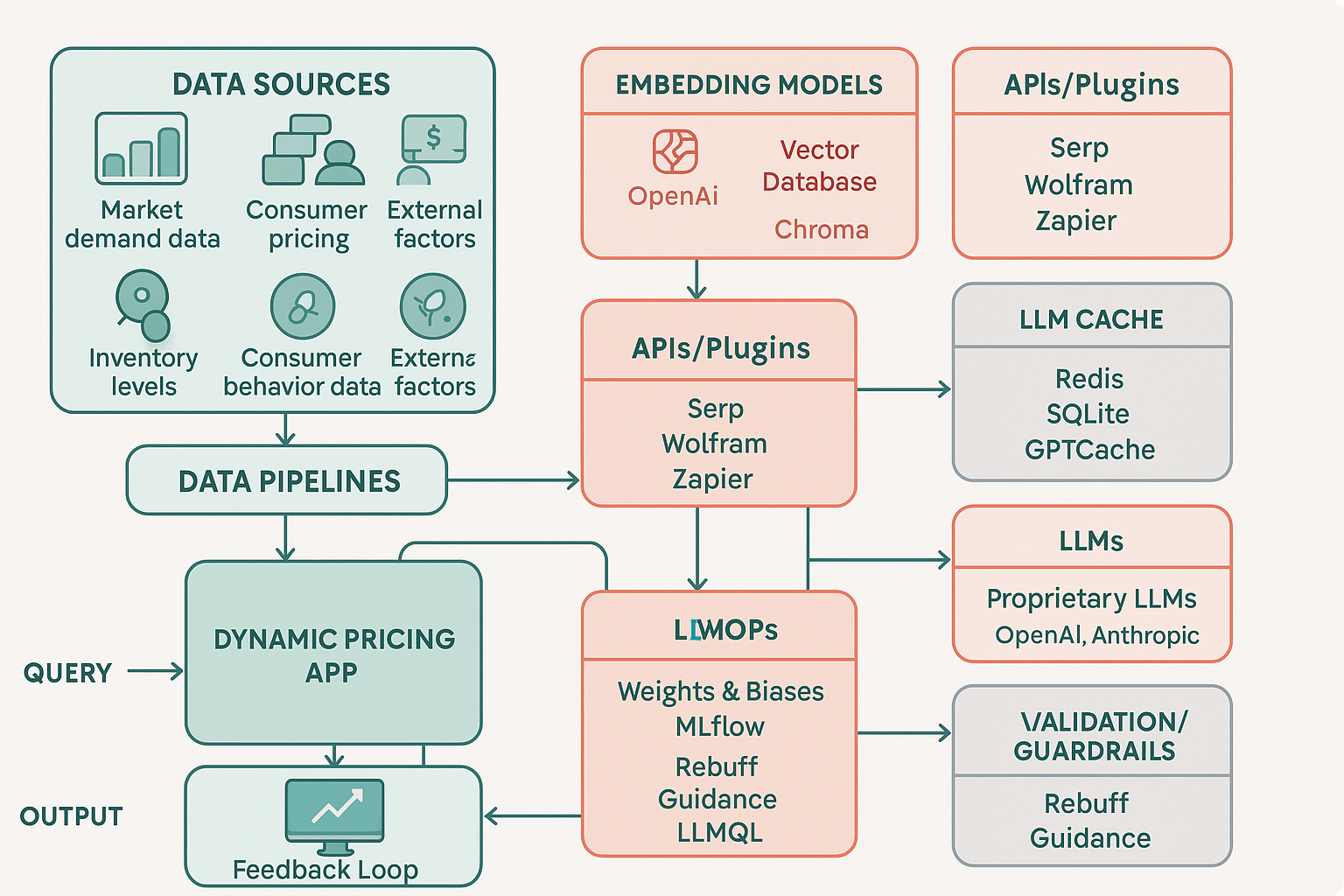
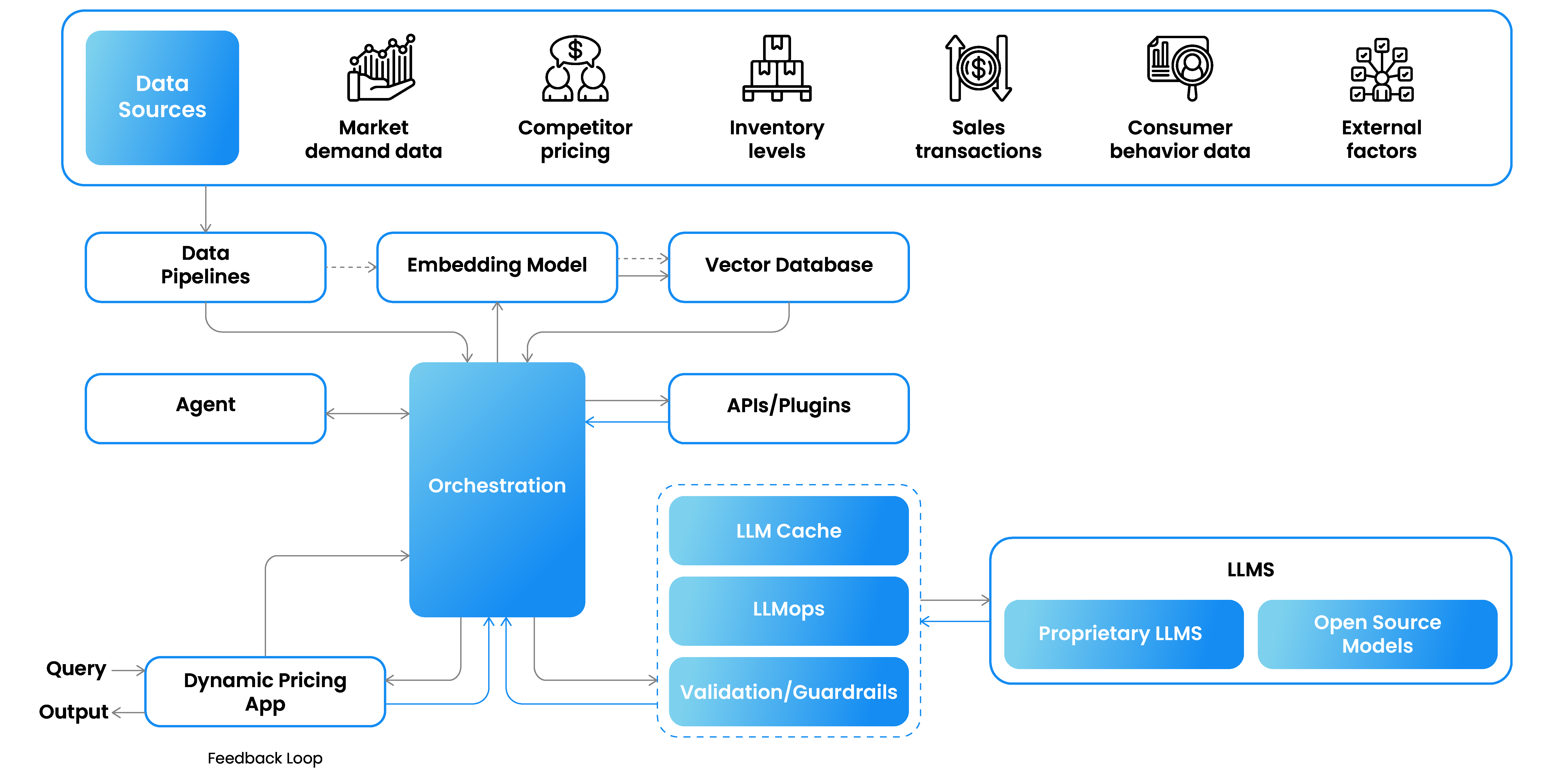
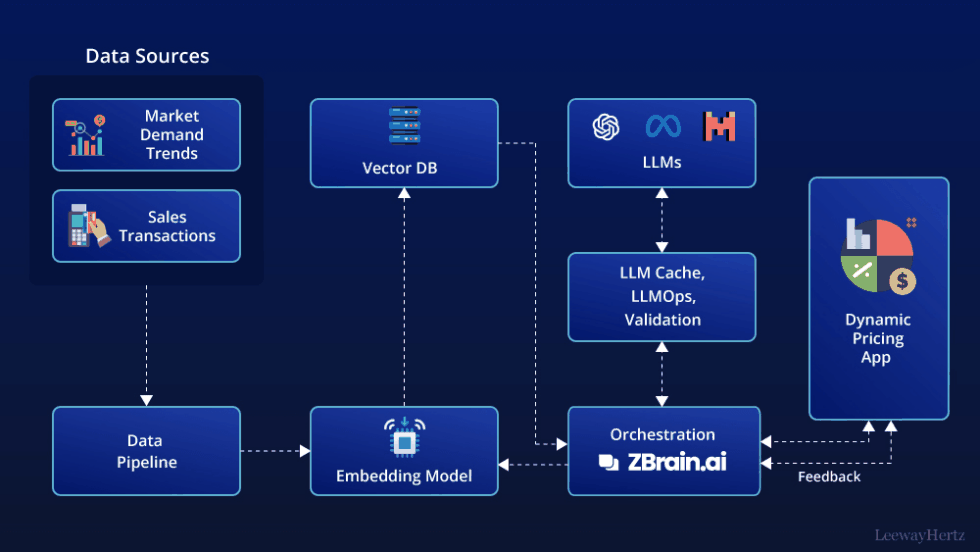
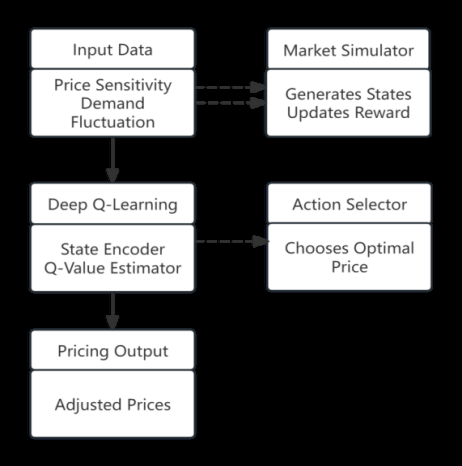
Deep Learning Execution Pipeline
(Preprocessing)
(Feature Extraction)
(Self-Attention)
(Loss Optimization)