Complete Technical Paper Content — Ai Open Source Contribution
1. Executive Abstract, Problem Formulation & Background
Curated list of the best truly open-source AI projects, models, tools, and infrastructure. Daily updated.
OpenArch Python implementations of modern open-source LLM architectures — written from scratch, one model at a time. This repository contains hand-written PyTorch implementations of the model architectures cataloged in Sebastian Raschka's LLM Architecture Gallery . Each model is implemented to the best of my knowledge from the original papers, technical reports, reference config.json files, and the excellent writeups by Sebastian Raschka and Machine Learning Mastery. The goal is not to compete with transformers or other production libraries. The goal is clarity and learning : a single readable file per architecture, with the structural choices (attention type, normalization, layer mix, MoE routing, positional encoding) made explicit and easy to compare side-by-side. Why this repo? Modern LLM architectures share a common skeleton but differ in dozens of small, important choices: Attention: MHA, GQA, MQA, MLA, sliding-window, linear/DeltaNet hybrids Normalization: pre-norm, post-norm, QK-Norm, sandwich norm, RMSNorm Positional encodings: RoPE, NoPE, partial RoPE, YaRN Decoder type: dense vs sparse MoE (with or without shared experts), hybrid Mamba/attention Training-time tricks: Multi-token-prediction, latent experts, gated attention Reading the official model code can be hard because production repos optimize for speed, sharding, and backward compatibility. This repo optimizes for reading . What's implemented (so far) Implementations marked ✅ are usable for forward passes; those marked 🚧 are under construction. Modality Model Status Model Size Normalization Positional Encoding Attention Mixture of Experts Text GPT-2 XL ✅ 1.5B - Absolute Multihead Attention No Llama 2 ✅ 7B RMS Norm RoPE Multihead Attention No Llama 3 ✅ 8B RMS Norm RoPE Grouped Query Attention No OLMo 2 ✅ 7B RMS Norm & QK-Norm RoPE Multihead Attention No DeepSeek R1 ✅ 671B RMS Norm & QK-Norm RoPE Multihead Latent Attention Yes Gemma 3 ✅ 27B RMS Norm & QK-Norm RoPE Grouped Query Attention with Sliding Window No Mistral 3 ✅ 24B RMS Norm RoPE Grouped Query Attention with Sliding Window No Llama 4 Maverick ✅ 400B RMS Norm RoPE Grouped Query Attention Yes Qwen 3 ✅ 4B RMS Norm & QK-Norm RoPE Grouped Query Attention No 30B-A3B RMS Norm & QK-Norm RoPE Grouped Query Attention Yes Kimi K2 ✅ 1T RMS Norm RoPE Multihead Latent Attention Yes GLM 4.5 ✅ 355B RMS Norm & QK-Norm RoPE Grouped Query Attention & Multi-Token Prediction Yes GPT-OSS ✅ 20B RMS Norm RoPE Grouped Query Attention with Sliding Window Yes Grok-2.5 ✅ 270B RMS Norm RoPE Grouped Query Attention Yes Qwen3 Next 🚧 80B-A3B RMS Norm RoPE Gated Attention Yes Multimodal PaliGemma ✅ 3B RMS Norm RoPE Multihead Attention No Qwen3-VL 🚧 3B RMS Norm RoPE Multihead Attention No Image Dall-e 🚧 - - - Transformer - The full target list mirrors the 103 architectures in the Architecture Gallery. Contributions toward any of them are welcome. Repository layout OpenArch/ ├── text/ │ ├── gpt2/ │ │ ├── model.py │ │ └── README.md │ ├── llama3/ │ ├── qwen3/ | ├── grok2.5/ │ └── deepseek_v3/ ├── multimodal/ │ └── pali-gemma/ │ ├── model.py │ └── README.md ├── README.md └── requirements.txt Each model lives in its own folder with respective model.py and a short README.md describing the architectural choices and references used. Contributing I am actively looking for contributors. If you enjoy reading model papers, comparing config.json files, or just want to deepen your understanding of how modern LLMs are built, this is a friendly place to start. Good first contributions: Pick an unimplemented model from the gallery and add a model.py for it Add a README.md for an existing model documenting its architectural choices Add a forward-pass test that loads the official weights and matches outputs on a few tokens Fix bugs, improve docstrings, or refactor shared components Please open an issue before starting a large piece of work so we can avoid duplicating effort. Implementations should prioritize readability over performance — this is a learning resource first. See CONTRIBUTING.md for more details. Acknowledgements This repository would not exist without the work of two outstanding educators: Sebastian Raschka — for the LLM Architecture Gallery , the Big LLM Architecture Comparison series, and the LLMs From Scratch book and codebase. The architecture diagrams, fact sheets, and side-by-side comparisons in the gallery are the primary reference behind every model in this repo. Jason Brownlee and the team at Machine Learning Mastery — for years of clear, accessible tutorials that have helped countless practitioners (myself included) build a working understanding of deep learning and transformer architectures from the ground up. Any errors in the implementations here are entirely my own. License This project is licensed under the Apache License 2.0 — see LICENSE for details. Individual model implementations follow the licenses of the original models where applicable; see each model's folder for specifics. Disclaimer These implementations are written to the best of my knowledge based on publicly available papers, technical reports, configuration files, and educational material. They are intended as a learning resource and are not affiliated with or endorsed by the original model authors. For production use, please use the official implementations or transformers .
Python implementations of modern open-source LLM architectures — written from scratch, one model at a time.
This repository contains hand-written PyTorch implementations of the model architectures cataloged in Sebastian Raschka's LLM Architecture Gallery . Each model is implemented to the best of my knowledge from the original papers, technical reports, reference config.json files, and the excellent writeups by Sebastian Raschka and Machine Learning Mastery.
The goal is not to compete with transformers or other production libraries. The goal is clarity and learning : a single readable file per architecture, with the structural choices (attention type, normalization, layer mix, MoE routing, positional encoding) made explicit and easy to compare side-by-side.
Modern LLM architectures share a common skeleton but differ in dozens of small, important choices:
Reading the official model code can be hard because production repos optimize for speed, sharding, and backward compatibility. This repo optimizes for reading .
Implementations marked ✅ are usable for forward passes; those marked 🚧 are under construction.
The full target list mirrors the 103 architectures in the Architecture Gallery. Contributions toward any of them are welcome.
OpenArch/ ├── text/ │ ├── gpt2/ │ │ ├── model.py │ │ └── README.md │ ├── llama3/ │ ├── qwen3/ | ├── grok2.5/ │ └── deepseek_v3/ ├── multimodal/ │ └── pali-gemma/ │ ├── model.py │ └── README.md ├── README.md └── requirements.txt
Each model lives in its own folder with respective model.py and a short README.md describing the architectural choices and references used.
2. Related Work, Literature Survey & Algorithmic Foundations
I am actively looking for contributors. If you enjoy reading model papers, comparing config.json files, or just want to deepen your understanding of how modern LLMs are built, this is a friendly place to start.
Please open an issue before starting a large piece of work so we can avoid duplicating effort. Implementations should prioritize readability over performance — this is a learning resource first.
This project is licensed under the Apache License 2.0 — see LICENSE for details. Individual model implementations follow the licenses of the original models where applicable; see each model's folder for specifics.
These implementations are written to the best of my knowledge based on publicly available papers, technical reports, configuration files, and educational material. They are intended as a learning resource and are not affiliated with or endorsed by the original model authors. For production use, please use the official implementations or transformers .
PyTorch implementations of modern open-source LLM architectures (Llama, Qwen, DeepSeek, Gemma, GPT-OSS, Kimi, and more) — written from scratch for readability and learning, based on Sebastian Raschka's LLM Architecture Gallery.
You can find ways to contribute to open source projects on GitHub that are relevant to you.
Open source software powers much of the technology you use daily, from the web browser on your screen to the NASA Ingenuity helicopter that flew on Mars .
Contributing to open source software allows you to build upon your technical expertise, boost your portfolio, help shape the future of technology, and connect with developers across the globe.
With the vast array of available open source projects spanning numerous domains and technologies, finding where to begin your contribution journey can seem overwhelming. If you have open source software that you use daily, that's a great place to get started! GitHub also provides several tools that can help narrow down your search to a project that fits your domain.
You can use Copilot Chat to help find open source repositories that match an area you want to improve or boost your skills in.
Open Copilot Chat and start a general purpose chat. In this example, we'll ask Copilot to find open source projects written in the Python programming language.
3. Dataset Ingestion, Preprocessing & Stochastic Augmentations
I'm looking for a list of open source projects written in Python that are accepting new contributors. Narrow down the list to repositories that use the `good first issue` or `help wanted` labels and have over 100 stars on GitHub.
Using the good first issue and help wanted labels in the search will help Copilot filter for repositories that open for first-time contributors. After searching, Copilot will provide a link to a full list of repositories with those labels in the context of your search.
If there's a particular topic that interests you, visit github.com/topics/<topic> . For example, if you are interested in machine learning, you can find relevant projects and good first issues by visiting https://github.com/topics/machine-learning . You can also search for repositories that match a topic you're interested in. See Searching for repositories . You can browse popular repositories of the day by visiting Trending .
If you're interested in contributing to projects that reduce the carbon emissions of software , review GitHub's Green Software Directory .
If you've been active on GitHub, you can find personalized recommendations for projects and good first issues based on your past contributions, stars, and other activities in Explore GitHub .
Before getting started contributing to an open source repository, it's recommended to check if the repository is being actively maintained. Copilot can analyze a repository and tell you about its recent activity.
You can also visit the Pulse view under the Insights tab in the repository to get an overview of recent activity. See the github/docs Pulse for an example of what an active open source project looks like.
Each open source project will have a different approach to how they want to accept contributions. If you're looking to add a new feature or have discovered a bug, you'll want to open an issue outlining your proposed approach before investing significant development time. This can save effort by aligning with maintainer expectations early on.
Remember that non-code contributions like improving documentation, design, or community support are just as valuable as code contributions, and often have a lower barrier to entry.
Now that you've found an open source project to work on and have learned about different ways to contribute, you are ready to make your first contribution. Head over to Contributing to open source to walk through the end-to-end process of making a contribution.
🎓 Open Source AI Engineering Curriculum Welcome to the Open Source AI Engineering Curriculum , a complete path for anyone aspiring to become a self-taught AI engineer — from basic programming skills to mastering cutting-edge AI techniques like Large Language Models, Agentic AI, and Prompt Engineering. This curriculum is designed for self-learners and includes all the resources needed to become proficient in AI engineering, powered by free and open-source materials. Why This Project Exists The field of Artificial Intelligence is rapidly evolving, but access to structured, high-quality AI education often comes with high costs. This curriculum aims to provide free and open resources to anyone eager to learn, covering essential AI engineering skills, from basic programming to deploying advanced models. Curriculum Overview The curriculum is divided into multiple sections: Programming : Python, Git, Data Structures Mathematics : Linear Algebra, Probability, Statistics Machine Learning : Supervised, Unsupervised, Model Evaluation Deep Learning : Neural Networks, CNNs, RNNs, Transformers Specializations : Natural Language Processing (NLP), Computer Vision, Reinforcement Learning (RL) Modern AI : Large Language Models (LLMs), Agentic AI, Retrieval-Augmented Generation (RAG), Prompt Engineering Capstone Projects : Real-world AI projects Each section is designed to progressively build knowledge and culminate in hands-on experience with practical projects. Guided Curriculum Path The curriculum is designed to be followed step-by-step, but you can also jump to any section you're interested in. Each path comes with a list of recommended resources, including free online courses, textbooks, and project ideas. How to Contribute This project is open source and community-driven. If you'd like to contribute, you can: Suggest additional resources Improve existing content Fix broken links or typos Help add more projects For detailed instructions on how to contribute, check the Contributing Guide . Project Repository The full curriculum is hosted on GitHub, and you can explore it, contribute, or learn at your own pace: Open Source AI Engineering Curriculum This curriculum is free and designed to keep pace with the most current advancements in AI, ensuring that learners stay ahead in the field. Let's build a community of learners and contribute to the growth of AI engineering knowledge!
4. Neural Network Backbone, Layer Specifications & Loss Formulations
Welcome to the Open Source AI Engineering Curriculum , a complete path for anyone aspiring to become a self-taught AI engineer — from basic programming skills to mastering cutting-edge AI techniques like Large Language Models, Agentic AI, and Prompt Engineering.
This curriculum is designed for self-learners and includes all the resources needed to become proficient in AI engineering, powered by free and open-source materials.
The field of Artificial Intelligence is rapidly evolving, but access to structured, high-quality AI education often comes with high costs. This curriculum aims to provide free and open resources to anyone eager to learn, covering essential AI engineering skills, from basic programming to deploying advanced models.
Each section is designed to progressively build knowledge and culminate in hands-on experience with practical projects.
The curriculum is designed to be followed step-by-step, but you can also jump to any section you're interested in. Each path comes with a list of recommended resources, including free online courses, textbooks, and project ideas.
This project is open source and community-driven. If you'd like to contribute, you can:
The full curriculum is hosted on GitHub, and you can explore it, contribute, or learn at your own pace: Open Source AI Engineering Curriculum
This curriculum is free and designed to keep pace with the most current advancements in AI, ensuring that learners stay ahead in the field.
Let's build a community of learners and contribute to the growth of AI engineering knowledge!
🚀 AI/ML Platform Engineer — 6-Month Senior-Ready Roadmap For Kubernetes/Cloud Engineers transitioning into AI/ML Engineering Updated with: Data Engineering foundations, Vector DBs, LLMOps, Distributed Training, Security & Governance, ML Observability Resources listed in the order you should follow them. 📅 MONTH 1 — ML Foundations + Data Systems for ML You can't be an ML Platform Engineer without understanding the data layer. Start both tracks in parallel. Track A — ML Fundamentals # Resource URL Type 1 Andrew Ng — ML Specialization (theory foundations first) https://www.coursera.org/specializations/machine-learning-introduction Course (Free audit) 2 fast.ai — Practical Deep Learning for Coders (top-down, code-first) https://course.fast.ai/ Course (Free) 3 fast.ai Book (companion, freely available online) https://fastai.github.io/fastbook2e/ Book (Free) Track B — Data Engineering for ML (Critical Layer — Don't Skip) Modern ML platforms = feature pipelines + batch + streaming + lakehouse. Without this, you look like a model-serving engineer, not a platform engineer. # Resource URL Type 4 Apache Parquet & Arrow Fundamentals — columnar storage, the foundation https://arrow.apache.org/docs/python/parquet.html Docs 5 Delta Lake Docs — ACID ML data lakes (Databricks-native) https://docs.delta.io/latest/index.html Docs 6 Apache Iceberg Docs — open table format, broader engine support https://iceberg.apache.org/docs/latest/ Docs 7 Apache Kafka Intro — event-driven data for ML feature pipelines https://kafka.apache.org/intro Docs 8 Confluent Kafka Docs — deeper Kafka reference https://docs.confluent.io/kafka/introduction.html Docs 🔁 Reframe Your Existing Work Write posts positioning your Kubernetes operators as ML infrastructure Your developer platforms = Internal ML Developer Portals Your API skills = ML serving gateways with rate limiting and queuing 📅 MONTH 2 — MLOps Core + Tooling Model Serving # Resource URL Type 9 KServe Docs — Kubernetes-native model serving (operator patterns you'll recognize) https://kserve.github.io/website/docs/intro Docs 10 KServe GitHub — source, examples, issues https://github.com/kserve/kserve GitHub 11 KServe Quickstart https://kserve.github.io/website/docs/getting-started/quickstart-guide Quickstart 12 Ray Serve Docs — alternative serving framework https://docs.ray.io/en/latest/serve/index.html Docs Experiment Tracking & Pipelines # Resource URL Type 13 MLflow Docs — experiment tracking and model registry https://mlflow.org/docs/latest/index.html Docs 14 Kubeflow — ML workflows on Kubernetes https://www.kubeflow.org/ Docs 15 Kubeflow Pipelines — portable, scalable ML workflows https://www.kubeflow.org/docs/components/pipelines/overview/ Docs Feature Stores # Resource URL Type 16 Feast Docs — open-source feature store https://docs.feast.dev Docs 17 Feast GitHub — source and examples https://github.com/feast-dev/feast GitHub 🔨 Month 2 Project Train a simple model → serve it via KServe on Kind → expose via a Go API you write → log experiments with MLflow 📅 MONTH 3 — LLM Infrastructure + Vector Databases This is the highest-demand zone in 2026. RAG systems are production reality. Interviewers will probe deeply here. LLM Serving Engines # Resource URL Type 18 vLLM Docs — high-throughput LLM serving with paged attention https://docs.vllm.ai/en/stable/ Docs 19 vLLM Quickstart https://docs.vllm.ai/en/latest/getting_started/quickstart/ Quickstart 20 Ollama — run open-source LLMs locally and on-cluster https://ollama.com/ Tool Vector Databases (Don't Skip — Interviewers Always Ask) You need to understand: embedding pipelines, chunking strategy, vector indexing (HNSW, IVF), recall vs latency tradeoffs. # Resource URL Type 21 Milvus Docs — enterprise-scale open-source vector DB, Kubernetes-native https://milvus.io/docs Docs 22 Weaviate Docs — hybrid search + knowledge graph capabilities https://weaviate.io/developers/weaviate Docs 23 Pinecone Docs — managed vector DB, easiest to start with https://docs.pinecone.io/home Docs 24 Qdrant Docs — performance-focused OSS vector DB, good for self-hosting https://qdrant.tech/documentation/ Docs GPU Kubernetes Operations # Resource URL Type 25 NVIDIA GPU Operator — GPU node management on Kubernetes https://docs.nvidia.com/datacenter/cloud-native/gpu-operator/latest/index.html Docs 26 KEDA Docs — event-driven autoscaling on GPU utilization metrics https://keda.sh/docs/latest/ Docs 27 KEDA GitHub https://github.com/kedacore/keda GitHub Model Quantization (Conceptual Depth) # Resource URL Type 28 HuggingFace Quantization Guide — GGUF, AWQ, GPTQ explained https://huggingface.co/docs/transformers/main/en/quantization/overview Docs 🔨 Month 3 Project Deploy a self-hosted LLM (Llama/Mistral) + a vector store (Milvus) + autoscaling via KEDA + Go API with request queuing This is the foundation of your capstone RAG platform 📅 MONTH 4 — LLMOps, Distributed Training + Platform Architecture LLMOps & Prompt Infrastructure (2026 Hiring Signal) Prompt versioning, evaluation frameworks, guardrails — these are now standard interview topics. # Resource URL Type 29 LangChain Docs — build LLM chains, agents, and RAG pipelines https://python.langchain.com/docs/introduction/ Docs 30 LangSmith Docs — prompt versioning, tracing, and evaluation https://docs.smith.langchain.com/ Docs 31 LlamaIndex Docs — data framework for LLM retrieval (RAG-focused) https://docs.llamaindex.ai/en/stable/ Docs 32 Weights & Biases — LLM Evals https://wandb.ai/site/solutions/llm Docs 33 Guardrails AI — output validation and guardrails for LLMs https://www.guardrailsai.com/docs Docs Distributed Training (Senior-Level Requirement) You're inference-heavy so far. Add this to cover senior platform roles that own the full training → serving lifecycle. # Resource URL Type 34 PyTorch Distributed Training Overview — data, tensor, pipeline parallelism explained https://pytorch.org/tutorials/beginner/dist_overview.html Docs 35 Ray Train Docs — distributed ML training (pairs with Ray Serve you already know) https://docs.ray.io/en/latest/train/train.html Docs 36 Ray Train + PyTorch Quickstart https://docs.ray.io/en/latest/train/getting-started-pytorch.html Quickstart AI Platform Architecture (Engineering Blog Reading) # Resource URL Type 37 Uber — Michelangelo ML Platform https://www.uber.com/blog/michelangelo-machine-learning-platform/ Blog 38 Airbnb — ML Platform Architecture https://medium.com/airbnb-engineering/using-machine-learning-to-predict-value-of-homes-on-airbnb-9272d3d4739d Blog 39 LinkedIn — Scaling ML Productivity https://engineering.linkedin.com/blog/2019/01/scaling-machine-learning-productivity-at-linkedin Blog 40 Netflix — Metaflow Open Source https://netflixtechblog.com/open-sourcing-metaflow-a-human-centric-framework-for-data-science-fa72e04a5d9 Blog Kubernetes Operator Development for ML # Resource URL Type 41 Kubebuilder Book — build operators (review ML-specific patterns) https://book.kubebuilder.io/ Book (Free) 42 Operator SDK Docs https://sdk.operatorframework.io/docs/ Docs GPU Cost Optimization # Resource URL Type 43 AWS EC2 Spot Instances for ML https://aws.amazon.com/blogs/machine-learning/run-machine-learning-workloads-with-amazon-ec2-spot-instances-and-amazon-ec2-auto-scaling/ Blog 44 GCP Spot VMs for AI Workloads https://cloud.google.com/compute/docs/instances/spot Docs 45 NVIDIA MIG (Multi-Instance GPU) https://docs.nvidia.com/datacenter/tesla/mig-user-guide/ Docs 🔨 Month 4 Project Build a Golang Kubernetes Operator for ModelServer: manages model lifecycle (versioning, canary rollouts, shadow mode) Add LangSmith-based prompt evaluation to your RAG pipeline from Month 3 📅 MONTH 5 — Cloud AI Services + ML Observability + Security & Governance LLM-Specific Observability (Senior-Level Signals) Prometheus + Grafana alone is insufficient for AI roles. Interviewers will ask about: token throughput, latency percentiles, hallucination rate tracking, embedding drift. # Resource URL Type 46 Arize AI — LLM observability with embedding drift, hallucination monitoring https://docs.arize.com/arize Docs 47 WhyLabs Docs — ML monitoring for data drift and model performance https://docs.whylabs.ai/docs/ Docs 48 Evidently AI — open-source ML monitoring and drift detection https://docs.evidentlyai.com/ Docs 49 Prometheus Docs — infrastructure metrics (token throughput, GPU utilization) https://prometheus.io/docs/introduction/overview/ Docs 50 Grafana Docs — dashboarding for ML-specific metrics https://grafana.com/docs/grafana/latest/ Docs ML Security & Governance (Big Gap Interviewers Now Probe) Model supply chain security, PII handling, data lineage, RBAC for model access — platform engineers who know this stand out. # Resource URL Type 51 ML Security OWASP Top 10 for LLMs — the canonical security reference for LLM apps https://owasp.org/www-project-top-10-for-large-language-model-applications/ Docs 52 Sigstore — Model Signing — supply chain security for ML artifacts https://www.sigstore.dev/ Docs 53 OPA (Open Policy Agent) — RBAC and policy enforcement for model access https://www.openpolicyagent.org/docs/latest/ Docs 54 OpenLineage — data lineage standard for ML pipelines https://openlineage.io/ Docs 55 Marquez — metadata and lineage service built on OpenLineage https://marquezproject.ai/ Docs Cloud AI Services Google Cloud (Primary) # Resource URL Type 56 Vertex AI Documentation https://cloud.google.com/vertex-ai/docs Docs 57 GCP ML Engineer Learning Path https://www.skills.google/paths/17 Course (Free) 58 Preparing for GCP ML Eng Cert — Coursera https://www.coursera.org/professional-certificates/preparing-for-google-cloud-machine-learning-engineer-professional-certificate Course AWS (Secondary) # Resource URL Type 59 Amazon SageMaker Developer Guide https://docs.aws.amazon.com/sagemaker/latest/dg/whatis.html Docs 60 Amazon Bedrock Docs https://docs.aws.amazon.com/bedrock/latest/userguide/what-is-bedrock.html Docs Azure (Secondary) # Resource URL Type 61 Azure Machine Learning Docs https://learn.microsoft.com/en-us/azure/machine-learning/overview-what-is-azure-machine-learning Docs 🎯 Certification Strategy Senior roles care more about OSS contributions and technical blog depth than certs. Treat the cert as a bonus, not the goal. # Resource URL Notes 62 Google Professional ML Engineer (primary — most respected) https://cloud.google.com/learn/certification/machine-learning-engineer $200 63 Exam Guide PDF https://cloud.google.com/learn/certification/guides/machine-learning-engineer Free 64 AWS ML Specialty (optional secondary) https://aws.amazon.com/certification/certified-machine-learning-specialty/ $300 📅 MONTH 6 — Capstone Project + Portfolio + Job Targeting 🏆 Capstone: Production-Grade RAG Platform on Kubernetes One cohesive system beats four disconnected demos. This single project will outperform most ML engineer portfolios. System components to build: Component Technology Data ingestion pipeline Kafka + Iceberg/Delta Lake Embedding generation service HuggingFace models + vLLM Vector database Milvus (Kubernetes-native) LLM inference vLLM with quantized Llama/Mistral Autoscaling KEDA on GPU utilization + queue depth Model lifecycle management Your custom Golang Kubernetes Operator Prompt evaluation & tracing LangSmith or W&B Observability dashboards Prometheus + Grafana + Arize AI (embedding drift) Canary model rollout Istio traffic splitting via your Operator Security & access control OPA policies for model endpoint RBAC Data lineage OpenLineage integration Cost monitoring GPU utilization reports + spot instance optimization Job Targeting Resources # Resource URL Type 65 ML Engineer jobs — LinkedIn https://www.linkedin.com/jobs/search/?keywords=ML+Platform+Engineer Job Board 66 ai-jobs.net — AI-specific job board https://ai-jobs.net/ Job Board 67 Levels.fyi — ML Engineer salaries https://www.levels.fyi/t/machine-learning-engineer Salary Data 🗂️ BONUS: Reference Resources (Use Throughout All 6 Months) Resource URL Why HuggingFace — model hub, datasets, spaces https://huggingface.co/ Central hub for open-source models Papers With Code — ML research + reproducible code https://paperswithcode.com/ Stay current on research The Batch (Andrew Ng newsletter) https://www.deeplearning.ai/the-batch/ Weekly AI news digest MLOps Community https://mlops.community/ Networking with practitioners CNCF AI/ML Working Group https://github.com/cncf/tag-runtime/blob/main/wg/artificial-intelligence.md Kubernetes + ML community Golang Kubernetes client-go https://github.com/kubernetes/client-go Operator development base Apache Arrow Docs https://arrow.apache.org/docs/ Columnar data format fundamentals ✅ Senior-Ready Portfolio Checklist (Month 6) Projects Capstone RAG Platform — full production stack (see Month 6 table above) Golang Kubernetes Operator for ModelServer (versioning, canary, shadow mode) End-to-end ML pipeline — Kafka → Iceberg → training → model registry → serving Distributed training demo — PyTorch + Ray Train on multi-GPU Kubernetes node pool Content 3+ technical blog posts framing infra skills through the ML lens 1 OSS contribution to KServe, Kubeflow, or Milvus (beats any cert) LinkedIn posts on GPU autoscaling, LLM serving, or MLOps — this space has low-quality content, you'll stand out Interview Readiness Can explain RAG architecture end-to-end (chunking → embedding → retrieval → generation) Can articulate data parallelism vs tensor parallelism vs pipeline parallelism Can discuss HNSW vs IVF vector indexing tradeoffs Can explain ML supply chain security threats (model poisoning, prompt injection) Can design RBAC for a multi-tenant model serving platform 🗺️ Revised Learning Flow (Mirrors Real ML System Evolution) Month 1: ML Fundamentals + Data Systems (Kafka, Iceberg, Delta Lake) ↓ Month 2: MLOps (KServe, Kubeflow, Feast, MLflow) ↓ Month 3: LLM Infra (vLLM, Vector DBs, GPU ops) ↓ Month 4: LLMOps + Distributed Training + Platform Architecture ↓ Month 5: Observability + Security + Cloud AI Services ↓ Month 6: Capstone Project + Portfolio + Job Search Your unfair advantage: Most ML engineers are learning Kubernetes. You already own it. Add the ML domain layer on top and you become the rarest hire in the market — a platform engineer who also speaks ML.
For Kubernetes/Cloud Engineers transitioning into AI/ML Engineering Updated with: Data Engineering foundations, Vector DBs, LLMOps, Distributed Training, Security & Governance, ML Observability Resources listed in the order you should follow them.
5. Training Protocol, Convergence Behavior & Experimental Evaluation
You can't be an ML Platform Engineer without understanding the data layer. Start both tracks in parallel.
Modern ML platforms = feature pipelines + batch + streaming + lakehouse. Without this, you look like a model-serving engineer, not a platform engineer.
Train a simple model → serve it via KServe on Kind → expose via a Go API you write → log experiments with MLflow
This is the highest-demand zone in 2026. RAG systems are production reality. Interviewers will probe deeply here.
You need to understand: embedding pipelines, chunking strategy, vector indexing (HNSW, IVF), recall vs latency tradeoffs.
Deploy a self-hosted LLM (Llama/Mistral) + a vector store (Milvus) + autoscaling via KEDA + Go API with request queuing This is the foundation of your capstone RAG platform
Prompt versioning, evaluation frameworks, guardrails — these are now standard interview topics.
You're inference-heavy so far. Add this to cover senior platform roles that own the full training → serving lifecycle.
Build a Golang Kubernetes Operator for ModelServer: manages model lifecycle (versioning, canary rollouts, shadow mode) Add LangSmith-based prompt evaluation to your RAG pipeline from Month 3
Prometheus + Grafana alone is insufficient for AI roles. Interviewers will ask about: token throughput, latency percentiles, hallucination rate tracking, embedding drift.
Model supply chain security, PII handling, data lineage, RBAC for model access — platform engineers who know this stand out.
Model Figures & Evaluation Curves (4 Images)
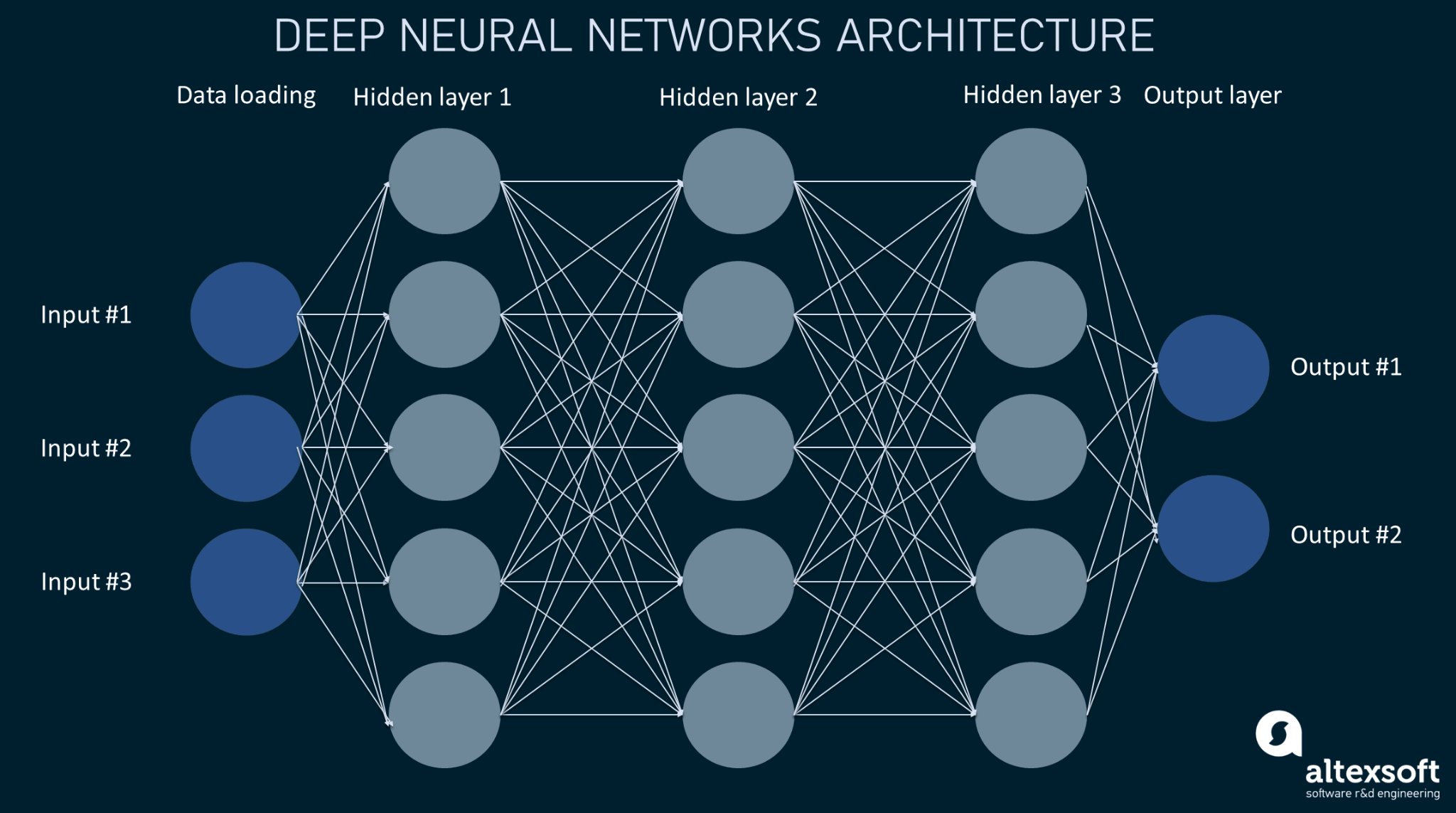
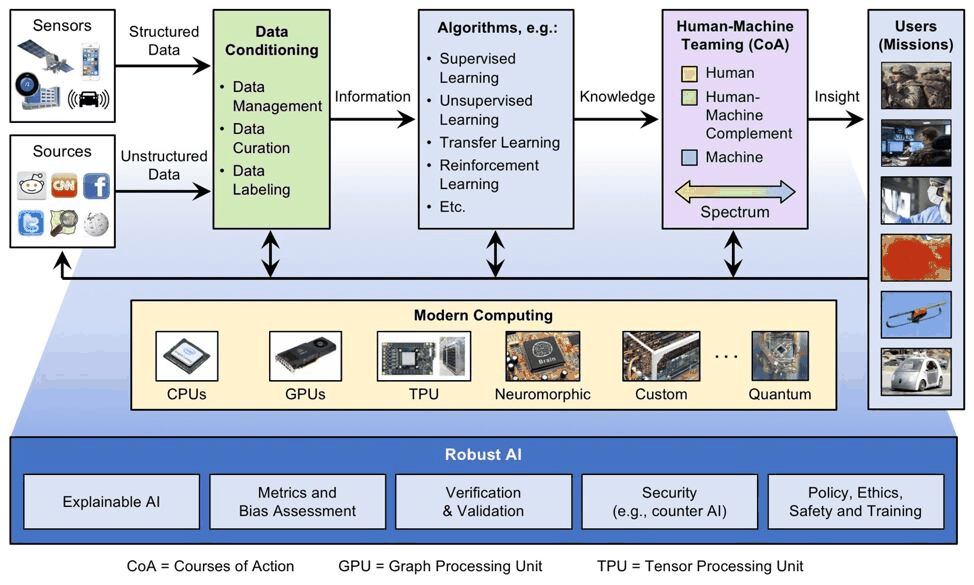
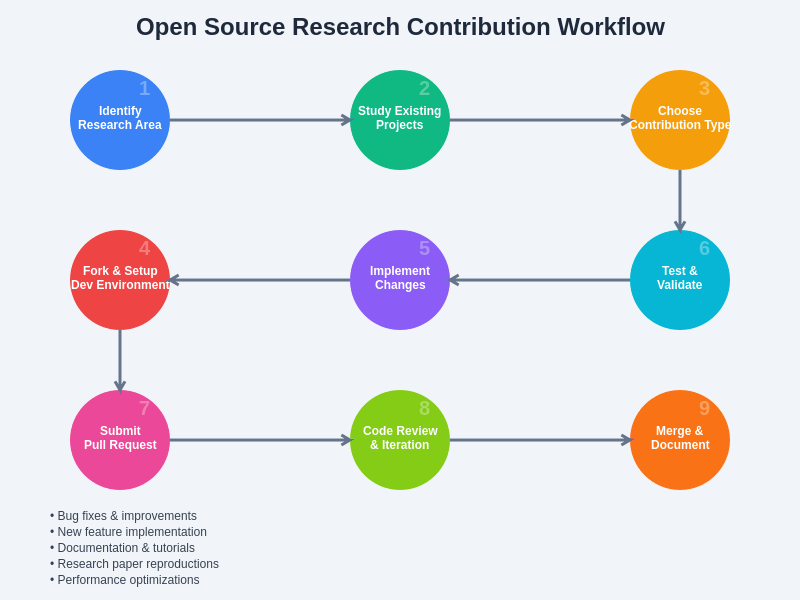
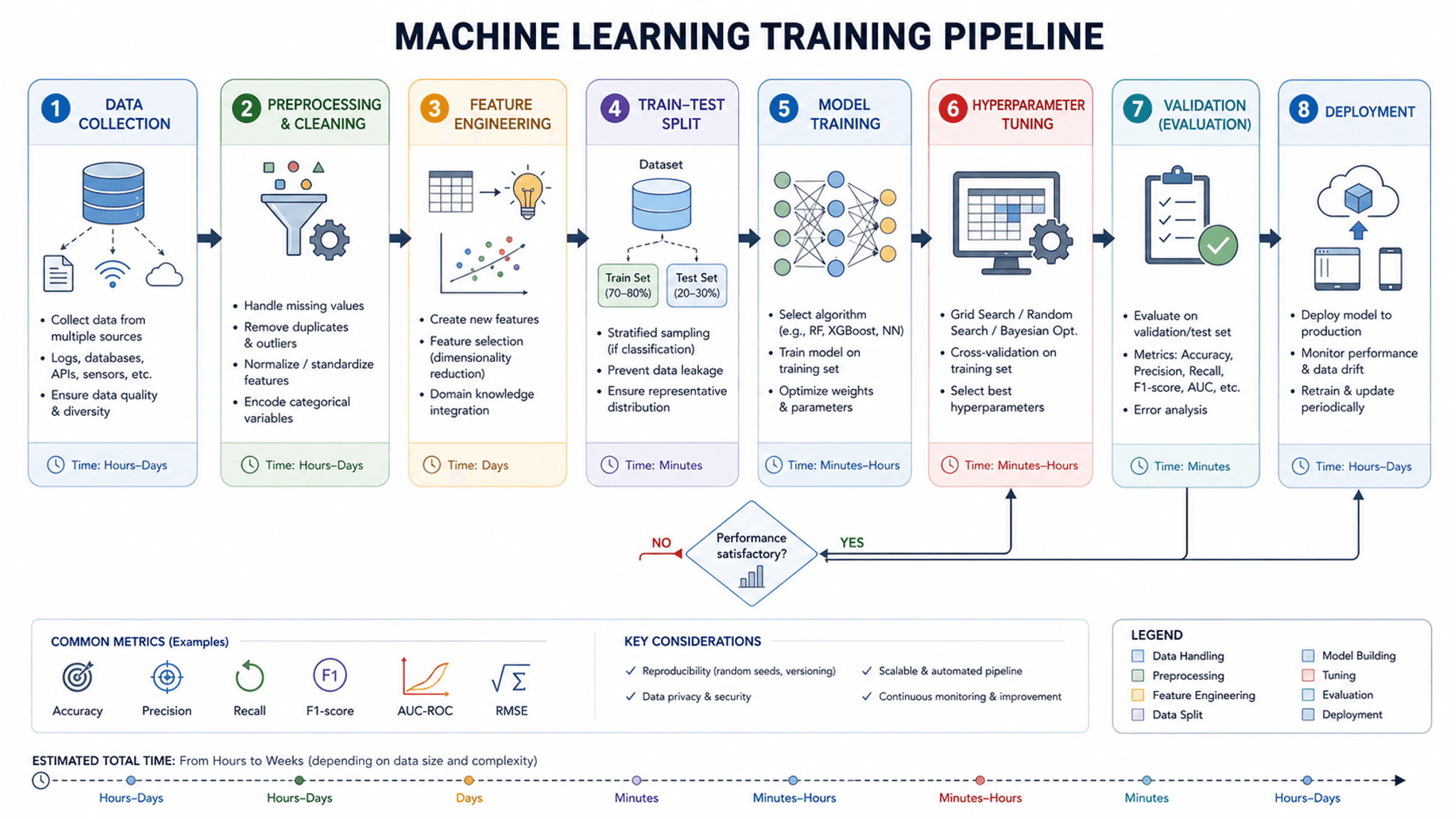
Deep Learning Execution Pipeline
(Preprocessing)
(Feature Extraction)
(Self-Attention)
(Loss Optimization)