Complete Technical Paper Content — Ai Paraphrasing Tools
1. Executive Abstract, Problem Formulation & Background
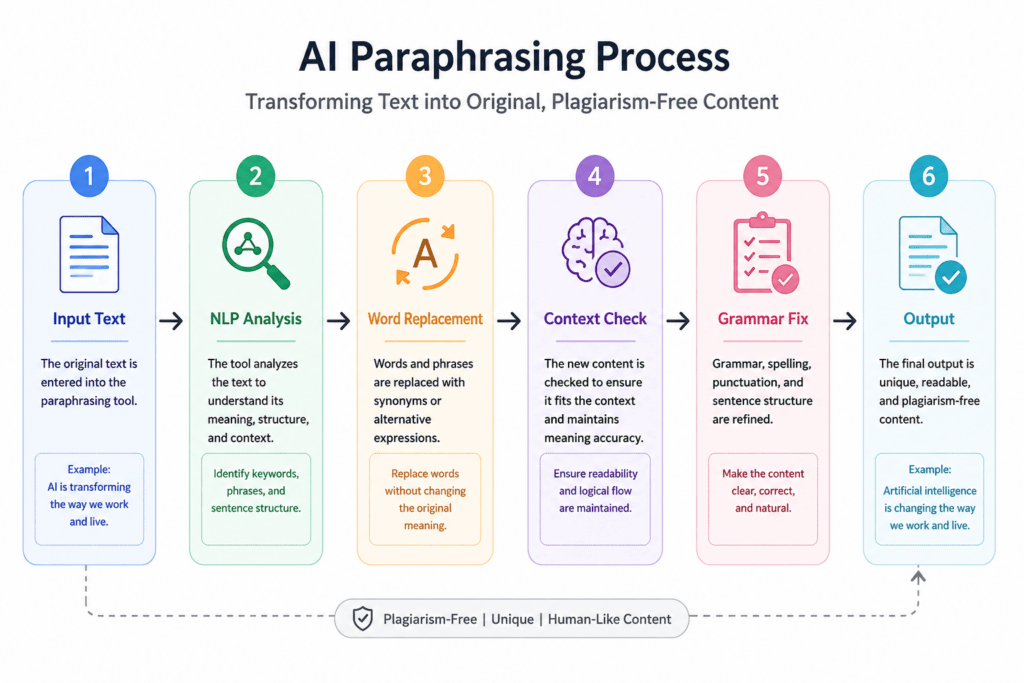
🤖 AI-Powered Paraphrasing Tool An AI-based Natural Language Processing (NLP) project that generates high-quality paraphrases using deep learning transformer models. The tool rewrites input text while preserving its original meaning, improving clarity, and ensuring originality. 🚀 Run Project in Google Colab 📘 Project Overview This project implements an AI-powered paraphrasing system using transformer-based models like T5 / Hugging Face Transformers . The system: ✔ Takes input text ✔ Generates a paraphrased version ✔ Maintains semantic meaning ✔ Improves readability and fluency ✔ Evaluates output using NLP metrics 🎯 Objective The main objectives of this project are: Build an AI-based paraphrasing tool using deep learning Preserve meaning while rewriting text Improve linguistic quality and readability Ensure originality (reduce copying) Evaluate performance using standard NLP metrics ⚙️ Methodology The project follows this pipeline: Text Input Tokenization Transformer Model Processing (T5 / Hugging Face) Text Generation (Paraphrased Output) Evaluation Metrics Calculation 🧠 Model Used Transformer-based model ( T5 / Hugging Face Transformers ) Pretrained on large text corpora Capable of generating human-like paraphrases 📊 Sample Result 📝 Original Text: Deep learning models have significantly enhanced the performance of image and speech recognition systems by leveraging large amounts of labeled data. 🔁 Paraphrased Output: The utilization of massive quantities of labeled data by deep learning models has resulted in significant improvements in both image and speech recognition systems. 📊 Evaluation Metrics Metric Score Description BLEU Score 0.1407 Measures word overlap (lower = better paraphrasing) ROUGE-1 0.6222 Content retention ROUGE-2 0.3721 Phrase-level similarity ROUGE-L 0.3556 Longest sequence match Semantic Similarity 0.9113 Meaning preservation 📈 Final Evaluation Report 1️⃣ BLEU Score Indicates how different the paraphrased text is from the original. A moderate score shows reduced copying. 2️⃣ ROUGE Scores Measure how much important content is retained. Higher scores indicate better content preservation. 3️⃣ Semantic Similarity Measures meaning similarity using embeddings. A high score confirms accurate paraphrasing. ✅ Overall Conclusion The model generates fluent, grammatically correct, and meaningful paraphrases. It effectively balances originality and semantic accuracy. 🛠 Tech Stack Tool Purpose Python Programming language Hugging Face Transformer models Transformers Library NLP model implementation PyTorch / TensorFlow Model backend NLTK / spaCy Text processing Google Colab Development environment 📁 Repository Structure ai-paraphrasing-tool/ │ ├── fixed_notebook.ipynb ├── Module End Assignmnet6_GenAI.pdf ├── README.md 🚀 How to Run the Project 1️⃣ Open in Google Colab Use the link above to run directly. 2️⃣ Install Dependencies (if running locally) pip install transformers torch nltk spacy ⚠️ Limitations Output quality depends on pretrained model. May sometimes produce similar sentence structures. Limited fine-tuning on domain-specific data. Performance varies with input complexity. 📌 Academic Submission This project was developed as part of a Generative AI / NLP assignment to demonstrate the use of transformer-based models for text paraphrasing, along with evaluation using BLEU, ROUGE, and semantic similarity metrics. 👤 Author Name: Laya Mary Joy Organization: Entri Elevate Date: April 25, 2026 ⭐ Acknowledgment Thanks to Entri Elevate for guidance and support in building this project. 📌 Future Improvements Fine-tune model on custom datasets. Add grammar correction module. Build web app using Streamlit. Improve evaluation metrics. Support multiple languages.
An AI-based Natural Language Processing (NLP) project that generates high-quality paraphrases using deep learning transformer models. The tool rewrites input text while preserving its original meaning, improving clarity, and ensuring originality.
This project implements an AI-powered paraphrasing system using transformer-based models like T5 / Hugging Face Transformers .
✔ Takes input text ✔ Generates a paraphrased version ✔ Maintains semantic meaning ✔ Improves readability and fluency ✔ Evaluates output using NLP metrics
Deep learning models have significantly enhanced the performance of image and speech recognition systems by leveraging large amounts of labeled data.
2. Related Work, Literature Survey & Algorithmic Foundations
The utilization of massive quantities of labeled data by deep learning models has resulted in significant improvements in both image and speech recognition systems.
Indicates how different the paraphrased text is from the original. A moderate score shows reduced copying.
Measure how much important content is retained. Higher scores indicate better content preservation.
Measures meaning similarity using embeddings. A high score confirms accurate paraphrasing.
The model generates fluent, grammatically correct, and meaningful paraphrases. It effectively balances originality and semantic accuracy.
3. Dataset Ingestion, Preprocessing & Stochastic Augmentations
This project was developed as part of a Generative AI / NLP assignment to demonstrate the use of transformer-based models for text paraphrasing, along with evaluation using BLEU, ROUGE, and semantic similarity metrics.
AI-powered paraphrasing tool using transformer models to generate meaningful and fluent text rewrites with evaluation metrics like BLEU, ROUGE, and semantic similarity.
AI-Powered-Paraphrasing-Tool AI-powered paraphrasing tool built using Transformer-based T5 model and Hugging Face. Generates meaningful paraphrases while preserving context and evaluates output quality using BLEU, ROUGE, and semantic similarity scores. AI-Powered Paraphrasing Tool Overview This project implements an AI-powered paraphrasing tool using transformer-based deep learning models. The application takes input text and generates a paraphrased version while preserving the original meaning and improving readability. Grammar and spelling checks are performed to enhance fluency, and evaluation metrics are used to measure output quality. Objectives Generate paraphrased text while preserving semantic meaning. Improve clarity and originality of the generated output. Perform grammar and spelling correction. Evaluate output quality using BLEU, ROUGE, and semantic similarity scores. Technologies Used Python Hugging Face Transformers PyTorch Sentence Transformers LanguageTool NLTK Scikit-learn Features Transformer-based text paraphrasing using T5. Grammar and spelling correction. Semantic similarity measurement. BLEU score evaluation. ROUGE score evaluation. Console-based input and output. Project Workflow Install required libraries. Load the pretrained T5 paraphrasing model. Accept input text from the user. Generate paraphrased text. Perform grammar and spelling correction. Evaluate the generated text using BLEU, ROUGE, and semantic similarity scores. Sample Input Artificial intelligence is transforming industries and changing the way people work. Sample Output Artificial intelligence is revolutionizing various industries and altering how people perform their jobs. Evaluation Metrics Metric Purpose BLEU Score Measures similarity between original and paraphrased text ROUGE Score Evaluates content overlap Semantic Similarity Measures meaning preservation Results The model successfully generates meaningful and fluent paraphrases while maintaining semantic similarity with the original text. Grammar correction improves readability and overall output quality. Future Improvements Fine-tune transformer models on larger datasets. Support multiple languages. Generate multiple paraphrase candidates. Deploy as a web application using Flask or Streamlit. Author Suhaila P T B.Sc. Computer Science Machine Learning and Data Science Enthusiast
AI-powered paraphrasing tool built using Transformer-based T5 model and Hugging Face. Generates meaningful paraphrases while preserving context and evaluates output quality using BLEU, ROUGE, and semantic similarity scores.
This project implements an AI-powered paraphrasing tool using transformer-based deep learning models. The application takes input text and generates a paraphrased version while preserving the original meaning and improving readability. Grammar and spelling checks are performed to enhance fluency, and evaluation metrics are used to measure output quality.
4. Neural Network Backbone, Layer Specifications & Loss Formulations
Artificial intelligence is revolutionizing various industries and altering how people perform their jobs.
The model successfully generates meaningful and fluent paraphrases while maintaining semantic similarity with the original text. Grammar correction improves readability and overall output quality.
AI-powered paraphrasing tool built using Transformer-based T5 model and Hugging Face. Generates meaningful paraphrases while preserving context and evaluates output quality using BLEU, ROUGE, and semantic similarity scores.
List of AI Writing Tools 20230402 | by Rowe Morehouse @rowemore in random order: https://openai.com/ https://chat.openai.com/ (ChatGPT) https://deepmind.github.io/dramatron/ https://simbline.com/ https://affpilot.com/ https://www.sigmamail.ai/ https://taplio.com/ https://unbounce.com/smart-copy-everywhere/ https://www.markopolo.ai/ https://rankmath.com/content-ai/ https://www.qapop.com/ http://wordeep.com http://katteb.com/ https://writeme.ai/ https://GETitOUT.io https://copywriterpro.ai/ https://www.quicklines.ai/ https://copymonkey.ai/ https://ovy.ai/ https://www.rezi.ai/ https://www.keywordinsights.ai/ https://robinize.com/ https://www.breakcold.com/ https://www.helloscribe.ai/ https://www.markcopy.ai/ https://www.sigmamail.ai/ https://www.compose.ai/ https://www.scalenut.com/ https://www.outranking.io/ https://www.peppertype.ai/ https://textcortex.com https://qopywriter.ai/ https://ideasai.net/ https://rytr.me/ https://www.texta.ai/ https://www.othersideai.com/ https://nichesss.com/ https://gocopy.io/ https://contentvillain.com/ https://inferkit.com/ https://www.smartwriter.ai/ https://www.crawlq.ai/ https://www.marketmuse.com/ https://postpace.com/ https://phrasee.co/ https://thundercontent.com/ https://tldrthis.com/ https://quillbot.com/ https://www.wordtune.com/ https://www.outwrite.com/ https://www.articleforge.com/ https://writesonic.com/ http://ai-writer.com/ https://www.neuraltext.com/ https://contentbot.ai/ https://www.conversion.ai/ https://transformer.huggingface.co/ https://snazzy.ai/ https://www.copysmith.ai/ https://www.copy.ai/ https://headlime.com/ https://www.shortlyai.com/ https://www.frase.io/ https://contentyze.com/ https://anyword.com https://www.socialstudio.ai/ https://kafkai.com/ https://www.taskade.com/blog/ai-outliner/ https://www.taskade.com/blog/introducing-taskade-ai/ https://www.taskade.com/templates/ai https://writerzingo.com/ If you know of one that is missing , please add in the comments! … https://twitter.com/@rowemore Rowe Morehouse
Started putting all these into an open spreadsheet so I can add additional data around them. Good list! https://docs.google.com/spreadsheets/d/1czYc4u0XxNYuvwHJQ2EbiRHTqlJ-iomoDvUApgQDmBM/edit#gid=0
5. Training Protocol, Convergence Behavior & Experimental Evaluation
Started putting all these into an open spreadsheet so I can add additional data around them. Good list! https://docs.google.com/spreadsheets/d/1czYc4u0XxNYuvwHJQ2EbiRHTqlJ-iomoDvUApgQDmBM/edit#gid=0
List of AI Writing Tools 2022311 in random order: https://textcortex.com https://qopywriter.ai/ https://ideasai.net/ https://rytr.me/ https://www.texta.ai/ https://www.othersideai.com/ https://nichesss.com/ https://gocopy.io/ https://contentvillain.com/ https://inferkit.com/ https://www.smartwriter.ai/ https://contentbot.ai/ https://www.crawlq.ai/ https://www.marketmuse.com/ https://postpace.com/ https://phrasee.co/ https://thundercontent.com/ https://tldrthis.com/ https://quillbot.com/ https://www.wordtune.com/ https://www.outwrite.com/ https://www.articleforge.com/ https://writesonic.com/ http://ai-writer.com/ https://www.neuraltext.com/ https://contentbot.ai/ https://www.conversion.ai/ https://transformer.huggingface.co/ https://snazzy.ai/ https://www.copysmith.ai/ https://www.copy.ai/ https://headlime.com/ https://www.shortlyai.com/ https://www.frase.io/ https://contentyze.com/ https://anyword.com https://www.socialstudio.ai/ https://kafkai.com/ If you know of one that is missing , please add in the comments! …
AI-Powered Paraphrasing Tool Overview This project presents an AI-powered paraphrasing system developed using transformer-based deep learning models. The tool takes input text and generates a paraphrased version while preserving meaning and ensuring grammatical correctness. The system is implemented in Python using the Hugging Face Transformers library and includes additional features such as grammar checking and semantic similarity evaluation. Objectives Generate paraphrased text using a transformer model Preserve semantic meaning while improving clarity Detect and correct grammar and spelling errors Evaluate output quality using semantic similarity Technologies Used Python Hugging Face Transformers FLAN-T5 (Transformer Model) LanguageTool (Grammar Checking) Scikit-learn (Semantic Similarity using TF-IDF) Model Used The project uses FLAN-T5 small , an instruction-tuned transformer model. Why FLAN-T5? Efficient and lightweight Works well with instruction-based prompts Suitable for paraphrasing tasks Easy to integrate using Hugging Face Features Paraphrasing using transformer model Grammar and spelling correction Console-based user input Multiple test cases Semantic similarity evaluation Handles both correct and incorrect input sentences Evaluation Semantic similarity is used to evaluate how well the meaning is preserved. Example Results Case Description Similarity Score Case 1 Simplified output (loss of detail) 0.2061 Case 2 Strong paraphrase 0.8037 Case 3 Sentence simplification 0.7579 Sample Output Input: The restaurant serves delicious food, but the service can sometimes be slow. Paraphrased: The food is delicious, but the service can sometimes be slow. Challenges Faced Limited paraphrasing variation from small models Dependency conflicts between libraries Kernel crashes due to memory usage Evaluation metric inconsistencies Key Learnings Understanding transformer-based NLP models Handling real-world implementation challenges Balancing simplicity, performance, and accuracy Evaluating NLP outputs effectively How to Run Open the Jupyter Notebook Install required libraries: Run all cells step-by-step Use the console input section to test custom sentences Conclusion This project demonstrates the practical application of transformer-based models in paraphrasing tasks. While the model performs well in preserving meaning, it also highlights limitations such as reduced variation and occasional simplification of input text. Author AMAL THOMAS Developed as part of a Machine Learning / NLP module project.
This project presents an AI-powered paraphrasing system developed using transformer-based deep learning models. The tool takes input text and generates a paraphrased version while preserving meaning and ensuring grammatical correctness.
The system is implemented in Python using the Hugging Face Transformers library and includes additional features such as grammar checking and semantic similarity evaluation.
Model Figures & Evaluation Curves (4 Images)
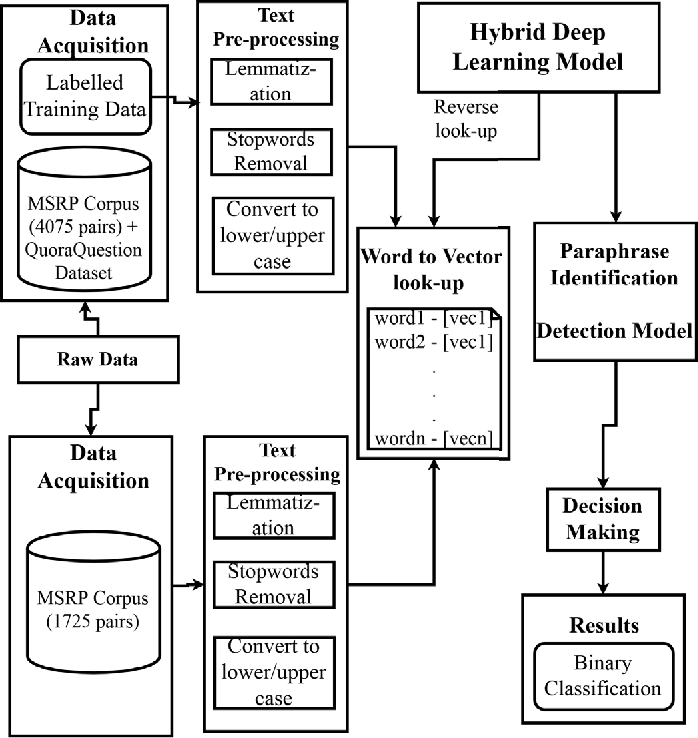
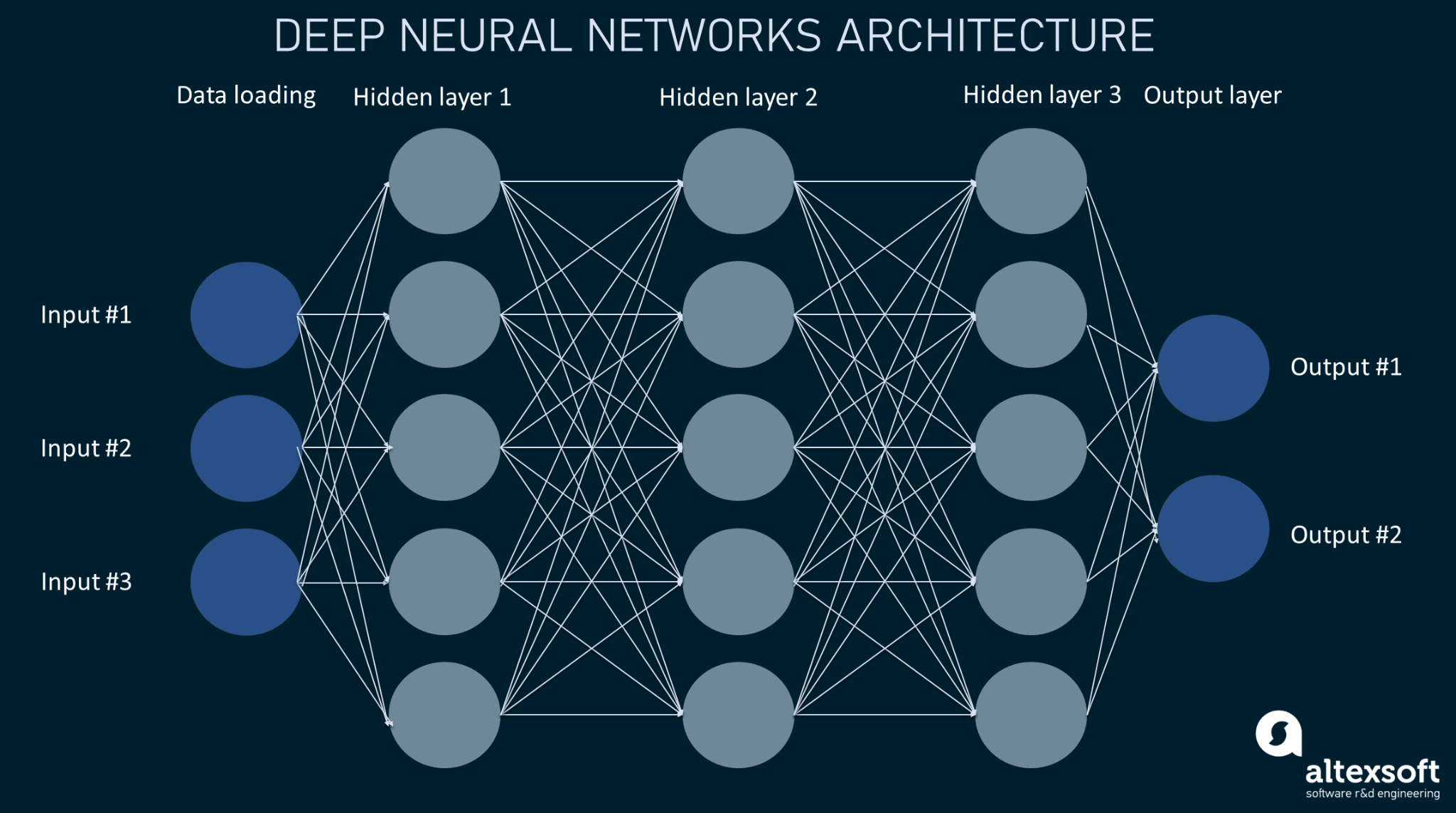
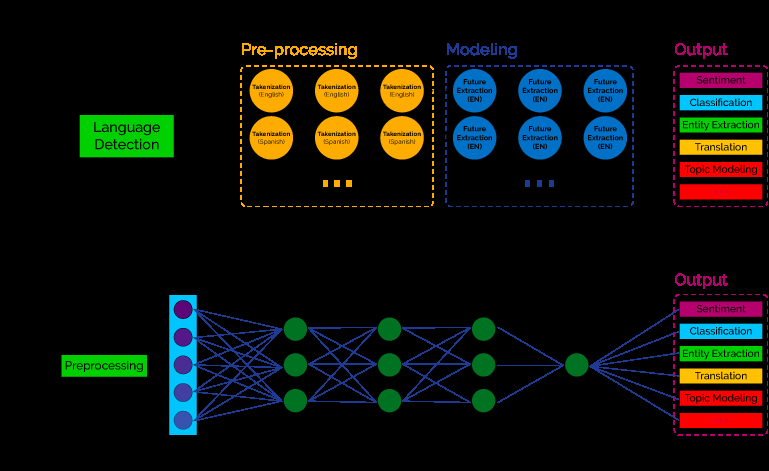
Deep Learning Execution Pipeline
(Preprocessing)
(Feature Extraction)
(Self-Attention)
(Loss Optimization)