Complete Technical Paper Content — Ai Public Transport Optimization
1. Executive Abstract, Problem Formulation & Background
🚍 RouteWise - AI Transport Optimization System An intelligent Public Transport Analytics & Optimization System built using Machine Learning + Interactive Streamlit Dashboard to reduce overcrowding, improve scheduling, and enable smarter urban mobility decisions. 🌐 Live Demo 👉 Try the Live Project: https://routewise---ai-transport-optimization-system-yssewfosdumjt9kfg.streamlit.app/ 📂 GitHub Repository 👉 View Source Code: https://github.com/shreya975/RouteWise---AI-Transport-Optimization-System 📌 Problem Statement Traditional public transport systems operate on fixed routes and schedules , while real-world passenger demand changes continuously. This creates issues such as: 🚨 Overcrowded buses during peak hours 🚌 Underutilized buses during off-peak hours ⏳ Delays and poor commuter experience ⛽ Fuel and resource wastage RouteWise solves this using AI-powered demand prediction and smart optimization. 🔥 Core Features 📊 Passenger Demand Prediction using Machine Learning 🚦 Traffic-Aware Decision System 🧠 Smart Service Recommendations 🗺️ Interactive Route Map Visualization 🔮 What-If Simulation (Add Extra Buses) 📈 Demand Heatmaps & Trend Analysis ⚠️ Overcrowding Detection 🔄 Alternative Route Suggestions 📋 Route Comparison Dashboard 🧠 System Intelligence The system automatically suggests actions such as: ➕ Add Extra Buses 🔁 Reroute Vehicles ⏱ Increase Service Frequency 🛑 Reduce Frequency During Low Demand ✅ Continue Normal Operation 📌 Decisions are based on: Passenger Load Traffic Conditions Delay Time Peak Hours Route Demand Patterns ⚙️ How It Works Collect transport and demand-related data Process data and create smart features Use Random Forest ML Model for demand prediction Analyze crowd level and route efficiency Generate recommendations instantly Display outputs through dashboard visualizations 📂 Dataset Features Route & Stop Data GPS Coordinates (Latitude / Longitude) Passenger Demand Count Traffic Levels Delay & Speed Data Bus Load Factor Bus Count Travel Distance & Time Peak Hour Indicators AI Recommendation Fields 🛠️ Tech Stack Python 🐍 Streamlit 🌐 Scikit-learn 🤖 Pandas 📊 NumPy 🔢 Plotly 📈 Folium 🗺️ ▶️ Run Locally git clone https://github.com/shreya975/RouteWise---AI-Transport-Optimization-System.git cd RouteWise---AI-Transport-Optimization-System pip install -r requirements.txt python -m streamlit run app.py 📸 Dashboard Preview 💡 Future Improvements 🚦 Live Traffic API Integration 📍 Real-time Bus GPS Tracking 🌦️ Weather-Based Demand Prediction 📱 Passenger Mobile App 🎫 Smart Ticketing Integration 🏙️ Government Smart City Deployment 🚇 Multi-Modal Transport Sync (Bus + Metro) 🤖 Deep Learning Based Demand Forecasting 📊 Advanced Admin Analytics Dashboard ❤️ Final Thought RouteWise doesn’t just move people — it moves cities intelligently.
An intelligent Public Transport Analytics & Optimization System built using Machine Learning + Interactive Streamlit Dashboard to reduce overcrowding, improve scheduling, and enable smarter urban mobility decisions.
👉 Try the Live Project: https://routewise---ai-transport-optimization-system-yssewfosdumjt9kfg.streamlit.app/
👉 View Source Code: https://github.com/shreya975/RouteWise---AI-Transport-Optimization-System
Traditional public transport systems operate on fixed routes and schedules , while real-world passenger demand changes continuously.
git clone https://github.com/shreya975/RouteWise---AI-Transport-Optimization-System.git cd RouteWise---AI-Transport-Optimization-System pip install -r requirements.txt python -m streamlit run app.py
🚀 Smart Transit AI Platform AI-Powered Urban Mobility Intelligence Platform for Smart Cities, Transit Operators, Corporate Fleets, and Public Transportation Systems. React Node Python PostgreSQL PostGIS Docker AWS 🌍 Vision Smart Transit AI is an Urban Mobility Intelligence Platform designed to optimize public transportation systems using: Geospatial Intelligence (GIS) AI & Machine Learning Route Optimization Algorithms Real-Time Transit Analytics GTFS Integration Smart City Data Pipelines The goal is to help transportation authorities, fleet operators, and smart cities improve efficiency, reduce congestion, and provide better passenger experiences. 🎯 Business Use Cases Public Transportation Bus route optimization Metro connectivity analysis Passenger demand forecasting Route efficiency monitoring Corporate Mobility Employee shuttle optimization Route scheduling Occupancy monitoring School Transportation Safe route planning Pickup/drop optimization Attendance-linked routing Smart Cities Traffic-aware routing Mobility analytics Environmental impact monitoring Transit accessibility analysis ✨ Core Features 🗺️ GIS Engine Interactive Map Visualization GeoJSON Support Spatial Queries Geofencing Route Mapping Nearby Stop Detection OSM Integration GTFS Data Processing 🚍 Transit Routing Engine Algorithms Dijkstra Shortest Path A* Pathfinding Route Graph Builder Multi-Hop Transit Routing Capabilities: Fastest Route Shortest Route Least Transfer Route Future Traffic-Aware Routing 🤖 AI & Machine Learning Demand Forecasting Predict: Passenger Volume Peak Hour Demand Route Load Distribution Delay Prediction Predict: Route Delays Congestion Impact Service Reliability Crowd Intelligence Classify: Low Occupancy Medium Occupancy High Occupancy Future: Reinforcement Learning Route Optimization Dynamic Scheduling Autonomous Fleet Planning 📊 Analytics Dashboard Monitor: Active Routes Passenger Demand Route Performance Fleet Utilization Delay Trends GIS Insights 🏗️ System Architecture text Passengers / Operators │ ▼ ┌──────────────────┐ │ Web Applications │ └────────┬─────────┘ │ ▼ ┌──────────────────┐ │ Nginx │ │ Reverse Proxy │ └────────┬─────────┘ │ ┌────────┼──────────┐ ▼ ▼ ▼ Routing GIS ML Engine Engine Engine ▼ ▼ ▼ PostgreSQL + PostGIS │ ▼ Redis │ ▼ AWS Cloud 🧩 Technology Stack Frontend React TypeScript Vite Tailwind CSS Mapbox GL React Query Backend Node.js Express.js REST APIs Database PostgreSQL PostGIS AI / ML Python FastAPI Scikit-learn Pandas NumPy GIS GeoJSON OpenStreetMap GTFS PostGIS Infrastructure Docker Docker Compose Nginx PM2 AWS EC2 📂 Project Structure bash smart-transit-ai/ │ ├── apps/ │ ├── web-client/ │ ├── admin-dashboard/ │ ├── api-server/ │ └── ml-service/ │ ├── services/ │ ├── routing-engine/ │ ├── gis-engine/ │ ├── prediction-engine/ │ └── analytics-engine/ │ ├── data-platform/ │ ├── gtfs-ingestion/ │ ├── osm-ingestion/ │ └── analytics-pipeline/ │ ├── infra/ │ ├── docker/ │ ├── nginx/ │ └── aws/ │ ├── docs/ │ ├── architecture/ │ ├── api/ │ ├── business/ │ └── pitch/ │ └── scripts/ 📡 Core APIs Stops http GET /api/stops GET /api/stops/:id POST /api/stops PUT /api/stops/:id DELETE /api/stops/:id Routes http GET /api/routes GET /api/routes/:id POST /api/routes Routing http GET /api/routing/shortest-path GET /api/routing/astar GET /api/routing/graph-info GIS http GET /api/gis/stops.geojson GET /api/gis/routes.geojson GET /api/gis/nearby-stops GET /api/gis/map-data Analytics http GET /api/analytics/demand GET /api/analytics/delays GET /api/analytics/performance 🚀 Deployment Local Development bash git clone cd smart-transit-ai docker-compose up --build Production Infrastructure: AWS EC2 Nginx Docker PM2 PostgreSQL PostGIS 🛣️ Product Roadmap Phase 1 Route Optimization Engine GIS Visualization GTFS Integration Phase 2 AI Predictions Analytics Dashboard Multi-City Support Phase 3 Real-Time Bus Tracking Redis Caching WebSocket Infrastructure Phase 4 Mobile Application Transit Marketplace Smart City Integrations Phase 5 Autonomous Transit Intelligence Reinforcement Learning Predictive Network Planning 🎯 Long-Term Goal Build a scalable mobility intelligence platform that enables cities and transportation agencies to make data-driven decisions using geospatial analytics, machine learning, and real-time transit intelligence. Built with ❤️ for Smart Cities and Sustainable Urban Mobili
AI-Powered Urban Mobility Intelligence Platform for Smart Cities, Transit Operators, Corporate Fleets, and Public Transportation Systems.
Smart Transit AI is an Urban Mobility Intelligence Platform designed to optimize public transportation systems using:
2. Related Work, Literature Survey & Algorithmic Foundations
The goal is to help transportation authorities, fleet operators, and smart cities improve efficiency, reduce congestion, and provide better passenger experiences.
text Passengers / Operators │ ▼ ┌──────────────────┐ │ Web Applications │ └────────┬─────────┘ │ ▼ ┌──────────────────┐ │ Nginx │ │ Reverse Proxy │ └────────┬─────────┘ │ ┌────────┼──────────┐ ▼ ▼ ▼ Routing GIS ML Engine Engine Engine ▼ ▼ ▼ PostgreSQL + PostGIS │ ▼ Redis │ ▼ AWS Cloud
bash smart-transit-ai/ │ ├── apps/ │ ├── web-client/ │ ├── admin-dashboard/ │ ├── api-server/ │ └── ml-service/ │ ├── services/ │ ├── routing-engine/ │ ├── gis-engine/ │ ├── prediction-engine/ │ └── analytics-engine/ │ ├── data-platform/ │ ├── gtfs-ingestion/ │ ├── osm-ingestion/ │ └── analytics-pipeline/ │ ├── infra/ │ ├── docker/ │ ├── nginx/ │ └── aws/ │ ├── docs/ │ ├── architecture/ │ ├── api/ │ ├── business/ │ └── pitch/ │ └── scripts/
http GET /api/stops GET /api/stops/:id POST /api/stops PUT /api/stops/:id DELETE /api/stops/:id
http GET /api/routing/shortest-path GET /api/routing/astar GET /api/routing/graph-info
http GET /api/gis/stops.geojson GET /api/gis/routes.geojson GET /api/gis/nearby-stops GET /api/gis/map-data
http GET /api/analytics/demand GET /api/analytics/delays GET /api/analytics/performance
Build a scalable mobility intelligence platform that enables cities and transportation agencies to make data-driven decisions using geospatial analytics, machine learning, and real-time transit intelligence.
A GIS-driven urban mobility system that combines route optimization, geospatial intelligence, GTFS ingestion, and predictive analytics to help cities and transit operators improve efficiency, reduce congestion, and make data-driven transportation decisions.
3. Dataset Ingestion, Preprocessing & Stochastic Augmentations
Actua como un radiologista y revisa la seguintes radiografias para mi: [ paciente de 6 años con crisis bronquiales repetitivas, con presencia de sibilancia desde hace 24h. Optimizalo para hacerlo lo mejor y haz las preguntas que consideres necesarias antes de proceder]
Act as a radiologist and review the following x-rays for me: [6-year-old patient with repetitive bronchial attacks, wheezing for 24 hours. Optimize it to do the best and ask any questions you feel necessary before proceeding]
Act as a radiologist and review the following x-rays for me: [6-year-old patient with repetitive bronchial attacks, wheezing for 24 hours. Optimize it to do the best and ask any questions you feel necessary before proceeding]
Act as a radiologist and review the following x-rays for me: [6-year-old patient with repetitive bronchial attacks, wheezing for 24 hours. Optimize it to do the best and ask any questions you feel necessary before proceeding]
Installation of Intel OneAPI Toolkit To optimize our project using Intel hardware, we installed the Intel oneAPI AI Tools as follows: Downloaded Intel AI Tools : We downloaded and installed Intel AI Tools for full hardware optimization. wget https://registrationcenter-download.intel.com/akdlm/IRC_NAS/f27e9e0e-ec27-4024-a4bf-b30c48c99564/l_AITools.2024.2.0.156.sh sh l_AITools.2024.2.0.156.sh Set Up Conda Environments : We created isolated environments for different phases of the project: conda create -n modin intelpython3_core conda activate modin conda create -n pytorch-gpu intelpython3_core conda activate pytorch-gpu Installed Dependencies : Using a requirements.txt file, we ensured that all necessary dependencies were installed: pip install -r requirements.txt Running the Project Follow the steps below in the specified order to run the project: Preprocess the Data This script cleans and preprocesses the dataset. Ensure your data files are correctly placed and adjust file paths as needed. Command: python preprocess_data.py Feature Extraction This script extracts relevant features from the cleaned data for model training. Command: python feature_extraction.py Train the Model This script trains the AI model using the preprocessed features and saves the trained model for future predictions. Command: python orion_butterfly.py Make Predictions This script loads the trained model and contains the function to make predictions based on new input data. Command: This file is indirectly run via the Streamlit application in the next step. Run the Streamlit Application This is the main application where users can input data for predictions and visualize results through interactive graphs. Command: streamlit run app.py Exploratory Data Analysis This script generates various visualizations using Plotly based on the dataset. The visualizations will be displayed in the Streamlit application when running app.py . Prototype Details Our AI-driven system leverages large-scale transportation datasets integrated with advanced deep learning models to forecast and optimize transit schedules and routes. By employing real-time demand forecasting, the system dynamically adapts to fluctuating user needs, effectively minimizing fuel consumption and carbon emissions while enhancing user convenience. For seamless integration, we will utilize API pulls alongside Streamlit to create an intuitive and interactive user interface, enabling real-time insights and efficient data interaction. Utility Summary Through this project, we achieved: Optimized transportation routes and schedules Reduced fuel consumption and minimized carbon emissions Real-time predictions using an AI model deployed via Flask Efficient use of Intel-optimized tools to accelerate model training and deployment The project demonstrates how AI can be applied to public transportation to enhance environmental sustainability and operational efficiency.
To optimize our project using Intel hardware, we installed the Intel oneAPI AI Tools as follows:
Downloaded Intel AI Tools : We downloaded and installed Intel AI Tools for full hardware optimization.
wget https://registrationcenter-download.intel.com/akdlm/IRC_NAS/f27e9e0e-ec27-4024-a4bf-b30c48c99564/l_AITools.2024.2.0.156.sh sh l_AITools.2024.2.0.156.sh
Set Up Conda Environments : We created isolated environments for different phases of the project:
4. Neural Network Backbone, Layer Specifications & Loss Formulations
Installed Dependencies : Using a requirements.txt file, we ensured that all necessary dependencies were installed:
Preprocess the Data This script cleans and preprocesses the dataset. Ensure your data files are correctly placed and adjust file paths as needed. Command:
Feature Extraction This script extracts relevant features from the cleaned data for model training. Command:
Train the Model This script trains the AI model using the preprocessed features and saves the trained model for future predictions. Command:
Make Predictions This script loads the trained model and contains the function to make predictions based on new input data. Command: This file is indirectly run via the Streamlit application in the next step.
Run the Streamlit Application This is the main application where users can input data for predictions and visualize results through interactive graphs. Command:
Exploratory Data Analysis This script generates various visualizations using Plotly based on the dataset. The visualizations will be displayed in the Streamlit application when running app.py .
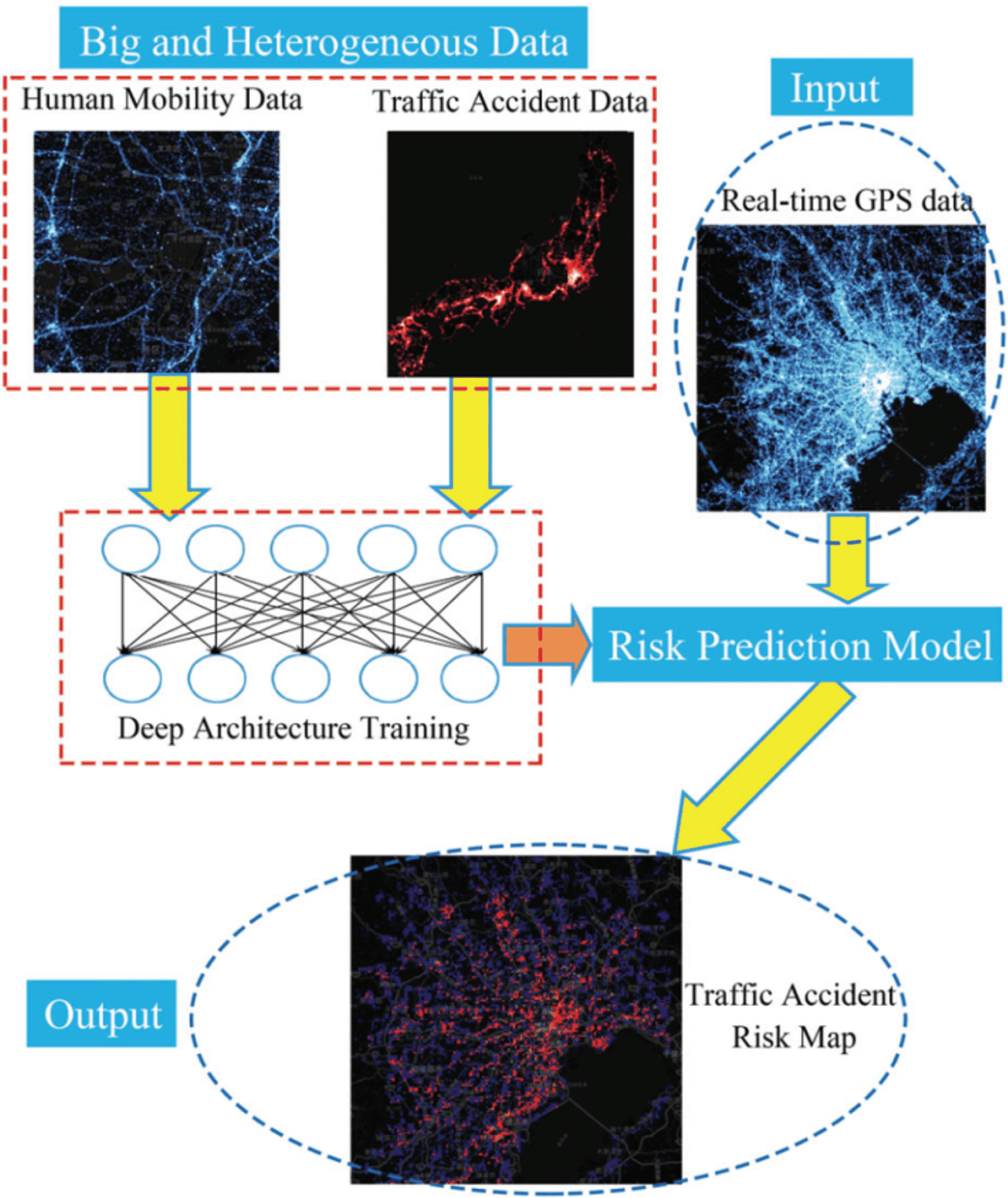
Our AI-driven system leverages large-scale transportation datasets integrated with advanced deep learning models to forecast and optimize transit schedules and routes. By employing real-time demand forecasting, the system dynamically adapts to fluctuating user needs, effectively minimizing fuel consumption and carbon emissions while enhancing user convenience.
For seamless integration, we will utilize API pulls alongside Streamlit to create an intuitive and interactive user interface, enabling real-time insights and efficient data interaction.
5. Training Protocol, Convergence Behavior & Experimental Evaluation
The project demonstrates how AI can be applied to public transportation to enhance environmental sustainability and operational efficiency.
Develop an AI-based system to optimize public transportation schedules and routes to reduce fuel consumption and minimize carbon emissions, while ensuring maximum convenience for city residents.
Urban Public Transport Optimization Using Artificial Intelligence This repository contains an in-depth exploration of the application of artificial intelligence (AI) in optimizing urban public transportation. The goal is to provide insights into how AI can improve the efficiency, accessibility, and sustainability of public transportation systems in urban areas. Contents Background Problems Addressed How is it Used? Data Sources and AI Methods In-depth on the Use of AI in Urban Public Transport Optimization Challenges Future Developments Background Urban public transportation faces significant challenges such as traffic congestion, delays, and resource allocation inefficiencies. Urban areas around the world grapple with the intricate puzzle of managing public transportation systems. The complex interplay of factors such as population density, infrastructure limitations, and evolving commuter behaviors poses formidable challenges to efficient and sustainable urban mobility. Traditional approaches to transportation planning and management often struggle to keep pace with the dynamic nature of urban environments, leading to chronic issues like traffic congestion, unreliable service, and resource inefficiencies. Urban public transportation is the lifeblood of cities, providing vital connectivity for residents and facilitating economic activity. However, the strain on transportation networks continues to grow as urban populations swell, leading to increased pressure on existing infrastructure and exacerbating the negative externalities associated with urban mobility, such as pollution and carbon emissions. Problems Addressed As urban populations burgeon and cities expand, the challenges confronting public transportation systems become more acute. These challenges demand innovative solutions that can adapt to the ever-changing urban landscape and address the multifaceted issues plaguing urban mobility. In this context, it is imperative to identify and address key problems affecting urban public transportation to pave the way for more efficient, accessible, and sustainable mobility solutions. Significant examples can be: Traffic Congestion : Urban areas experience high levels of traffic congestion due to the sheer volume of vehicles on the roads. This congestion not only leads to longer travel times but also increases pollution levels and carbon emissions, contributing to environmental degradation and public health concerns. Delays in Public Transportation Services : Public transportation services, such as buses and trains, often suffer from delays, leading to inconvenience for passengers and reduced reliability of the transportation system. Delays can result from various factors, including traffic congestion, mechanical failures, and inadequate scheduling. Inefficiencies in Resource Allocation : Public transportation systems frequently struggle with inefficient allocation of resources, such as vehicles and personnel. Suboptimal routes, underutilized vehicles, and inadequate staffing can lead to increased operational costs and decreased service quality. Accessibility and Equity : Access to public transportation services is essential for ensuring mobility and economic opportunities for all members of society. However, disparities in access, such as limited service coverage in certain areas or inadequate accommodations for individuals with disabilities, can exacerbate social inequalities and hinder inclusive urban development. How is it used? Innovations in artificial intelligence (AI) are revolutionizing the way urban public transportation systems are managed and optimized. By harnessing the power of AI algorithms and real-time data analysis, transport operators can make more informed decisions, enhance service quality, and improve overall efficiency. Here are some key ways AI is utilized in urban public transportation optimization: Optimal Route Planning : AI algorithms analyze vast amounts of historical traffic data and real-time information to identify the most efficient routes for public transportation vehicles. By considering factors such as traffic congestion, passenger demand, and road conditions, AI-powered route planning systems can minimize travel times and improve service reliability. Fleet Management : AI continuously monitors the location and status of public transportation vehicles, allowing operators to optimize fleet distribution and reduce waiting times. By dynamically adjusting vehicle schedules based on passenger demand and traffic patterns, AI helps ensure that resources are allocated efficiently and services are delivered promptly. Dynamic Adaptation : AI algorithms can dynamically adapt vehicle schedules and routes in response to sudden changes in traffic conditions or passenger demand. By leveraging real-time data and predictive analytics, transport operators can respond quickly to disruptions, such as accidents or road closures, and minimize the impact on service quality. Personalized Services : AI-based recommendation systems personalize the passenger experience by suggesting alternative routes, transportation options, and schedules based on individual preferences and current traffic conditions. By tailoring services to the needs of individual passengers, transport operators can enhance customer satisfaction and loyalty. Predictive Maintenance : AI-enabled predictive maintenance systems monitor the status of public transportation vehicles and predict potential failures or mechanical issues before they occur. By proactively addressing maintenance issues, transport operators can minimize downtime, improve vehicle reliability, and reduce operational costs. Overall, the integration of AI technologies into urban public transportation systems holds immense potential to transform the way cities move. By optimizing route planning, enhancing fleet management, and providing personalized services, AI can help create more efficient, accessible, and sustainable transportation networks for urban residents and commuters. Data Sources and AI Methods In the realm of urban public transport optimization, artificial intelligence relies on a range of technologies and algorithms to enhance the efficiency and quality of transport services. Some of these technologies include: Neural Networks : Neural networks are employed to analyze large amounts of traffic data and predict traffic congestion patterns and passenger demand. These forecasts enable operators to plan optimal routes and reduce travel times. Optimization Algorithms : Optimization algorithms, such as genetic algorithms and adaptive search algorithms, are used to find optimal solutions for fleet management and route planning. These algorithms consider multiple variables, such as vehicle availability, passenger preferences, and traffic conditions, to maximize the overall efficiency of the public transport system. Supervised and Unsupervised Machine Learning : Machine learning is utilized to analyze historical data and identify hidden patterns and trends in passenger behavior and road traffic. This information is then used to optimize planning and management strategies for public transportation. Recommendation Systems : AI-based recommendation systems are used to personalize the passenger experience by suggesting alternative routes, transportation options, and schedules based on individual preferences and current traffic conditions. Practical applications of AI in urban public transport optimization may include: Dynamic Route Planning : Using real-time data on traffic flows and passenger demand, transport operators can dynamically update vehicle routes to avoid traffic congestion and minimize travel times. Wait Time Management : By employing passenger demand prediction algorithms, it is possible to optimize vehicle schedules to reduce waiting times at stops and improve the accessibility of public transportation. Congestion Reduction : By identifying critical points of traffic congestion and planning alternative routes for public transportation vehicles, it is possible to reduce congestion and improve the flow of urban traffic. Monitoring and Predictive Maintenance : Through the use of IoT sensors and machine learning algorithms, it is possible to monitor the status of public transportation vehicles and predict failures or mechanical issues before they occur, enabling preventive maintenance interventions and reducing vehicle downtime. Challenges Despite the promising potential of artificial intelligence (AI) in optimizing urban public transportation, several challenges must be addressed to ensure successful implementation and widespread adoption: Data Privacy : Collecting and analyzing large amounts of data from various sources, including passenger information and real-time traffic data, raises concerns about privacy and data security. Ensuring robust data protection measures and compliance with regulations is essential to maintain public trust and confidence in AI-powered transportation systems. Public Acceptance : Educating the public about the benefits of AI in public transportation and addressing concerns about transparency and accountability is crucial for gaining acceptance and support. Engaging with stakeholders and involving the community in decision-making processes can help build trust and promote acceptance of AI-driven solutions. System Integration : Integrating AI systems with existing infrastructure and public transportation policies presents technical and logistical challenges. Compatibility issues, interoperability constraints, and legacy systems may hinder seamless integration, requiring careful planning and coordination among stakeholders. Equity and Accessibility : Ensuring equitable access to AI-powered transportation services and addressing potential biases in algorithms is essential to prevent disparities and promote social inclusion. Designing AI systems with accessibility features and incorporating feedback from diverse user groups can help create more inclusive and accessible transportation solutions. Ethical Considerations : Ethical considerations, such as fairness, transparency, and accountability, must be prioritized in the development and deployment of AI in public transportation. Addressing issues related to algorithmic bias, decision explainability, and responsible use of data is essential to uphold ethical standards and prevent unintended consequences. Future Developments The future of urban public transportation optimization using AI holds significant promise for driving innovation and enhancing mobility in cities. Some anticipated developments include: Advanced Traffic Forecasting : Continued advancements in AI algorithms and data analytics will enable more accurate and timely traffic forecasts, allowing transport operators to better anticipate and respond to changing traffic conditions. Personalized Services : AI-driven recommendation systems will become increasingly sophisticated, providing passengers with personalized route suggestions, transportation options, and travel experiences tailored to their preferences and needs. Autonomous and Automated Systems : The development of autonomous and fully automated public transportation systems will revolutionize urban mobility, offering safer, more efficient, and cost-effective transportation solutions. Integration with Smart Cities : AI-powered transportation systems will be seamlessly integrated with other smart city initiatives, such as smart infrastructure, IoT sensors, and mobility-as-a-service (MaaS) platforms, to create holistic and interconnected urban ecosystems. Sustainability and Environmental Impact : AI will play a crucial role in promoting sustainable transportation practices and reducing the environmental impact of urban mobility. By optimizing routes, reducing congestion, and encouraging modal shifts towards greener modes of transport, AI can contribute to building more sustainable and eco-friendly cities. Overall, the ongoing advancements in AI technology and their integration into urban public transportation systems offer exciting opportunities to address current challenges, improve service quality, and shape the future of urban mobility. By embracing innovation and collaboration, cities can harness the full potential of AI to create more livable, accessible, and sustainable urban environments for all residents. Conclusion The integration of artificial intelligence (AI) into urban public transportation represents a transformative opportunity to address longstanding challenges and create more efficient, accessible, and sustainable mobility solutions for cities worldwide. By leveraging AI algorithms and real-time data analysis, urban transport systems can optimize route planning, enhance service reliability, and improve overall efficiency, ultimately enhancing the quality of life for residents and commuters. However, the successful implementation of AI in urban transportation requires careful consideration of technological, ethical, and economic factors. Challenges such as data privacy, public acceptance, and system integration must be addressed to ensure that AI deployment is guided by principles of fairness, transparency, and accountability. By prioritizing equity, accessibility, and sustainability, cities can harness the full potential of AI to create transportation systems that serve the needs of all members of society. Looking ahead, the future of urban public transportation optimization using AI is promising. Anticipated developments such as advanced traffic forecasting, personalized services, and autonomous systems offer exciting opportunities to further enhance mobility and reshape urban landscapes. By embracing innovation, collaboration, and responsible governance, cities can pave the way for a more connected, efficient, and inclusive urban future. In conclusion, the use of artificial intelligence in urban public transport optimization offers a pathway towards building smarter, greener, and more livable cities. By harnessing the power of AI to overcome current challenges and shape future developments, cities can create transportation systems that meet the needs of a rapidly evolving urban environment while promoting sustainability, equity, and social inclusion.
This repository contains an in-depth exploration of the application of artificial intelligence (AI) in optimizing urban public transportation. The goal is to provide insights into how AI can improve the efficiency, accessibility, and sustainability of public transportation systems in urban areas.
Urban public transportation faces significant challenges such as traffic congestion, delays, and resource allocation inefficiencies. Urban areas around the world grapple with the intricate puzzle of managing public transportation systems. The complex interplay of factors such as population density, infrastructure limitations, and evolving commuter behaviors poses formidable challenges to efficient and sustainable urban mobility. Traditional approaches to transportation planning and management often struggle to keep pace with the dynamic nature of urban environments, leading to chronic issues like traffic congestion, unreliable service, and resource inefficiencies. Urban public transportation is the lifeblood of cities, providing vital connectivity for residents and facilitating economic activity. However, the strain on transportation networks continues to grow as urban populations swell, leading to increased pressure on existing infrastructure and exacerbating the negative externalities associated with urban mobility, such as pollution and carbon emissions.
As urban populations burgeon and cities expand, the challenges confronting public transportation systems become more acute. These challenges demand innovative solutions that can adapt to the ever-changing urban landscape and address the multifaceted issues plaguing urban mobility. In this context, it is imperative to identify and address key problems affecting urban public transportation to pave the way for more efficient, accessible, and sustainable mobility solutions. Significant examples can be:
Innovations in artificial intelligence (AI) are revolutionizing the way urban public transportation systems are managed and optimized. By harnessing the power of AI algorithms and real-time data analysis, transport operators can make more informed decisions, enhance service quality, and improve overall efficiency. Here are some key ways AI is utilized in urban public transportation optimization:
In the realm of urban public transport optimization, artificial intelligence relies on a range of technologies and algorithms to enhance the efficiency and quality of transport services. Some of these technologies include:
Despite the promising potential of artificial intelligence (AI) in optimizing urban public transportation, several challenges must be addressed to ensure successful implementation and widespread adoption:
Model Figures & Evaluation Curves (4 Images)
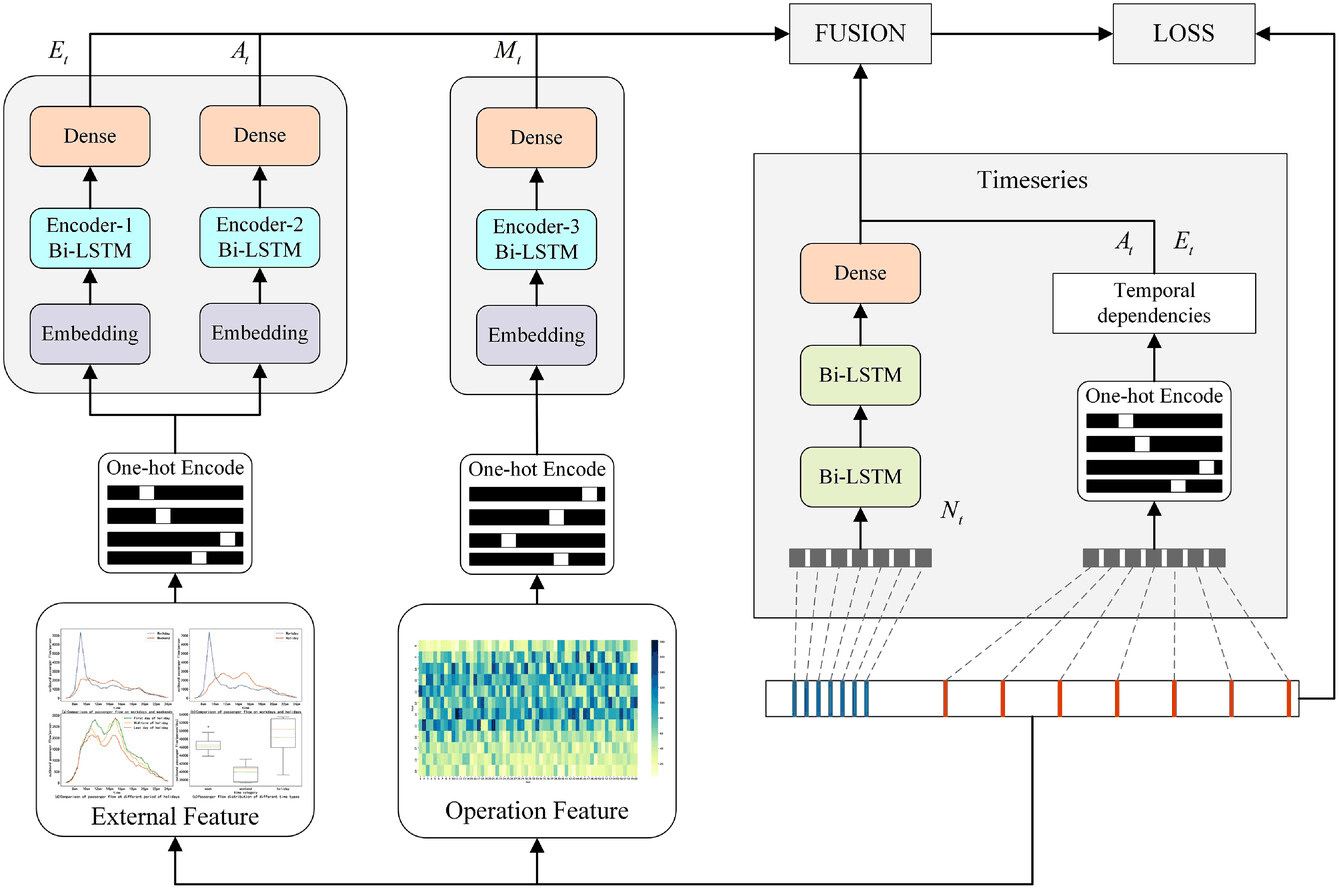
Deep Learning Execution Pipeline
(Preprocessing)
(Feature Extraction)
(Self-Attention)
(Loss Optimization)