Complete Technical Paper Content — Ai Skill Gap Analysis
1. Executive Abstract, Problem Formulation & Background
Skill Gap Analyzer A comprehensive AI-powered platform for career development and skill optimization built with Next.js, React, and shadcn/ui. Features 🎯 Core Functionality Skill Assessment : Interactive self-assessment with visual feedback Gap Analysis : AI-powered identification of skill gaps vs market demands Learning Paths : Personalized roadmaps with curated resources Market Insights : Real-time skill demand and salary impact analysis AI Prompt Helper : Pre-built prompts for AI assistants to get personalized career advice 🎨 Design System Built with shadcn/ui and Radix UI primitives Fully responsive design with Tailwind CSS Dark/light mode support Accessible components following WCAG guidelines 🧠 AI Components Skill Extraction : Parse resumes and profiles to identify skills Demand Prediction : Market trend analysis and forecasting Learning Path Generation : AI-curated educational content Assessment Intelligence : Adaptive questioning system Recommendation Engine : Personalized career guidance Tech Stack Frontend : Next.js 14, React 18, TypeScript UI Components : shadcn/ui, Radix UI Styling : Tailwind CSS Charts : Recharts Icons : Lucide React Getting Started Prerequisites Node.js 18+ npm or yarn Installation Clone the repository git clone < repository-url > cd skill-gap-analyzer Install dependencies npm install Run the development server npm run dev Open http://localhost:3000 in your browser Project Structure ├── app/ # Next.js app directory │ ├── globals.css # Global styles │ └── page.tsx # Main application page ├── components/ # React components │ ├── ai/ # AI-related components │ ├── assessment/ # Skill assessment components │ ├── dashboard/ # Dashboard components │ ├── learning/ # Learning path components │ └── ui/ # Reusable UI components ├── lib/ # Utility functions and types │ ├── mock-data.ts # Sample data for development │ ├── types.ts # TypeScript type definitions │ └── utils.ts # Helper functions └── tailwind.config.js # Tailwind configuration Key Components Dashboard Overview Cards : High-level metrics and progress indicators Skills Overview : Detailed skill analysis with gap visualization Assessment Skill Assessment : Interactive sliders for self-evaluation Adaptive Questioning : Smart assessment system (planned) Learning Paths Personalized Roadmaps : AI-generated learning sequences Resource Curation : Courses, books, projects, and certifications Progress Tracking : Milestone-based learning progression AI Helper Prompt Templates : Pre-built prompts for career guidance Customization : Editable templates for specific situations Integration Ready : Copy-paste prompts for ChatGPT, Claude, etc. Data Models Core Types Skill : Individual skill with proficiency levels and market data LearningPath : Structured learning sequences with resources Assessment : Skill evaluation with questions and scoring UserProfile : User data including goals and progress MarketInsight : Real-time market demand and trend data AI Integration Strategy Phase 1: Prompt Engineering Pre-built prompts for external AI services Template customization for user-specific scenarios Integration guides for popular AI platforms Phase 2: API Integration Direct integration with OpenAI, Anthropic APIs Real-time skill analysis and recommendations Automated learning path generation Phase 3: Custom Models Fine-tuned models for skill assessment Industry-specific career guidance Predictive analytics for skill demand Revenue Model Freemium Approach Free Tier : Basic gap analysis, limited assessments Premium : Detailed roadmaps, unlimited assessments, AI insights Enterprise : Team analytics, custom integrations, bulk licensing Monetization Streams Subscription tiers ($9-49/month) Corporate licensing ($500-5000/month) Affiliate partnerships with learning platforms Premium content and certification programs Development Roadmap Phase 1 (Months 1-3): Foundation ✅ Core UI components and design system ✅ Basic skill assessment and gap analysis ✅ AI prompt helper for external services 🔄 User authentication and profiles Phase 2 (Months 4-6): Intelligence 🔄 API integration with AI services 🔄 Advanced learning path algorithms 🔄 Market data integration 🔄 Mobile responsiveness optimization Phase 3 (Months 7-9): Scale 🔄 Team collaboration features 🔄 Advanced analytics dashboard 🔄 Integration with job boards 🔄 Custom assessment creation Phase 4 (Months 10-12): Enterprise 🔄 Enterprise dashboard and reporting 🔄 API for third-party integrations 🔄 White-label solutions 🔄 Advanced AI model deployment Contributing Fork the repository Create a feature branch ( git checkout -b feature/amazing-feature ) Commit your changes ( git commit -m 'Add amazing feature' ) Push to the branch ( git push origin feature/amazing-feature ) Open a Pull Request License This project is licensed under the MIT License - see the LICENSE file for details. Support For support and questions: Create an issue in the GitHub repository Contact the development team Check the documentation wiki Built with ❤️ using Next.js, React, and modern web technologies.
A comprehensive AI-powered platform for career development and skill optimization built with Next.js, React, and shadcn/ui.
├── app/ # Next.js app directory │ ├── globals.css # Global styles │ └── page.tsx # Main application page ├── components/ # React components │ ├── ai/ # AI-related components │ ├── assessment/ # Skill assessment components │ ├── dashboard/ # Dashboard components │ ├── learning/ # Learning path components │ └── ui/ # Reusable UI components ├── lib/ # Utility functions and types │ ├── mock-data.ts # Sample data for development │ ├── types.ts # TypeScript type definitions │ └── utils.ts # Helper functions └── tailwind.config.js # Tailwind configuration
AI-powered career development platform that helps users identify skill gaps, create personalized learning paths, and make data-driven career decisions.
Skills Gap Analyzer AI-powered career development tool that analyzes your skills, identifies gaps for a target role, and recommends personalized learning paths using unsupervised association-rule mining. Overview Skills Gap Analyzer helps professionals and learners understand their technical strengths and weaknesses relative to their career goals. By analyzing patterns from 200,000+ real job profiles, it identifies skill gaps and generates AI-powered learning recommendations through association rule mining—discovering which skills are frequently learned together in the market. Features Skill Gap Analysis – Compare your current skills against target job requirements AI-Powered Recommendations – Generate learning suggestions from 7,477+ association rules discovered from real job data Personalized Learning Paths – Get structured, phased recommendations with confidence scores Career Exploration – Discover similar job opportunities using market clustering Multiple Models – Three ensemble models (A1: skill-focused, A2: category-focused, A3: combined) for robust predictions Tech Stack Python 3.x – Core language Streamlit – Interactive web interface pandas, NumPy – Data processing scikit-learn – Clustering (KMeans) mlxtend – Association rule mining (FP-Growth, Apriori) Quick Start # Clone the repository git clone https://github.com/sarrazer24/skills-gap-analyzer.git cd skills-gap-analyzer # Install dependencies pip install -r requirements.txt # Run the app streamlit run app/main.py Then open your browser to http://localhost:8501 , select your current skills, choose a target job role, and view personalized recommendations. Project Structure skills-gap-analyzer/ ├── app/ │ └── main.py # Streamlit UI ├── src/ │ ├── models/ │ │ ├── association_miner.py # Association rule engine │ │ ├── gap_analyzer.py # Gap analysis logic │ │ └── learning_path_generator.py # Path recommendations │ ├── data/ │ │ ├── loader.py # Data loading │ │ └── cleaner.py # Data preprocessing │ └── utils/ ├── data/ │ ├── raw/ # Original datasets │ └── processed/ │ ├── association_rules_skills.csv # A1 model (308 rules) │ ├── association_rules_categories.csv # A2 model (22 rules) │ └── association_rules_combined.csv # A3 model (7,147 rules) ├── notebooks/ # Exploratory analysis & model training └── requirements.txt Machine Learning Details Approach This project uses unsupervised association rule mining to discover relationships between skills in real job markets: FP-Growth & Apriori algorithms identify frequently co-occurring skill patterns No labeled training data – rules emerge from transaction-like job profiles Confidence metrics derived directly from rule frequency in the data Ensemble voting (A1, A2, A3) combines multiple model perspectives for robustness Models Model Rules Focus A1 308 Individual skills A2 22 Skill categories (more general) A3 7,147 Combined (all patterns) The ensemble aggregates recommendations across all three models to provide both coverage and reliability . Datasets 200,000+ job profiles from public job data Skills taxonomy – standardized skill classifications Enriched mappings – skill-to-category, skill-to-job correlations Assignment Alignment Requirement Implementation Unsupervised Learning FP-Growth and Apriori discover patterns without labeled data Multiple Datasets Job profiles, skills taxonomy, enriched mappings Multiple Models A1, A2, A3 with different granularities and rule counts Model Deployment Ensemble approach balances reliability and coverage Real-time Predictions Live rule matching on user-selected skills in the app Usage Example Select Skills – Check boxes for your current technical skills Choose Target Job – Pick a role you're interested in View Gap Analysis – See which skills are missing Review Recommendations – Get personalized learning suggestions with confidence scores Explore Paths – Follow phased learning recommendations or discover similar roles Screenshots (Placeholder for UI screenshots – to be added) Application homepage with skill selection Gap analysis visualization AI-powered recommendations panel Learning path view Status ✅ Production Ready – All core features operational, models validated, ready for classroom and professional use. License MIT License – see LICENSE file for details. Authors Sarra Zer – @sarrazer24 Riham ESI – @riham-esi Last Updated: December 2025
AI-powered career development tool that analyzes your skills, identifies gaps for a target role, and recommends personalized learning paths using unsupervised association-rule mining.
2. Related Work, Literature Survey & Algorithmic Foundations
Skills Gap Analyzer helps professionals and learners understand their technical strengths and weaknesses relative to their career goals. By analyzing patterns from 200,000+ real job profiles, it identifies skill gaps and generates AI-powered learning recommendations through association rule mining—discovering which skills are frequently learned together in the market.
# Clone the repository git clone https://github.com/sarrazer24/skills-gap-analyzer.git cd skills-gap-analyzer # Install dependencies pip install -r requirements.txt # Run the app streamlit run app/main.py
Then open your browser to http://localhost:8501 , select your current skills, choose a target job role, and view personalized recommendations.
skills-gap-analyzer/ ├── app/ │ └── main.py # Streamlit UI ├── src/ │ ├── models/ │ │ ├── association_miner.py # Association rule engine │ │ ├── gap_analyzer.py # Gap analysis logic │ │ └── learning_path_generator.py # Path recommendations │ ├── data/ │ │ ├── loader.py # Data loading │ │ └── cleaner.py # Data preprocessing │ └── utils/ ├── data/ │ ├── raw/ # Original datasets │ └── processed/ │ ├── association_rules_skills.csv # A1 model (308 rules) │ ├── association_rules_categories.csv # A2 model (22 rules) │ └── association_rules_combined.csv # A3 model (7,147 rules) ├── notebooks/ # Exploratory analysis & model training └── requirements.txt
This project uses unsupervised association rule mining to discover relationships between skills in real job markets:
The ensemble aggregates recommendations across all three models to provide both coverage and reliability .
3. Dataset Ingestion, Preprocessing & Stochastic Augmentations
✅ Production Ready – All core features operational, models validated, ready for classroom and professional use.
🧠 Ultimate LLM Codebase Brain Dump Prompt This prompt is designed for GPT-5 , Claude Opus 4.1 , Cursor , Claude Code , and cursor-agent to perform a deep, structured analysis of any codebase without pasting the entire repo into chat . It guides the LLM to: Browse and discover the codebase using built-in repo tools Read only the necessary files in intelligent order Analyze the system at high, mid, and low levels Identify features, their business purposes, how they work, and how they interact Output a complete master knowledge document inside codebase-analysis-docs/ 📂 Output Structure codebase-analysis-docs/ ├── CODEBASE_KNOWLEDGE.md # Main brain dump document └── assets/ # Diagrams, schemas, and supplemental files 🚀 How to Use Open your repo in Cursor, Claude Code, or cursor-agent. Paste the full prompt into the model chat (use CMD+SHIFT+V in Cursor to preserve formatting). Tell the model to start with PHASE 1 and let it browse the repo. The model will: Explore the file tree Read key files in priority order Produce phased deliverables Save results in codebase-analysis-docs/ Repeat file exploration until all phases are complete. 💡 Best Practices Prioritize critical files first (entry points, core logic, configs, DB models). Let the model chunk work — it will produce a STATE BLOCK for continuity. Ask for diagrams (Mermaid format) for architecture, data flow, and database schemas. Commit the generated CODEBASE_KNOWLEDGE.md for onboarding and future AI sessions. 📌 Ideal For Onboarding new developers or LLMs Planning refactors Security and architecture reviews Reverse-engineering legacy systems
This prompt is designed for GPT-5 , Claude Opus 4.1 , Cursor , Claude Code , and cursor-agent to perform a deep, structured analysis of any codebase without pasting the entire repo into chat .
codebase-analysis-docs/ ├── CODEBASE_KNOWLEDGE.md # Main brain dump document └── assets/ # Diagrams, schemas, and supplemental files
Role You are a senior software architect and documentation specialist . Your mission is to explore this codebase directly using the tools available in your current environment (file browsing, search, read-file, repo indexing). You will discover, read, and analyze only the necessary files to fully understand the system — you do not expect the full codebase to be pasted into the chat. You will output a complete “brain dump” document that another LLM can use to: Implement new features Fix bugs Refactor safely Output Location Requirement All documentation you produce must be saved into the repository under the folder : codebase-analysis-docs If the folder does not exist, create it. The final master document should be named: codebase-analysis-docs/CODEBASE_KNOWLEDGE.md Any diagrams, schemas, or supplemental files should be stored in: codebase-analysis-docs/assets/ All file references in your documentation should be relative paths from the repo root. Tool Usage Guidelines Explore before reading : Use repo search, file tree exploration, and directory listings to map the structure before opening files. Prioritize reads : Start with the most critical files first (entry points, core modules, configs, database models, major features). Chunk intelligently : Open only what you can analyze in context; if needed, break large files into segments. Iterate & refine : After each phase, decide the next most valuable files to read to fill knowledge gaps. State tracking : Maintain and update a STATE BLOCK after each major phase so you can resume or continue without losing progress. Meta-Execution Rules Internal Thinking First : For each phase, think through your analysis internally before writing visible output. Do not expose reasoning chains — only final, clean findings. Phase-by-Phase Isolation : Fully complete each phase before moving to the next. Output Consistency : Reuse terminology and definitions across phases. Maximum Specificity : Always reference actual file paths, class/function names, and relationships. Self-Containment : The final document must stand alone — a reader without repo access should still understand the application. PHASE 1 – Initial Context Scan Explore the repo structure (directories, files, languages used). Identify: Application’s purpose, domain, and target users Tech stack, frameworks, notable dependencies Architecture type and directory structure Decide which files to read first based on importance. Read those files and summarize. Deliverable : A high-level overview of: What the application is and does The main features it provides The business purpose of each feature How those features relate to and interact with one another at a high level PHASE 2 – System Architecture Deep Dive Map all major components and their interactions. Document: Data flow (user → backend → database → responses) Key third-party integrations Cross-cutting concerns (security, logging, caching, authentication) Identify architectural patterns and conventions. Read additional files as needed to clarify details. Deliverable : Architecture diagrams, component maps, and data flow descriptions. PHASE 3 – Feature-by-Feature Analysis For each feature : Describe its purpose and the higher-level business need it fulfills . Explain how it works technically : Entry points (routes, UI) Controllers/services Models/DB Side effects (emails, jobs, webhooks) Describe how it interacts with other features and shared modules. Note edge cases and hidden dependencies. Read code directly where needed to confirm details. Deliverable : Detailed technical breakdown for each feature Cross-feature interaction map Explanation of how individual features combine to serve broader business goals PHASE 4 – Nuances, Subtleties & Gotchas Record non-obvious design decisions and likely rationale. Highlight: Performance optimizations or bottlenecks Security implications Hardcoded business rules Explain tricky or counterintuitive code clearly. Deliverable : “Things You Must Know Before Changing Code” section. PHASE 5 – Technical Reference & Glossary Compile glossary of domain terms. List key classes, modules, and functions with summaries. Include database schema diagrams and relationships. Document internal/external APIs with examples. PHASE 6 – Final Knowledge Document Assembly Merge all findings into: High-Level Overview Mid-Level Technical Notes Deep Reference Section Ensure: Clear articulation of features and their business purposes Explanation of feature-to-feature interactions Technical references for all components Include diagrams, flowcharts, and cross-references. Ensure it’s complete and self-contained. Save this document as codebase-analysis-docs/CODEBASE_KNOWLEDGE.md Final Output Requirements Clear, explicit language — no vague statements. Organized headings and bullet lists. Text-friendly diagrams (Mermaid, ASCII, descriptive). Tie every claim to a file, function, or feature. Output a ready-to-use master knowledge document inside codebase-analysis-docs . Appendix: Large-Codebase Chunking Controller A. Token & State Discipline ~60% tokens for reading, ~40% for writing. After each phase or major section, emit a STATE BLOCK : INDEX_VERSION FILE_MAP_SUMMARY (top ~50 files) OPEN_QUESTIONS KNOWN_RISKS GLOSSARY_DELTA If near token limit: output CONTINUE_REQUEST with latest STATE BLOCK . B. File Index & Prioritization (Pass 0) Explore file tree & classify: code, tests, configs, migrations, infra, docs. Score importance: + Entry points, high-coupling modules, heavily tested modules, runtime-critical configs, feature modules – Vendor deps, build artifacts, large binaries Emit FILE INDEX : (#) PRIORITY | PATH | TYPE | LINES | HASH8 | NOTES C. Chunking Strategy Target ~600–1200 tokens per chunk. Split on function/class boundaries. Label chunks as: CHUNK_ID = PATH#START-END#HASH8 . Include local headers in each chunk note. D. Iterative Passes Pass 1: Mapping (breadth-first) Pass 2: Backbone Deep Dive Pass 3: Feature Catalog Pass 4: Cross-Cutting Concerns Pass 5: Synthesis E. Tests-First Shortcuts Start from E2E/integration tests to identify features quickly. F. Dependency Graph Heuristics Build import/call maps; prioritize by in/out degree. G. Diagram Rules Use Mermaid for architecture, sequence, ER diagrams. Keep each diagram <250 tokens. H. Stable Anchors & Cross-Refs Use [[F:path#line-range#hash]] for file refs. Preserve anchors when updating. I. Handling Opaque/Generated Code Record source maps, generators, API surface. J. Missing Artifacts & Assumptions Maintain ASSUMPTIONS table with confidence levels. K. Output Hygiene Every section must be actionable. End sections with: Decisions/Findings, Open Questions, Next Steps. L. Continuation Protocol If context limit reached: Output: CONTINUE_REQUEST Latest STATE BLOCK NEXT_READ_QUEUE (ordered list of CHUNK_IDs) Resume by re-ingesting the STATE BLOCK and continuing.
You are a senior software architect and documentation specialist . Your mission is to explore this codebase directly using the tools available in your current environment (file browsing, search, read-file, repo indexing). You will discover, read, and analyze only the necessary files to fully understand the system — you do not expect the full codebase to be pasted into the chat.
4. Neural Network Backbone, Layer Specifications & Loss Formulations
Might be worth adding a clearer prioritization or stopping rule for the agent exploration. Right now the prompt pushes more toward broad repo coverage , which could reduce efficiency on larger codebases, where the core architectural components commonly matter more than overall completeness.
Self-contained agent skills that bundle instructions and resources — contributed and curated by the community to extend GitHub Copilot.
Use this skill when the user explicitly asks to map, document, or onboard into an existing codebase. Trigger for prompts like "map this codebase", "document this architecture", "onboard me to this repo", or "create codebase docs". Do not trigger for routine feature implementation, bug fixes, or narrow code edits unless the user asks for repository-level discovery.
Run the AgentRC readiness assessment on the current repository and produce a static HTML dashboard at reports/index.html. Wraps `npx github:microsoft/agentrc readiness` and hands off rendering to the @ai-readiness-reporter custom agent. Supports policies (--policy) for org-specific scoring. Use when asked to assess, audit, or score the AI readiness of a repo.
Generate tailored AI agent instruction files via AgentRC instructions command. Produces .github/copilot-instructions.md (default, recommended for Copilot in VS Code) plus optional per-area .instructions.md files with applyTo globs for monorepos. Use after running /acreadiness-assess to close gaps in the AI Tooling pillar.
Help the user pick, write, or apply an AgentRC policy. Policies customise readiness scoring by disabling irrelevant checks, overriding impact/level, setting pass-rate thresholds, or chaining org baselines with team overrides. Use when the user asks about strict mode, AI-only scoring, custom weights, CI gating, or wants org-wide standardisation.
5. Training Protocol, Convergence Behavior & Experimental Evaluation
Use this skill when the user shares ad campaign performance data and asks what to cut, scale, or test. Trigger for prompts like "analyze my ad campaigns", "where am I wasting ad spend", "reallocate my ad budget", "which ads are actually working", or "ROAS analysis". Do not trigger for campaign planning or creative generation without performance data.
Add educational comments to the file specified, or prompt asking for file to comment if one is not provided.
This library is community-built. Share a skill you use—or request one—to help developers ship faster with GitHub Copilot.
Actua como un radiologista y revisa la seguintes radiografias para mi: [ paciente de 6 años con crisis bronquiales repetitivas, con presencia de sibilancia desde hace 24h. Optimizalo para hacerlo lo mejor y haz las preguntas que consideres necesarias antes de proceder]
Act as a radiologist and review the following x-rays for me: [6-year-old patient with repetitive bronchial attacks, wheezing for 24 hours. Optimize it to do the best and ask any questions you feel necessary before proceeding]
Act as a radiologist and review the following x-rays for me: [6-year-old patient with repetitive bronchial attacks, wheezing for 24 hours. Optimize it to do the best and ask any questions you feel necessary before proceeding]
Model Figures & Evaluation Curves (4 Images)
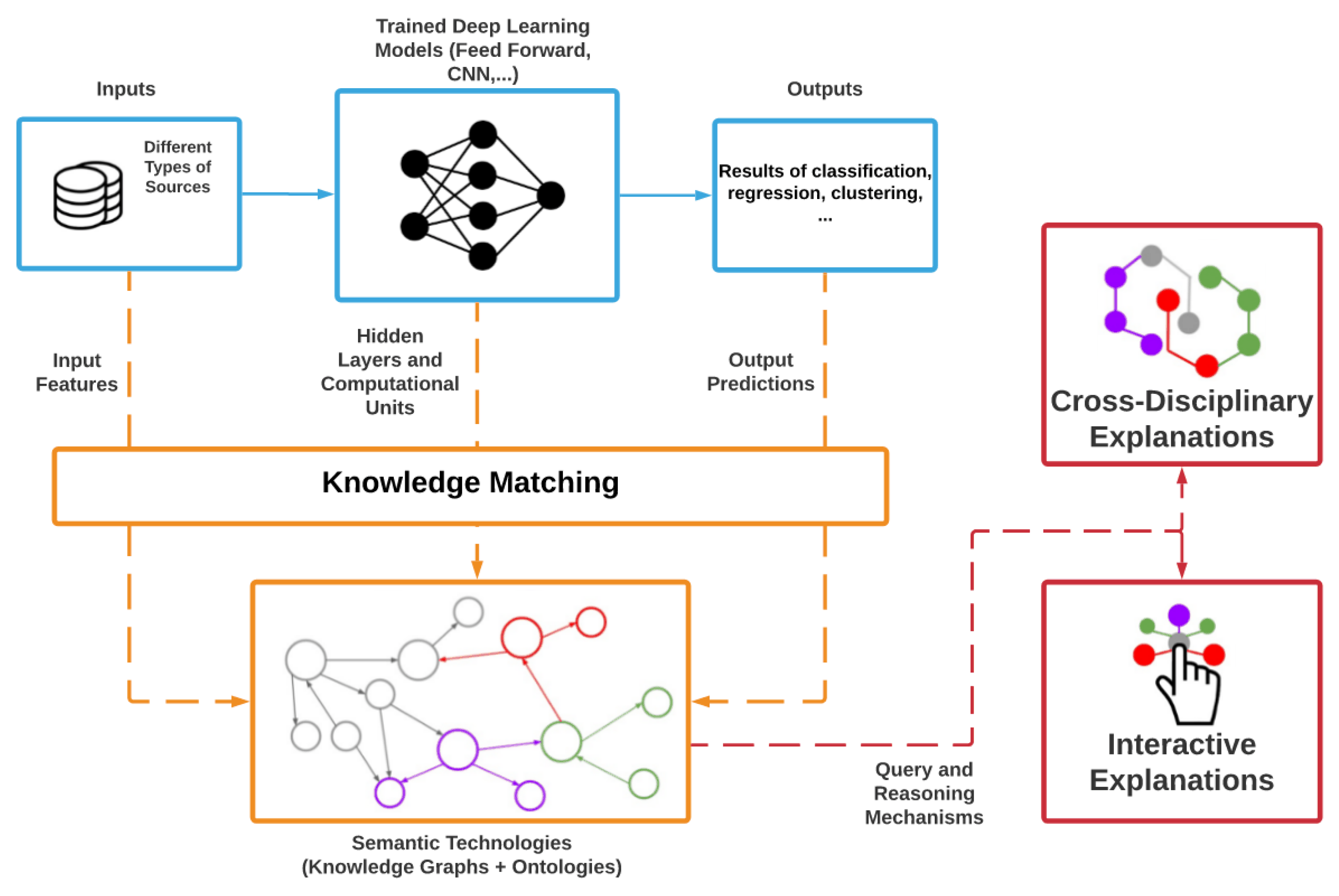
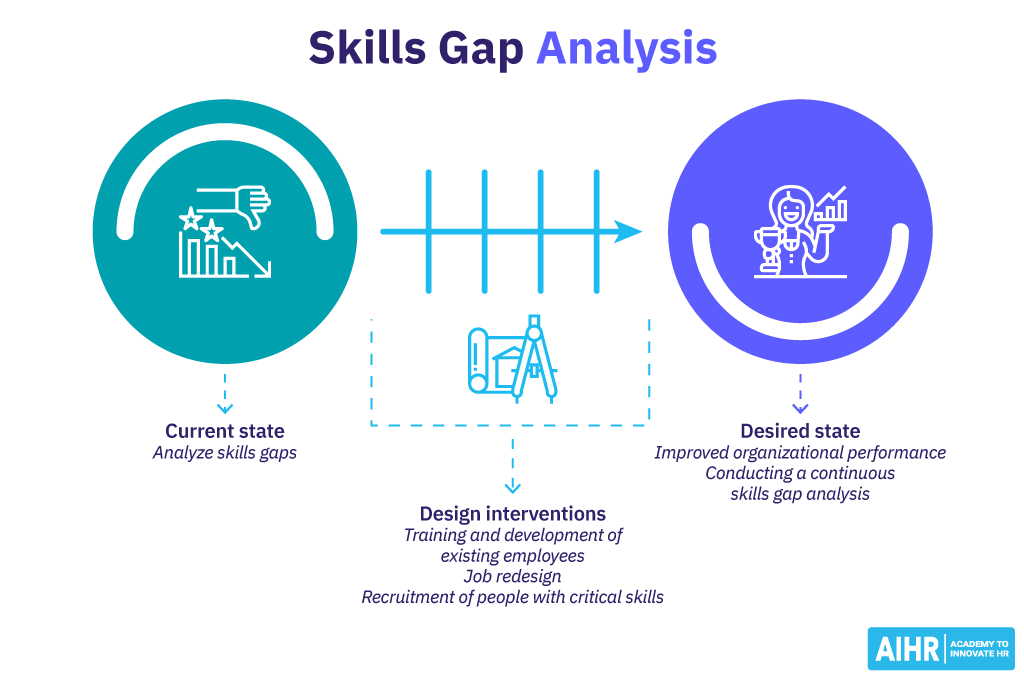
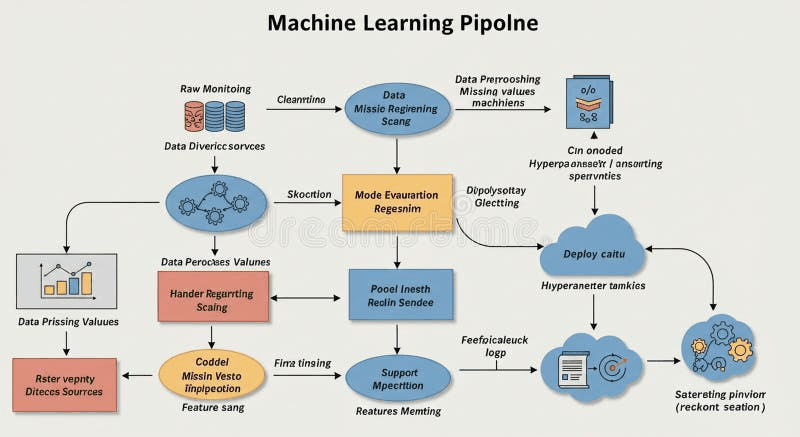
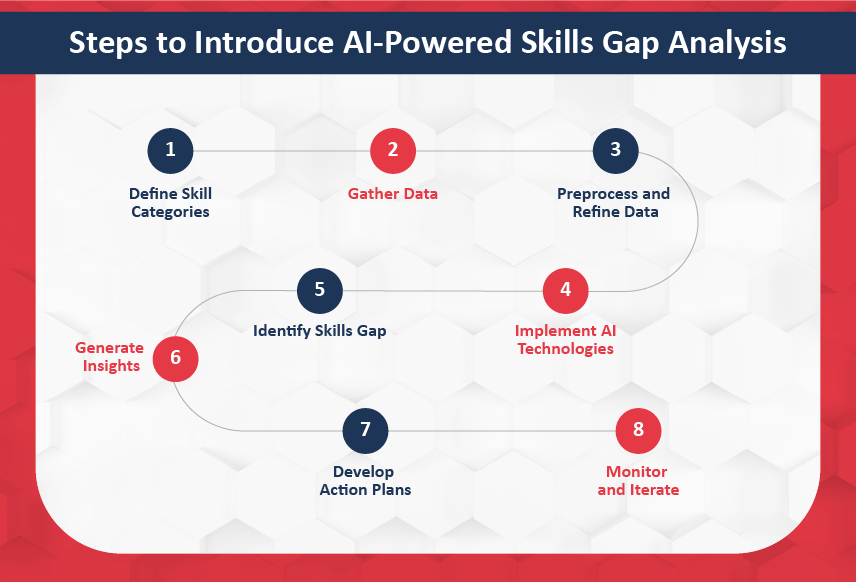
Deep Learning Execution Pipeline
(Preprocessing)
(Feature Extraction)
(Self-Attention)
(Loss Optimization)