Complete Technical Paper Content — Ai Social Good Projects
1. Executive Abstract, Problem Formulation & Background
AI Project Ideas A curated collection of Artificial Intelligence project ideas for students, developers, and AI/ML enthusiasts. This repository contains projects ranging from beginner to advanced level, covering Machine Learning, Deep Learning, Natural Language Processing, Computer Vision, Generative AI, and AI Agents. Table of Contents Introduction Beginner Projects Intermediate Projects Advanced Projects Machine Learning Projects Deep Learning Projects NLP Projects Computer Vision Projects Generative AI Projects AI Agent Projects Recommended Tech Stack How to Choose a Project Project Development Steps Conclusion Introduction Artificial Intelligence is one of the fastest-growing areas in computer science. Building practical projects is an effective way to understand AI concepts and demonstrate technical skills. This repository provides project ideas categorized according to difficulty and technology. Each project can be expanded with additional features, improved models, and a professional user interface. Beginner Projects These projects are suitable for students who are starting their journey in AI and Machine Learning. 1. Student Performance Prediction Predict a student's academic performance based on factors such as attendance, study hours, previous marks, and assignment scores. Technologies: Python Pandas NumPy Scikit-learn Streamlit Possible Models: Linear Regression Decision Tree Random Forest 2. House Price Prediction Build a Machine Learning model that predicts house prices based on location, area, number of bedrooms, and other features. Technologies: Python Pandas Scikit-learn Matplotlib 3. Spam Email Detection Develop a classification system that identifies whether an email is spam or legitimate. Technologies: Python NLP Scikit-learn TF-IDF Naive Bayes 4. Customer Churn Prediction Predict whether a customer is likely to leave a service based on customer information and usage patterns. Possible Models: Logistic Regression Decision Tree Random Forest XGBoost 5. Movie Recommendation System Build a recommendation system that suggests movies based on user preferences and movie similarity. Concepts: Content-based filtering Cosine similarity Feature extraction Intermediate Projects 6. Fake News Detection Develop an NLP-based system that classifies news articles as real or potentially misleading. Technologies: Python NLP Scikit-learn TF-IDF Flask or Streamlit 7. Sentiment Analysis System Analyze text and classify it into categories such as positive, negative, or neutral. Applications: Product reviews Social media analysis Customer feedback 8. Resume Screening System Build an AI system that compares resumes with job descriptions and calculates a relevance score. Features: Resume text extraction Keyword matching Skill extraction Similarity scoring Candidate ranking 9. Student Placement Prediction Predict whether a student is likely to get placed based on academic performance, skills, internships, projects, and other factors. 10. Disease Prediction System Create a classification model that predicts possible diseases from a provided set of symptoms. Important Note: Such systems should be treated as educational demonstrations and not as replacements for professional medical diagnosis. 11. Credit Risk Prediction Predict the probability of loan default using customer financial information. Possible Models: Logistic Regression Random Forest Gradient Boosting 12. Customer Segmentation Use clustering algorithms to divide customers into meaningful groups. Main Algorithm: K-Means Clustering Applications: Marketing Customer analytics Personalized recommendations Advanced Projects 13. AI-Powered Personal Assistant Build an assistant that can understand user requests and perform tasks using APIs and external tools. Possible Features: Question answering Task management Web search Calendar integration Document analysis 14. Intelligent Document Processing Create an AI system that extracts useful information from invoices, resumes, reports, and other documents. Technologies: OCR NLP Python Document parsing Machine Learning 15. AI-Based Fraud Detection Develop a system that detects suspicious financial transactions using Machine Learning. Concepts: Anomaly detection Classification Feature engineering Imbalanced datasets 16. Predictive Maintenance System Predict equipment failures using sensor data. Applications: Manufacturing Industrial IoT Transportation 17. AI-Powered Search Engine Build a semantic search system that understands the meaning of queries instead of relying only on exact keyword matching. Technologies: Embeddings Vector database Semantic search NLP 18. Intelligent Recommendation Engine Build a recommendation system capable of recommending products, courses, movies, or articles based on user behavior. Machine Learning Projects 19. Sales Prediction Predict future sales based on historical sales data, seasonal patterns, promotions, and customer behavior. 20. Stock Market Trend Prediction Develop a research-oriented model that predicts market trends using historical data and financial indicators. Possible Techniques: Regression Classification Time-series analysis LSTM Note: Predictions should not be treated as financial advice. 21. Employee Attrition Prediction Predict whether employees are likely to leave an organization. Features may include: Experience Salary Job satisfaction Working hours Department 22. Energy Consumption Prediction Predict future energy consumption using historical usage and environmental data. 23. Customer Lifetime Value Prediction Estimate the potential long-term value of customers using historical purchasing behavior. Deep Learning Projects 24. Image Classification Build a deep learning model to classify images into predefined categories. Technologies: Python TensorFlow Keras PyTorch CNN 25. Object Detection System Detect and classify objects within images or videos. Possible Technologies: YOLO OpenCV PyTorch TensorFlow 26. Face Recognition System Develop a system capable of identifying registered individuals from images or video. Technologies: Python OpenCV Face embeddings Deep Learning 27. Handwritten Digit Recognition Build a neural network that recognizes handwritten digits. Dataset: MNIST 28. Image Caption Generator Create a system that generates textual descriptions for images. Concepts: CNN Transformers Encoder-decoder architecture Natural Language Processing Projects 29. Chatbot Build a chatbot capable of answering questions based on predefined information. 30. Text Summarization System Create an application that summarizes long documents into shorter versions. Approaches: Extractive summarization Abstractive summarization Transformer models 31. Language Translation System Build a system that translates text between different languages. 32. Question Answering System Create a system that answers questions based on a given document or knowledge base. 33. Text Classification System Classify documents into categories such as business, sports, technology, politics, or entertainment. Generative AI Projects 34. AI Writing Assistant Build an application that helps users generate and improve written content. Features: Content generation Grammar improvement Summarization Rewriting Text classification 35. AI Document Question Answering Allow users to upload documents and ask questions about their contents. Possible Architecture: Document | Text Extraction | Chunking | Embeddings | Vector Database | User Question | Retrieval | LLM | Answer 36. RAG-Based Knowledge Assistant Build a Retrieval-Augmented Generation system that answers questions using a custom knowledge base. Technologies: Python Embeddings Vector Database LLM RAG 37. AI Resume Analyzer Build an AI system that analyzes resumes and provides: Skills identified Missing skills Job matching score Resume improvement suggestions Relevant job roles 38. AI Code Assistant Build an application that can explain code, identify potential issues, generate documentation, and suggest improvements. AI Agent Projects 39. Research Assistant Agent Build an AI agent that can search for information, summarize sources, and generate structured research reports. 40. Customer Support Agent Develop an AI agent that answers customer questions and uses company knowledge bases to provide relevant responses. 41. Data Analysis Agent Build an agent that accepts a dataset and helps users: Understand the data Clean the dataset Perform analysis Generate charts Identify trends 42. SQL Query Agent Create an AI system that converts natural language questions into SQL queries. Example: User: Show the top 5 employees by salary. AI: SELECT * FROM employees ORDER BY salary DESC LIMIT 5; 43. AI Travel Planning Agent Create an agent that generates travel plans based on destination, budget, duration, and user preferences. Recommended Tech Stack Programming Languages Python JavaScript TypeScript Machine Learning Scikit-learn XGBoost LightGBM Deep Learning PyTorch TensorFlow Keras NLP NLTK spaCy Hugging Face Transformers Computer Vision OpenCV YOLO torchvision Generative AI Large Language Models Embeddings RAG Vector databases Prompt engineering Tool calling Backend Flask FastAPI Spring Boot Frontend HTML CSS JavaScript React Streamlit Databases MySQL PostgreSQL MongoDB SQLite Vector databases Deployment Docker AWS Azure Google Cloud How to Choose a Project Consider the following factors before selecting a project: Choose a project related to your career goal. Start with a manageable problem. Select a suitable dataset. Identify the Machine Learning or AI technique required. Build a simple working version first. Add advanced features after the basic version works. Create a professional user interface. Test the system using appropriate evaluation metrics. Document the project clearly. Deploy the project whenever possible. Project Development Steps A typical AI project can follow these steps: Problem Definition | Data Collection | Data Cleaning | Exploratory Data Analysis | Feature Engineering | Model Selection | Model Training | Model Evaluation | Optimization | Application Development | Testing | Deployment | Documentation Important Evaluation Metrics Different AI projects require different evaluation metrics. Classification Accuracy Precision Recall F1 Score ROC-AUC Regression MAE MSE RMSE R-squared Clustering Silhouette Score Davies-Bouldin Index Generative AI Evaluation may consider: Accuracy Relevance Groundedness Factuality Latency User satisfaction Recommended Projects for Students For students preparing for placements, the following projects provide good opportunities to demonstrate practical skills: Resume Screening System Fake News Detection Student Placement Prediction Sentiment Analysis Customer Churn Prediction Recommendation System AI Document Question Answering RAG-Based Knowledge Assistant AI Data Analysis Agent AI Customer Support Agent Conclusion AI projects provide practical experience with data processing, Machine Learning, Deep Learning, NLP, Computer Vision, Generative AI, and deployment. The best project is not necessarily the most complex one. A well-designed project with a clear problem statement, clean implementation, meaningful evaluation, professional documentation, and successful deployment can be highly valuable for a portfolio. Author Harika Lankalapalli If this repository is useful, consider giving it a star and contributing additional AI project ideas.
A curated collection of Artificial Intelligence project ideas for students, developers, and AI/ML enthusiasts. This repository contains projects ranging from beginner to advanced level, covering Machine Learning, Deep Learning, Natural Language Processing, Computer Vision, Generative AI, and AI Agents.
Artificial Intelligence is one of the fastest-growing areas in computer science. Building practical projects is an effective way to understand AI concepts and demonstrate technical skills.
This repository provides project ideas categorized according to difficulty and technology. Each project can be expanded with additional features, improved models, and a professional user interface.
These projects are suitable for students who are starting their journey in AI and Machine Learning.
Predict a student's academic performance based on factors such as attendance, study hours, previous marks, and assignment scores.
Build a Machine Learning model that predicts house prices based on location, area, number of bedrooms, and other features.
2. Related Work, Literature Survey & Algorithmic Foundations
Develop a classification system that identifies whether an email is spam or legitimate.
Predict whether a customer is likely to leave a service based on customer information and usage patterns.
Build a recommendation system that suggests movies based on user preferences and movie similarity.
Develop an NLP-based system that classifies news articles as real or potentially misleading.
Build an AI system that compares resumes with job descriptions and calculates a relevance score.
Predict whether a student is likely to get placed based on academic performance, skills, internships, projects, and other factors.
Create a classification model that predicts possible diseases from a provided set of symptoms.
3. Dataset Ingestion, Preprocessing & Stochastic Augmentations
Such systems should be treated as educational demonstrations and not as replacements for professional medical diagnosis.
Build an assistant that can understand user requests and perform tasks using APIs and external tools.
Create an AI system that extracts useful information from invoices, resumes, reports, and other documents.
Develop a system that detects suspicious financial transactions using Machine Learning.
Build a semantic search system that understands the meaning of queries instead of relying only on exact keyword matching.
Build a recommendation system capable of recommending products, courses, movies, or articles based on user behavior.
Predict future sales based on historical sales data, seasonal patterns, promotions, and customer behavior.
4. Neural Network Backbone, Layer Specifications & Loss Formulations
Develop a research-oriented model that predicts market trends using historical data and financial indicators.
Estimate the potential long-term value of customers using historical purchasing behavior.
Classify documents into categories such as business, sports, technology, politics, or entertainment.
Document | Text Extraction | Chunking | Embeddings | Vector Database | User Question | Retrieval | LLM | Answer
Build a Retrieval-Augmented Generation system that answers questions using a custom knowledge base.
Build an application that can explain code, identify potential issues, generate documentation, and suggest improvements.
Build an AI agent that can search for information, summarize sources, and generate structured research reports.
5. Training Protocol, Convergence Behavior & Experimental Evaluation
Develop an AI agent that answers customer questions and uses company knowledge bases to provide relevant responses.
User: Show the top 5 employees by salary. AI: SELECT * FROM employees ORDER BY salary DESC LIMIT 5;
Create an agent that generates travel plans based on destination, budget, duration, and user preferences.
Problem Definition | Data Collection | Data Cleaning | Exploratory Data Analysis | Feature Engineering | Model Selection | Model Training | Model Evaluation | Optimization | Application Development | Testing | Deployment | Documentation
For students preparing for placements, the following projects provide good opportunities to demonstrate practical skills:
AI projects provide practical experience with data processing, Machine Learning, Deep Learning, NLP, Computer Vision, Generative AI, and deployment.
The best project is not necessarily the most complex one. A well-designed project with a clear problem statement, clean implementation, meaningful evaluation, professional documentation, and successful deployment can be highly valuable for a portfolio.
Model Figures & Evaluation Curves (4 Images)
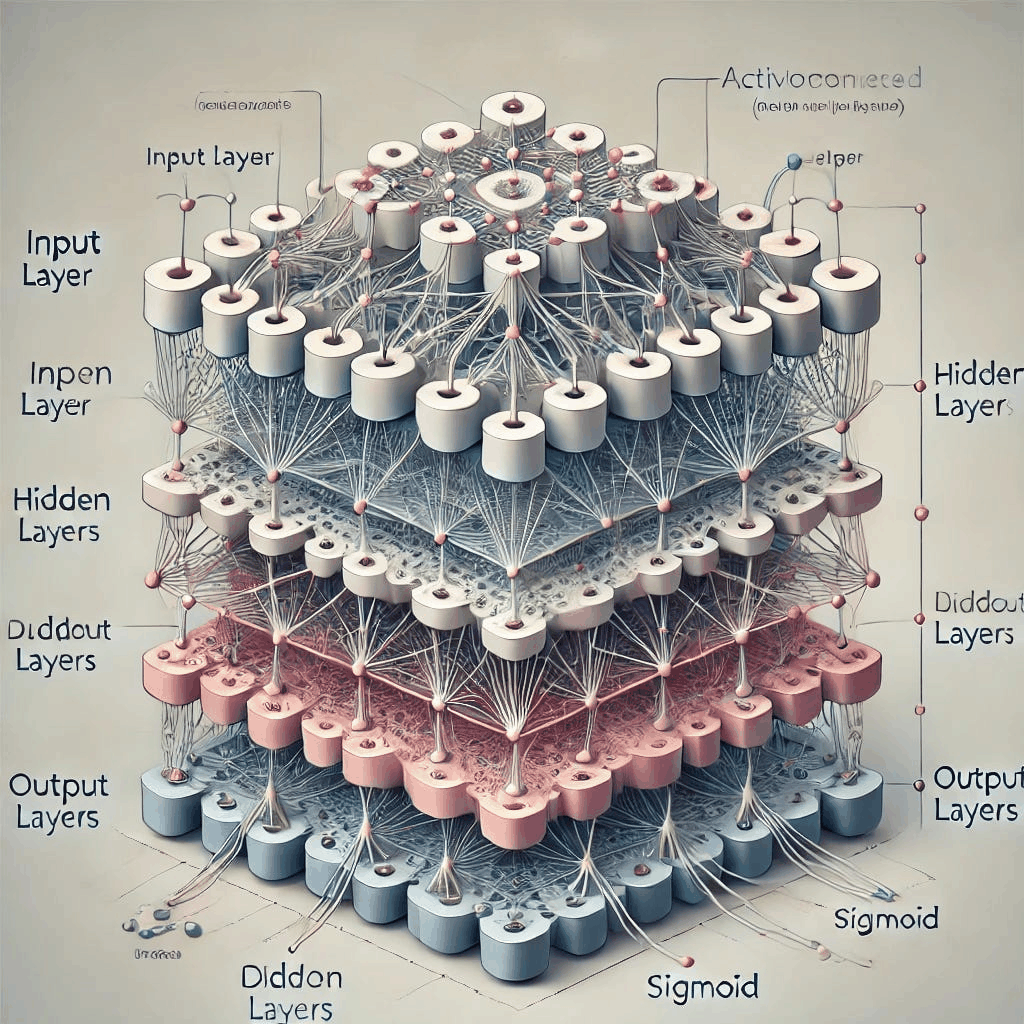
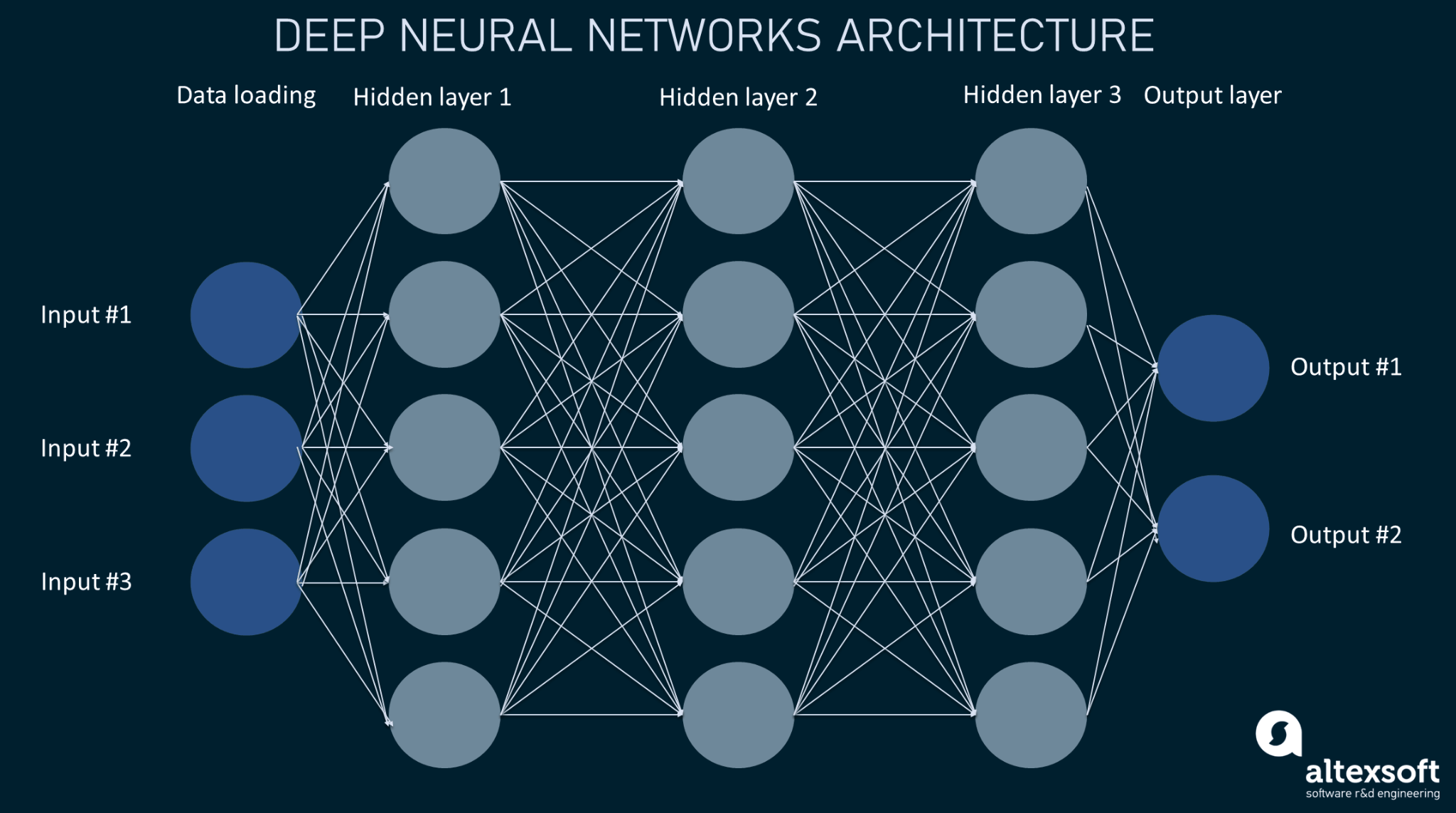
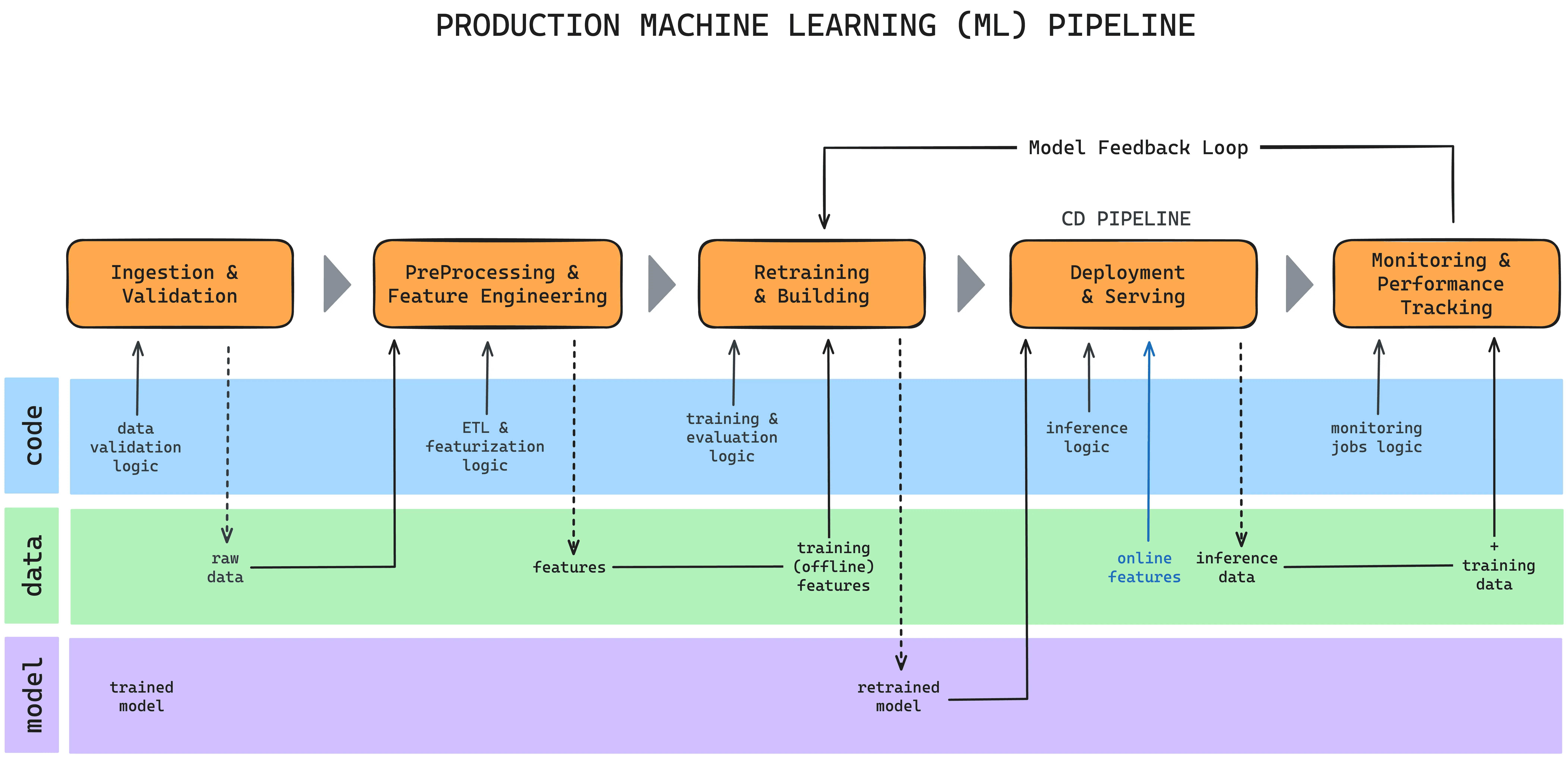
Deep Learning Execution Pipeline
(Preprocessing)
(Feature Extraction)
(Self-Attention)
(Loss Optimization)