Complete Technical Paper Content — Deepfake Detection Ai
1. Executive Abstract, Problem Formulation & Background
Audio deepfake technology, also referred to as voice cloning or deepfake audio, is an application of artificial intelligence designed to generate speech that convincingly mimics specific individuals, often synthesizing phrases or sentences they have never spoken. Initially developed with the intent to enhance various aspects of human life, it has practical applications such as generating audiobooks and assisting individuals who have lost their voices due to medical conditions. Additionally, it has commercial uses, including the creation of personalized digital assistants, natural-sounding text-to-speech systems, and advanced speech translation services. As with other forms of deepfakes, audio deepfakes have faced criticism for their use in scams, phishing, and misinformation campaigns.
The category based on speech synthesis refers to the artificial production of human speech, using software or hardware system programs. Speech synthesis includes text-to-speech, which aims to transform the text into acceptable and natural speech in real-time, making the speech sound in line with the text input, using the rules of linguistic description of the text. A classical system of this type consists of three modules: a text analysis model, an acoustic model, and a vocoder. The generation usually has to follow two essential steps. It is necessary to collect clean and well-structured raw audio with the transcribed text of the original speech audio sentence. Second, the text-to-speech model must be trained using these data to build a synthetic audio generation model. Specifically, the transcribed text with the target speaker's voice is the input of the generation model. The text analysis module processes the input text and converts it into linguistic features. Then, the acoustic module extracts the parameters of the target speaker from the audio data based on the linguistic features generated by the text analysis module. Finally, the vocoder learns to create vocal waveforms based on the parameters of the acoustic features. The final audio file is generated, including the synthetic simulation audio in a waveform format, creating speech audio in the voice of many speakers, even those not in training. The first breakthrough in this regard was introduced by WaveNet, a neural network for generating raw audio waveforms capable of emulating the characteristics of many different speakers. This network has been overtaken over the years by other systems which synthesize highly realistic artificial voices within everyone's reach. Text-to-speech is highly dependent on the quality of the voice corpus used to realize the system, and creating an entire voice corpus is expensive. Another disadvantage is that speech synthesis systems do not recognize periods or special characters. Also, ambiguity problems are persistent, as two words written in the same way can have different meanings.
2. Related Work, Literature Survey & Algorithmic Foundations
Audio deepfake based on imitation is a way of transforming an original speech from one speaker - the original - so that it sounds spoken like another speaker - the target one. An imitation-based algorithm takes a spoken signal as input and alters it by changing its style, intonation, or prosody, trying to mimic the target voice without changing the linguistic information. This technique is also known as voice conversion. This method is often confused with the previous synthetic-based method, as there is no clear separation between the two approaches regarding the generation process. Indeed, both methods modify acoustic-spectral and style characteristics of the speech audio signal, but the Imitation-based usually keeps the input and output text unaltered. This is obtained by changing how this sentence is spoken to match the target speaker's characteristics. Voices can be imitated in several ways, such as using humans with similar voices that can mimic the original speaker. In recent years, the most popular approach involves the use of particular neural networks called generative adversarial networks (GAN) due to their flexibility as well as high-quality results. Then, the original audio signal is transformed to say a speech in the target audio using an imitation generation method that generates a new speech, shown in the fake one.
Many machine learning models have been developed using different strategies to detect fake audio. Most of the time, these algorithms follow a three-steps procedure:
3. Dataset Ingestion, Preprocessing & Stochastic Augmentations
Each speech audio recording must be preprocessed and transformed into appropriate audio features; The computed features are fed into the detection model, which performs the necessary operations, such as the training process, essential to discriminate between real and fake speech audio; The output is fed into the final module to produce a prediction probability of the Fake class or the Real one. Following the ASVspoof challenge nomenclature, the Fake audio is indicated with the term "Spoof," the Real instead is called "Bonafide." Over the years, many researchers have shown that machine learning approaches are more accurate than deep learning methods, regardless of the features used. However, the scalability of machine learning methods is not confirmed due to excessive training and manual feature extraction, especially with many audio files. Instead, when deep learning algorithms are used, specific transformations are required on the audio files to ensure that the algorithms can handle them. Most detection studies focus on English language deepfakes. Research on the most spoken languages like Chinese and Spanish remains limited. Hindi and Arabic are also understudied. Detection models trained primarily on English show reduced performance when tested on non-English audio. Accent variation also affects detection accuracy. Different pronunciations associated with specific regions or populations influence how well models identify synthetic speech. There are several open-source implementations of different detection methods, and usually many research groups release them on a public hosting service like GitHub.
The increasing accessibility of audio deepfake technology has faced concerns over their use in scams and misinformation campaigns. People can use them as a logical access voice spoofing technique, where they can be used to manipulate public opinion for propaganda, defamation, or terrorism. Vast amounts of voice recordings are daily transmitted over the Internet, and spoofing detection is challenging. Audio deepfake attackers have targeted individuals and organizations, including politicians and governments. In 2019, scammers using AI impersonated the voice of the CEO of a German energy company and directed the CEO of its UK subsidiary to transfer €220,000. In early 2020, the same technique impersonated a company director as part of an elaborate scheme that convinced a branch manager to transfer $35 million. In May 2024, the British engineering firm Arup confirmed that it had been the target of a deepfake scam in Hong Kong in which fake voices and images were used. According to Hong Kong police, a finance employee joined a video call with deepfake re-creations of the company's chief financial officer and other colleagues, and then transferred 200 million Hong Kong dollars (about US$25.6 million) to the fraudsters in 15 transactions. According to a 2023 global McAfee survey, one person in ten reported having been targeted by an AI voice cloning scam; 77% of these targets reported losing money to the scam. Audio deepfakes could also pose a danger to voice ID systems currently used by financial institutions. In March 2023, the United States Federal Trade Commission issued a warning to consumers about the use of AI to fake the voice of a family member in distress asking for money. In October 2023, during the start of the British Labour Party's conference in Liverpool, an audio deepfake of Labour leader Keir Starmer was released that falsely portrayed him verbally abusing his staffers and criticizing Liverpool. That same month, an audio deepfake of Slovak politician Michal Šimečka falsely claimed to capture him discussing ways to rig the upcoming election. During the campaign for the 2024 New Hampshire Democratic presidential primary, over 20,000 voters received robocalls from an AI-impersonated President Joe Biden urging them not to vote. The New Hampshire attorney general said this violated state election laws, and alleged involvement by Life Corporation and Lingo Telecom. In February 2024, the United States Federal Communications Commission banned the use of AI to fake voices in robocalls. That same month, political consultant Steve Kramer admitted that he had commissioned the calls for $500. He said that he wanted to call attention to the need for rules governing the use of AI in political campaigns. In May, the FCC said that Kramer had violated federal law by spoofing the number of a local political figure, and proposed a fine of $6 million. Four New Hampshire counties indicted Kramer on felony counts of voter suppression, and impersonating a candidate, a misdemeanor. In 2024, YouTuber Jeff Geerling received attention after noticing his voice was cloned without consent by the electronics manufacturer Elecrow, and the company subsequently apologized and removed the offending content. Geerling's experience was cited as a case meant to be addressed by YouTube's likeness-detection technology when it was released in 2025.
4. Neural Network Backbone, Layer Specifications & Loss Formulations
On 22 May 2025, it was claimed that Hoya Corporations product ReadSpeak used recording work done by the actress Gayanne Potter for them in 2021 which at the time she understood would just be used for accessibility and e-learning software, but is now available generally as the voice Iona and is used as the announcer on ScotRail trains. This replaced older messages recorded by Fletcher Mathers without her permission. On 25 August 2025, ScotRail announced that they will replace the AI voice on trains, however it's not confirmed if this will be a human recording or another AI-trained voice. In September 2026, the Tokyo District Court ruled that the unauthorized commercial use of an AI-generated imitation of a person's voice can infringe publicity rights. It is the first judicial recognition of a right to one's voice in Japan. Voice actor Kenjiro Tsuda brought the case against TikTok over an AI clone of his voice used in more than 180 TikTok videos.
Deepfake pornography is generative AI pornography created by altering existing photographs or videos, using deepfake technology, to modify the appearance of the depicted individuals, typically without consent. Deepfake pornography is controversial and has been the subject of lawsuits and criminal investigations because users create and distribute realistic photos and videos of non-consenting individuals, sometimes including minors. It has been used for revenge porn. Many countries have criminalized deepfake pornography through legislative measures and technological solutions.
5. Training Protocol, Convergence Behavior & Experimental Evaluation
In January 2024, AI-generated sexually explicit images of American singer Taylor Swift were posted on X (formerly Twitter), and spread to other platforms such as Facebook, Reddit and Instagram. One tweet with the images was viewed over 45 million times before being removed. A report from 404 Media found that the images appeared to have originated from a Telegram group, whose members used tools such as Microsoft Designer to generate the images, using misspellings and keyword hacks to work around Designer's content filters. After the material was posted, Swift's fans posted concert footage and images to bury the deepfake images, and reported the accounts posting the deepfakes. Searches for Swift's name were temporarily disabled on X, returning an error message instead. Graphika, a disinformation research firm, traced the creation of the images back to a 4chan community. A source close to Swift told the Daily Mail that she would be considering legal action, saying, "Whether or not legal action will be taken is being decided, but there is one thing that is clear: These fake AI-generated images are abusive, offensive, exploitative, and done without Taylor's consent and/or knowledge." The controversy drew condemnation from White House Press Secretary Karine Jean-Pierre, Microsoft CEO Satya Nadella, the Rape, Abuse & Incest National Network, and SAG-AFTRA. Several US politicians called for federal legislation against deepfake pornography. Later in the month, US senators Dick Durbin, Lindsey Graham, Amy Klobuchar and Josh Hawley introduced a bipartisan bill that would allow victims to sue individuals who produced or possessed "digital forgeries" with intent to distribute, or those who received the material knowing it was made non-consensually.
In December 2025, Bloomberg reported that X users found Grok would comply with non-consensual requests to digitally undress individuals, including minors, or show them performing sexually explicit acts. The majority of these prompts were targeted at women and girls. An analysis of 20,000 images generated by Grok between December 25, 2025 and January 1, 2026 showed 2% were of people in bikinis or transparent clothes and appeared to be 18 or younger, including 30 of "young or very young" women or girls. A separate analysis conducted over 24 hours from January 5 to 6 calculated that users had Grok create 6,700 sexually suggestive or nudified images per hour. xAI responded to requests for comment from media organizations with the automated reply, "Legacy Media Lies". The bot's image generation sparked an international backlash and calls for legal or regulatory action from officials in the European Union, United Kingdom, Poland, France, India, Malaysia, and Brazil.
Model Figures & Evaluation Curves (4 Images)
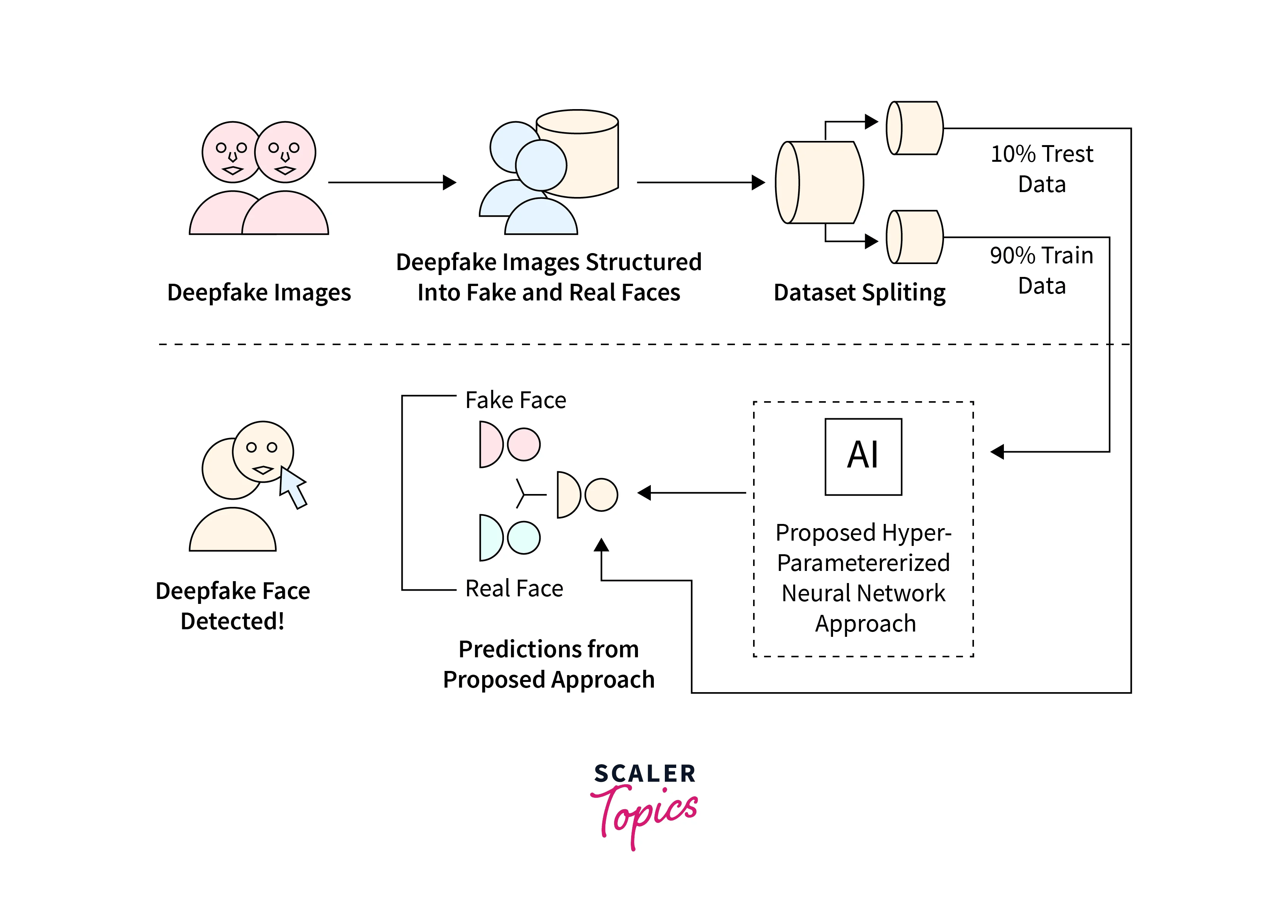
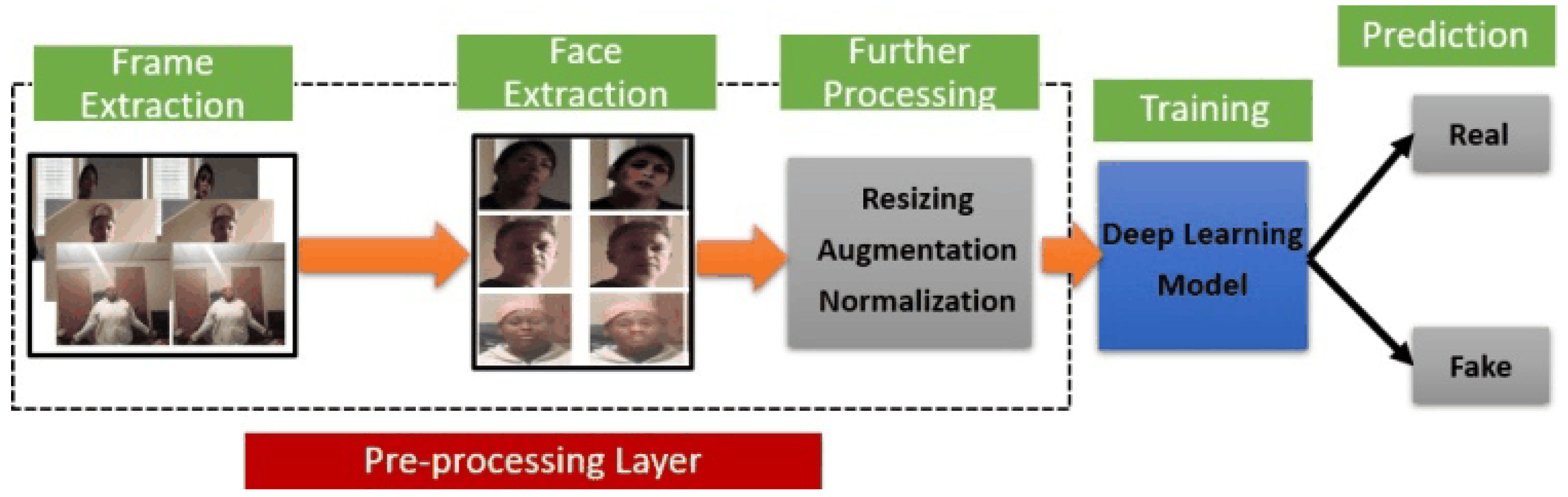
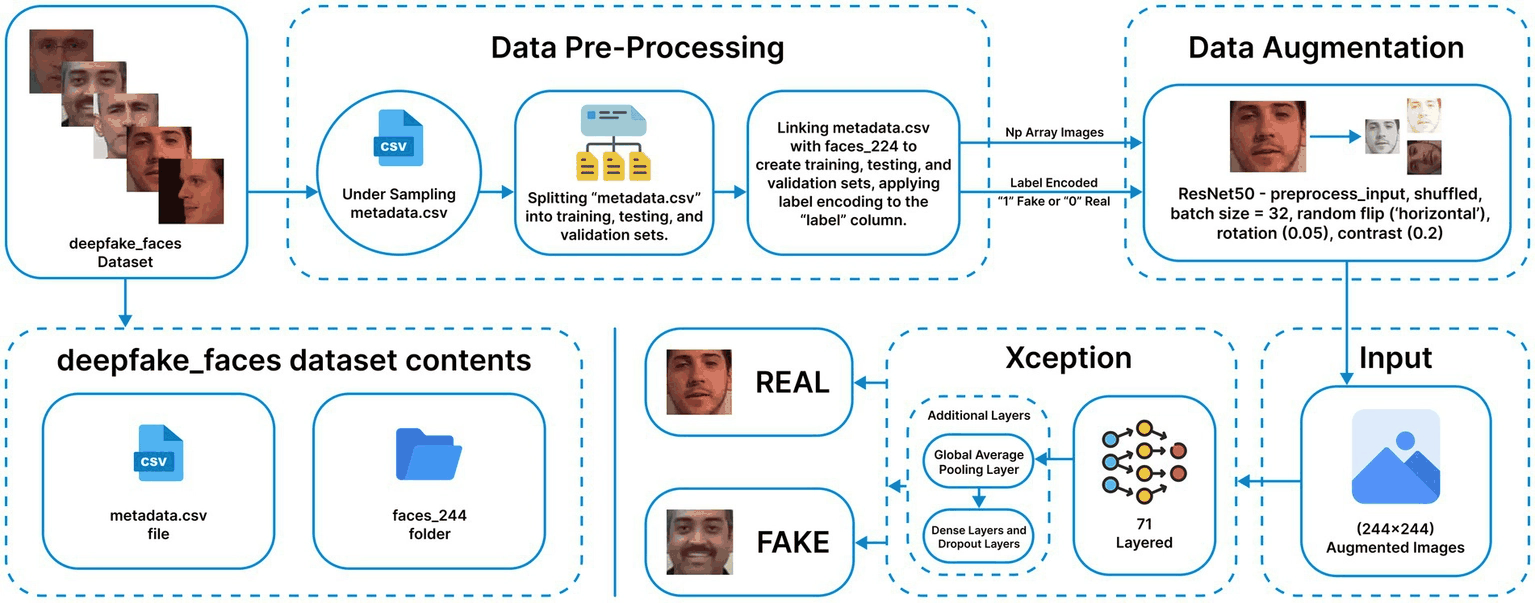
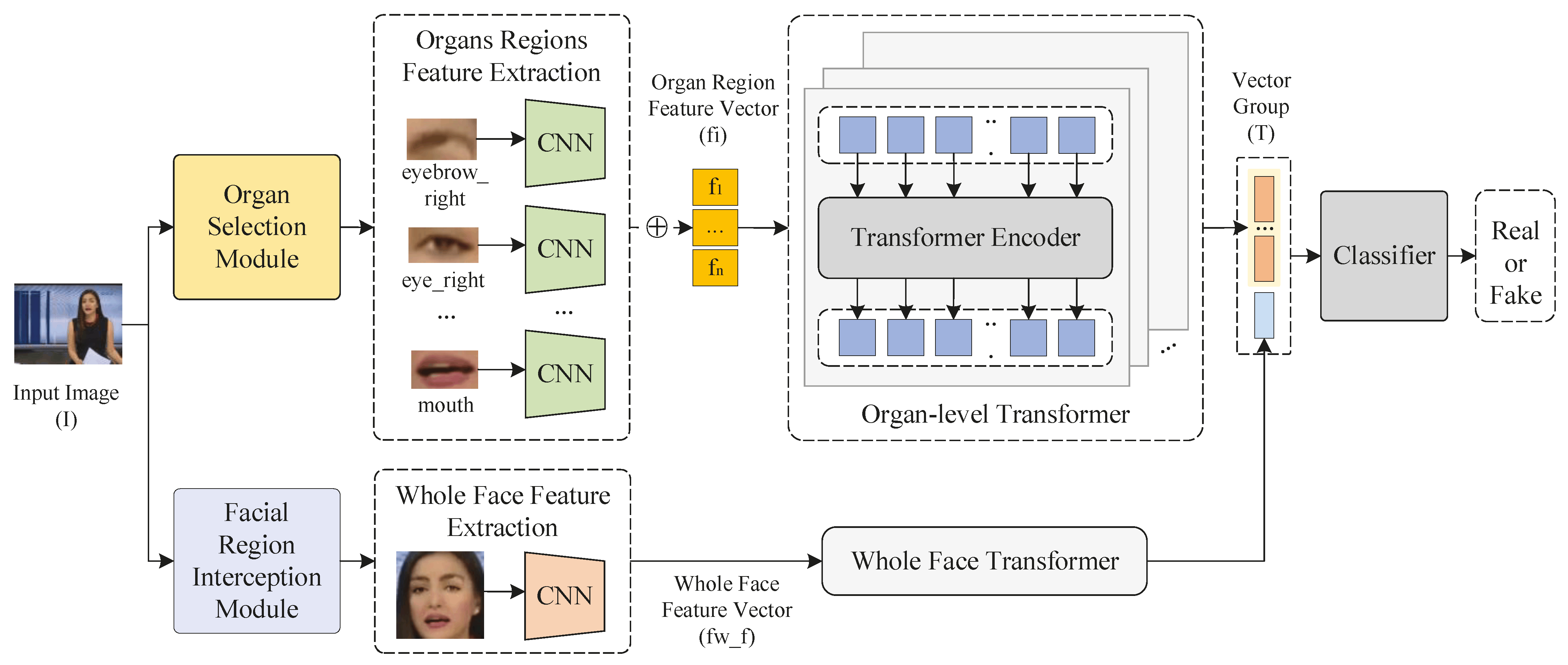
Deep Learning Execution Pipeline
(Preprocessing)
(Feature Extraction)
(Self-Attention)
(Loss Optimization)