Complete Technical Paper Content — Predictive Analytics Projects
1. Executive Abstract, Problem Formulation & Background
Predictive analytics encompasses a variety of statistical techniques from data mining, predictive modeling, and machine learning that analyze current and historical facts to make predictions about future or otherwise unknown events. In business, predictive models exploit patterns found in historical and transactional data to identify risks and opportunities. Models capture relationships among many factors to allow assessment of risk or potential associated with a particular set of conditions, guiding decision-making for candidate transactions. The defining functional effect of these technical approaches is that predictive analytics provides a predictive score (probability) for each individual (customer, employee, healthcare patient, product SKU, vehicle, component, machine, or other organizational unit) in order to determine, inform, or influence organizational processes that pertain across large numbers of individuals, such as in marketing, credit risk assessment, fraud detection, manufacturing, healthcare, and government operations including law enforcement. Since 2022, the field has evolved significantly with the integration of generative AI and large language models (LLMs), moving from purely numerical forecasting to "Predictive GenAI," which combines forecasting with automated content generation and agentic workflows.
Predictive GenAI: This hybrid approach uses predictive models to identify a future event and generative models to create an intervention. For instance, a predictive model may flag a high-risk customer, while a generative model drafts a personalized retention email. Synthetic Data Generation: Generative adversarial networks (GANs) and variational autoencoders are used to create synthetic datasets, allowing organizations to train predictive models on data that mimics real-world patterns without compromising user privacy. Natural Language Querying: Business users can now utilize natural language processing (NLP) to query data (e.g., "Show me sales forecasts for Q4 adjusted for inflation") without needing knowledge of SQL or Python, lowering the barrier to entry for analytics.
Machine learning can be defined as the ability of a machine to learn and then mimic human behavior that requires intelligence. This is accomplished through artificial intelligence, algorithms, and models.
Predictive modeling is a statistical technique used to predict future behavior. It utilizes predictive models to analyze a relationship between a specific unit in a given sample and one or more features of the unit. The objective of these models is to assess the possibility that a unit in another sample will display the same pattern. Predictive model solutions can be considered a type of data mining technology. The models can analyze both historical and current data and generate a model in order to predict potential future outcomes. Regardless of the methodology used, in general, the process of creating predictive models involves the same steps. First, it is necessary to determine the project objectives and desired outcomes and translate these into predictive analytic objectives and tasks. Then, analyze the source data to determine the most appropriate data and model building approach (models are only as useful as the applicable data used to build them). Select and transform the data in order to create models. Create and test models in order to evaluate if they are valid and will be able to meet project goals and metrics. Apply the model's results to appropriate business processes (identifying patterns in the data doesn't necessarily mean a business will understand how to take advantage or capitalize on it). Afterward, manage and maintain models in order to standardize and improve performance (demand will increase for model management in order to meet new compliance regulations).
2. Related Work, Literature Survey & Algorithmic Foundations
Generally, regression analysis uses structural data along with the past values of independent variables and the relationship between them and the dependent variable to form predictions.
In linear regression, a plot is constructed with the previous values of the dependent variable plotted on the Y-axis and the independent variable that is being analyzed plotted on the X-axis. A regression line is then constructed by a statistical program representing the relationship between the independent and dependent variables which can be used to predict values of the dependent variable based only on the independent variable. With the regression line, the program also shows a slope intercept equation for the line which includes an addition for the error term of the regression, where the higher the value of the error term the less precise the regression model is. In order to decrease the value of the error term, other independent variables are introduced to the model, and similar analyses are performed on these independent variables.
An important aspect of auditing includes analytical review. In analytical review, the reasonableness of reported account balances being investigated is determined. Auditors accomplish this process through predictive modeling to form predictions called conditional expectations of the balances being audited using autoregressive integrated moving average (ARIMA) methods and general regression analysis methods, specifically through the Statistical Technique for Analytical Review (STAR) methods. The ARIMA method for analytical review uses time-series analysis on past audited balances in order to create the conditional expectations. These conditional expectations are then compared to the actual balances reported on the audited account in order to determine how close the reported balances are to the expectations. If the reported balances are close to the expectations, the accounts are not audited further. If the reported balances are very different from the expectations, there is a higher possibility of a material accounting error and a further audit is conducted. Regression analysis methods are deployed in a similar way, except the regression model used assumes the availability of only one independent variable. The materiality of the independent variable contributing to the audited account balances are determined using past account balances along with present structural data. Materiality is the importance of an independent variable in its relationship to the dependent variable. In this case, the dependent variable is the account balance. Through this the most important independent variable is used in order to create the conditional expectation and, similar to the ARIMA method, the conditional expectation is then compared to the account balance reported and a decision is made based on the closeness of the two balances. The STAR methods operate using regression analysis, and fall into two methods. The first is the STAR monthly balance approach, and the conditional expectations made and regression analysis used are both tied to one month being audited. The other method is the STAR annual balance approach, which happens on a larger scale by basing the conditional expectations and regression analysis on one year being audited. Besides the difference in the time being audited, both methods operate the same, by comparing expected and reported balances to determine which accounts to further investigate.
Artificial intelligence and machine learning techniques are used in video games for a wide variety of applications such as non-player character (NPC) control, procedural content generation (PCG) and deep learning-based content generation. Machine learning is a subset of artificial intelligence that uses historical data to build predictive and analytical models. This is in sharp contrast to traditional methods of artificial intelligence such as search trees and expert systems. Information on machine learning techniques in the field of games is mostly known to public through research projects as most gaming companies choose not to publish specific information about their intellectual property. The most publicly known application of machine learning in games is likely the use of deep learning agents that compete with professional human players in complex strategy games. There has been a significant application of machine learning on games such as Atari/ALE, Doom, Minecraft, StarCraft, and car racing. Other games that did not originally exists as video games, such as chess and Go have also been affected by the machine learning.
3. Dataset Ingestion, Preprocessing & Stochastic Augmentations
The 3D printer available in InZOI (available in early access), a life simulation game developed by InZOI Studio and published by Krafton. Given a 2D image file provided by the user, the 3D printer generates the corresponding 3D object, which the user can then place in the game or use to decorate its avatar. The terrain generation solution implemented in Prologue: Go Wayback! (early access: to be announced, with play tests undergoing in early 2025), a survival game developed by PlayerUnknown Productions. The approach allows to generate a new game map every time the game is launched.
AI & Machine Learning Projects Collection This repository contains multiple Machine Learning and Deep Learning projects built using Python, Streamlit, Scikit-learn, TensorFlow, Pandas, NumPy, and Matplotlib. The projects focus on real-world AI applications including classification, prediction, computer vision, and business analytics. The repository includes complete source code, datasets, trained models, preprocessing pipelines, and interactive Streamlit dashboards. Projects Included 1. Bengaluru Housing Price Prediction A Machine Learning web application that predicts house prices in Bengaluru based on property details such as area, number of bedrooms, and bathrooms. Features Data preprocessing and cleaning Area conversion handling Linear Regression model Interactive Streamlit interface Real-time house price prediction Data visualization dashboard Screenshots Technologies Used Python Pandas Scikit-learn Matplotlib Streamlit 2. Handwritten Digit Recognition using CNN A Deep Learning application that recognizes handwritten digits using a Convolutional Neural Network trained on the MNIST dataset. Features CNN-based digit classification Interactive drawing canvas Image upload support Real-time prediction Prediction confidence visualization Cached model loading TensorFlow/Keras implementation Screenshots Technologies Used Python TensorFlow Keras NumPy PIL Streamlit streamlit-drawable-canvas 3. Iris Flower Classification A Machine Learning classification project that predicts the species of an Iris flower based on sepal and petal measurements. Features Logistic Regression model Interactive sliders for input Prediction probability visualization Dataset viewer Model accuracy display Species information section Screenshots Technologies Used Python Scikit-learn Pandas NumPy Streamlit 4. Telecom Customer Churn Prediction Dashboard A professional Machine Learning dashboard that predicts whether a telecom customer is likely to churn based on customer behavior and service usage. Features Data preprocessing and encoding Random Forest Classification model Customer churn prediction Probability score calculation KPI dashboard Churn distribution visualization Interactive sidebar controls Model accuracy evaluation Screenshots Technologies Used Python Pandas NumPy Scikit-learn Streamlit Repository Structure ├── dataset/ │ ├── Bengaluru_House_Data.csv │ ├── Telco-Customer-Churn.csv │ ├── Housing_Price_Prediction/ │ ├── app.py │ ├── Digit_Recognition_CNN/ │ ├── app.py │ ├── mnist_model.h5 │ ├── Iris_Classification/ │ ├── app.py │ ├── Customer_Churn_Prediction/ │ ├── app.py │ ├── requirements.txt ├── README.md Installation Clone the repository: git clone https://github.com/your-username/your-repository-name.git Move into the project directory: cd your-repository-name Install dependencies: pip install -r requirements.txt Running Streamlit Applications Run any project using: streamlit run app.py Example: cd Iris_Classification streamlit run app.py Skills Demonstrated This repository demonstrates practical implementation of: Machine Learning Deep Learning Data Preprocessing Model Training Model Evaluation Classification Algorithms Regression Algorithms CNN Architecture Data Visualization Streamlit Deployment Interactive Dashboard Development Feature Engineering Predictive Analytics Libraries Used Streamlit Pandas NumPy Scikit-learn TensorFlow Matplotlib PIL streamlit-drawable-canvas 👨💻 Author Omkar Koli
This repository contains multiple Machine Learning and Deep Learning projects built using Python, Streamlit, Scikit-learn, TensorFlow, Pandas, NumPy, and Matplotlib. The projects focus on real-world AI applications including classification, prediction, computer vision, and business analytics.
The repository includes complete source code, datasets, trained models, preprocessing pipelines, and interactive Streamlit dashboards.
4. Neural Network Backbone, Layer Specifications & Loss Formulations
A Machine Learning web application that predicts house prices in Bengaluru based on property details such as area, number of bedrooms, and bathrooms.
A Deep Learning application that recognizes handwritten digits using a Convolutional Neural Network trained on the MNIST dataset.
A Machine Learning classification project that predicts the species of an Iris flower based on sepal and petal measurements.
A professional Machine Learning dashboard that predicts whether a telecom customer is likely to churn based on customer behavior and service usage.
5. Training Protocol, Convergence Behavior & Experimental Evaluation
├── dataset/ │ ├── Bengaluru_House_Data.csv │ ├── Telco-Customer-Churn.csv │ ├── Housing_Price_Prediction/ │ ├── app.py │ ├── Digit_Recognition_CNN/ │ ├── app.py │ ├── mnist_model.h5 │ ├── Iris_Classification/ │ ├── app.py │ ├── Customer_Churn_Prediction/ │ ├── app.py │ ├── requirements.txt ├── README.md
AI & Machine Learning projects built with Python, Streamlit, TensorFlow, and Scikit-learn. Collection of AI, Deep Learning, and Data Science projects with interactive dashboards. Real-world Machine Learning and Deep Learning applications using Python and Streamlit. Machine Learning, CNN, and predictive analytics projects with deployment-ready inter
Predictive Analytics for Loan Defaults using Deep Learning Loan defaults pose a major risk in the financial sector, often leading to significant credit losses and operational disruptions. This project presents a deep learning–centric approach to default prediction by leveraging an Artificial Neural Network (ANN) capable of modeling complex, non-linear relationships in borrower and loan data. While traditional models like Random Forest and XGBoost are used as benchmarks, the core strength lies in the ANN architecture, which incorporates multiple dense layers, batch normalization, and dropout to ensure robust generalization and high predictive accuracy. 📌 Project Objectives Build a Predictive Model : Develop a robust deep learning model (ANN) and compare it with traditional models (Random Forest and XGBoost) to predict loan default probabilities. Identify Key Drivers : Use exploratory data analysis (EDA) to extract patterns from borrower profiles, loan features, and repayment histories. Reduce Credit Losses : Proactively identify high-risk borrowers to minimize financial loss. Enhance Decision-Making : Provide actionable insights for loan approval and portfolio management. Improve Operational Efficiency : Automate risk assessments and streamline decision-making processes. 🗂️ Dataset Source : LendingClub and other public financial datasets. Features : Includes borrower demographics, loan amount, interest rate, repayment history, credit history, and more. 🧠 Model Architecture This project utilizes both traditional machine learning models (Random Forest and XGBoost) and a deep learning-based Artificial Neural Network (ANN). While RF and XGB offer solid performance on structured data, the ANN—featuring multiple dense layers with batch normalization and dropout—significantly outperformed them. The ANN architecture begins with an input layer of shape (32×29), followed by batch normalization and dropout layers. It then passes through three hidden blocks, each containing a dense layer (32×150), batch normalization, and dropout. Finally, the output layer predicts the probability of default. The ANN achieved a ROC-AUC score of 0.905, outperforming Random Forest (0.725) and XGBoost (0.734), highlighting its superior ability to capture complex, non-linear patterns in financial data. 📊 Model Evaluation Model Description ROC-AUC Score Random Forest Traditional ensemble learning method effective for structured tabular data. 0.725 XGBoost Gradient-boosted trees model with high efficiency and accuracy. 0.734 ANN (Deep Learning) Multi-layer neural network with batch normalization and dropout for generalization. 0.905 The Artificial Neural Network significantly outperformed the other models, demonstrating superior capability in modeling complex, non-linear relationships.
Loan defaults pose a major risk in the financial sector, often leading to significant credit losses and operational disruptions. This project presents a deep learning–centric approach to default prediction by leveraging an Artificial Neural Network (ANN) capable of modeling complex, non-linear relationships in borrower and loan data. While traditional models like Random Forest and XGBoost are used as benchmarks, the core strength lies in the ANN architecture, which incorporates multiple dense layers, batch normalization, and dropout to ensure robust generalization and high predictive accuracy.
Model Figures & Evaluation Curves (4 Images)
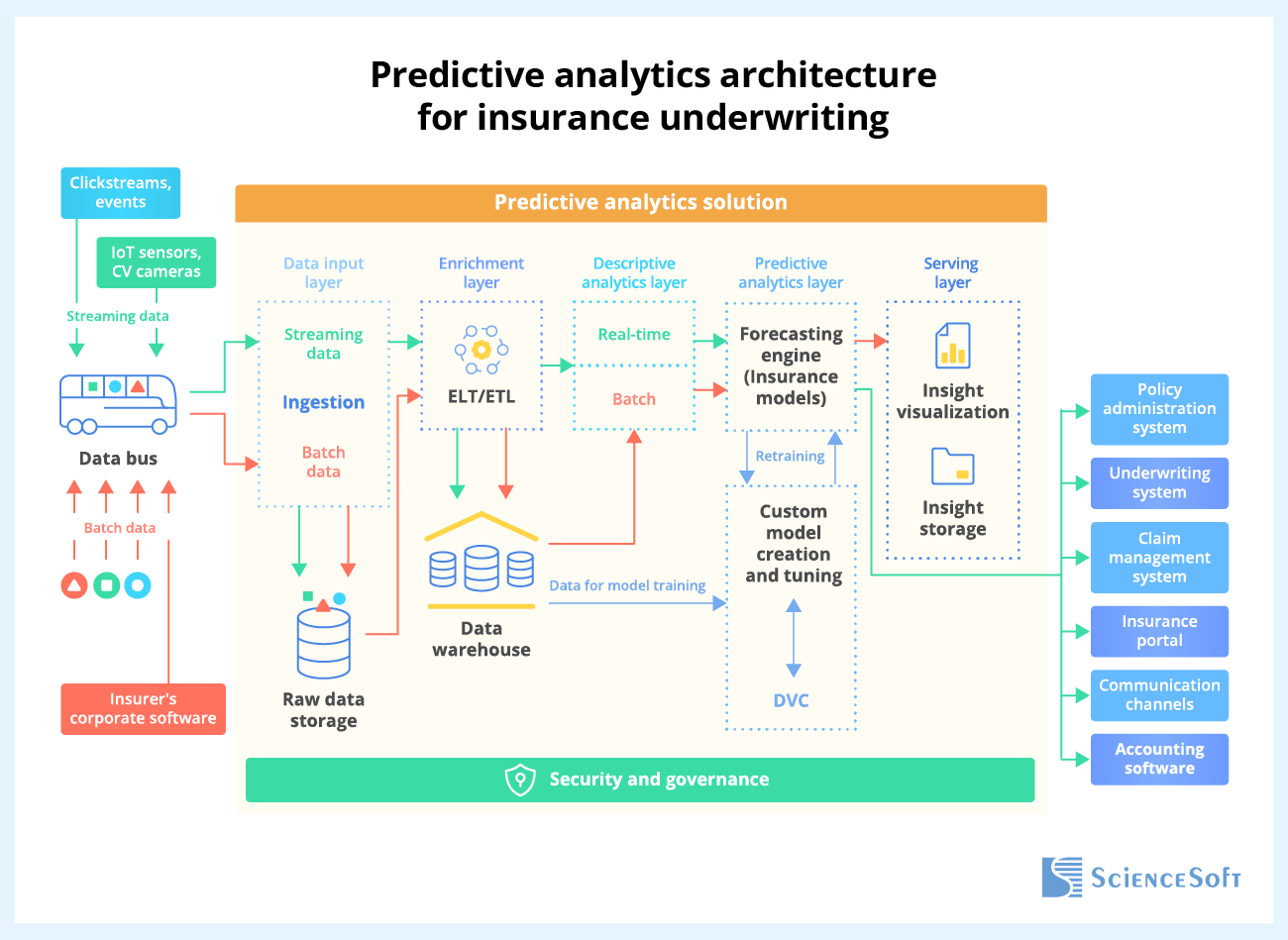
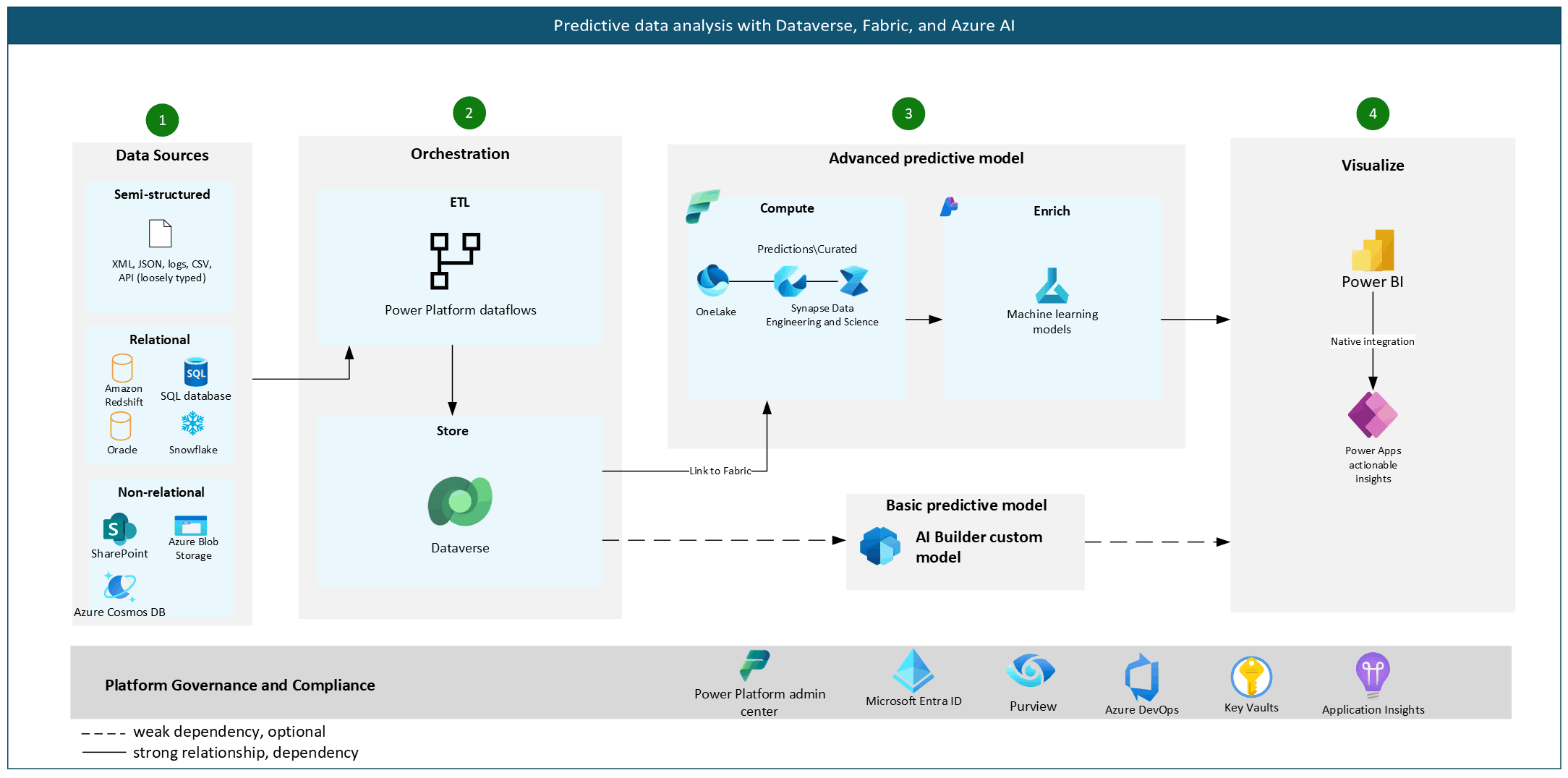
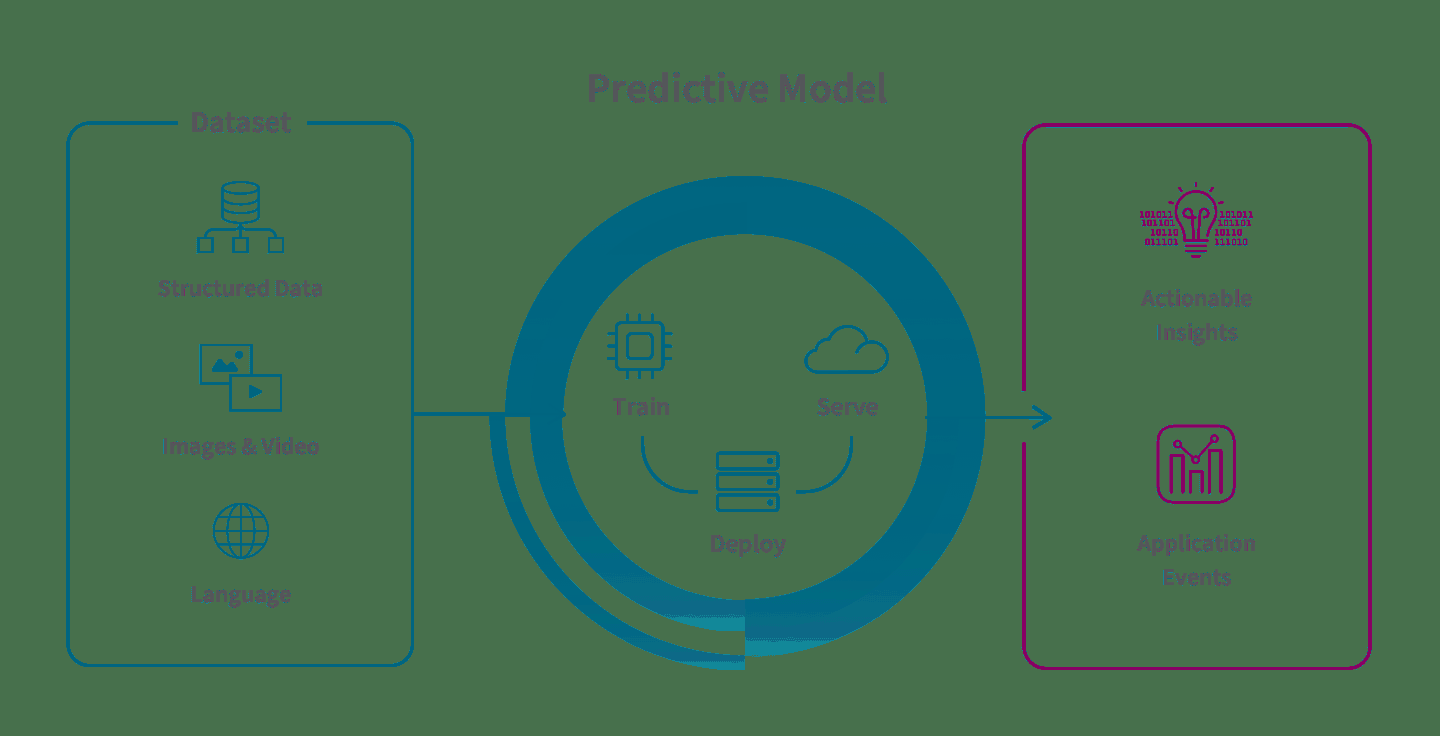
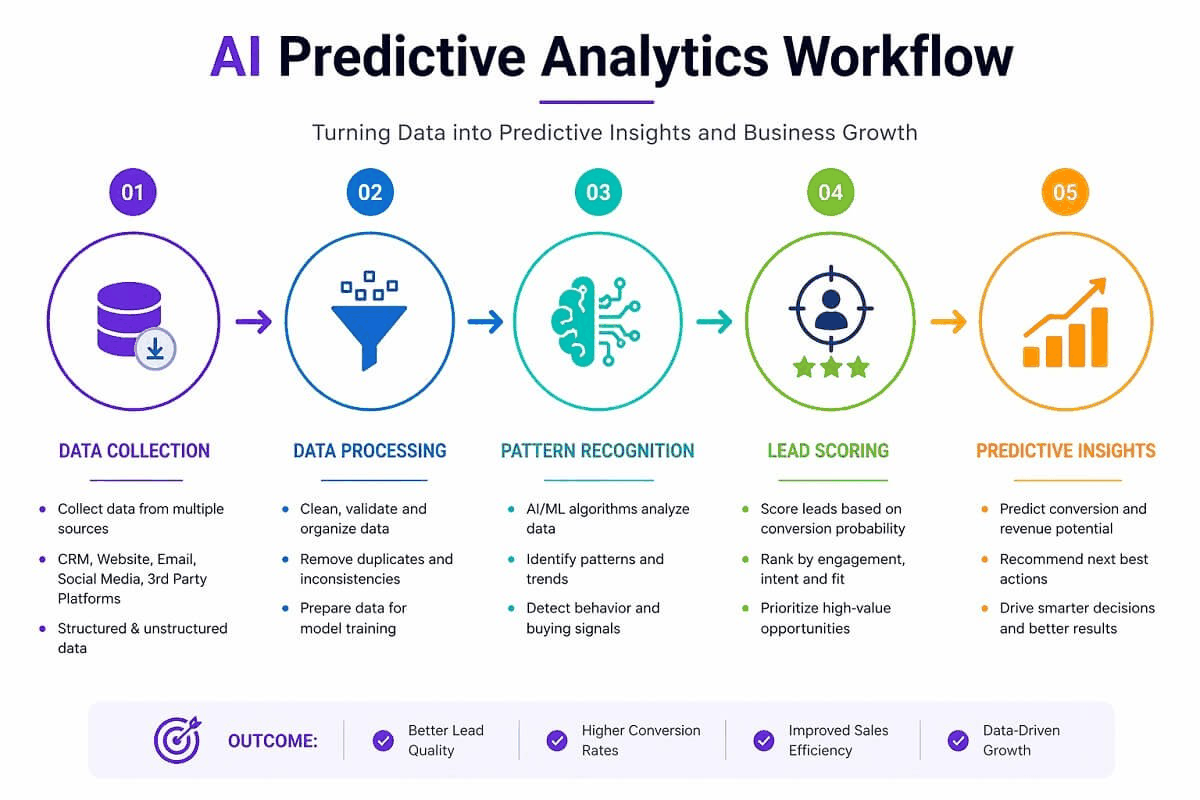
Deep Learning Execution Pipeline
(Preprocessing)
(Feature Extraction)
(Self-Attention)
(Loss Optimization)