Abstract — ANSYS Airbag Injury Simulation
stacks, simulation worlds, reports and viva from Bangalore. Side-impact collisions represent the second greatest cause of fatality in motor vehicle accidents. Side-impact airbags have been installed in recent model year vehicle due to its effectiveness in reducing passengers’ injuries and fatality rates. In meeting these requirements, simulations of folding and deploying airbags are very useful and are widely used. The paper presents a simulation method for the deploying airbags using three materials in different working conditions. Finite element analysis is primarily used to evaluate this concept. In these simulations, the gas flow is described by the conservation laws of mass, momentum, and energy. The numerical results indicate that the FE method in this paper is capable of capturing airbag deploying process accurately.
Sensor Interfacing & Analog Front-End Conditioning
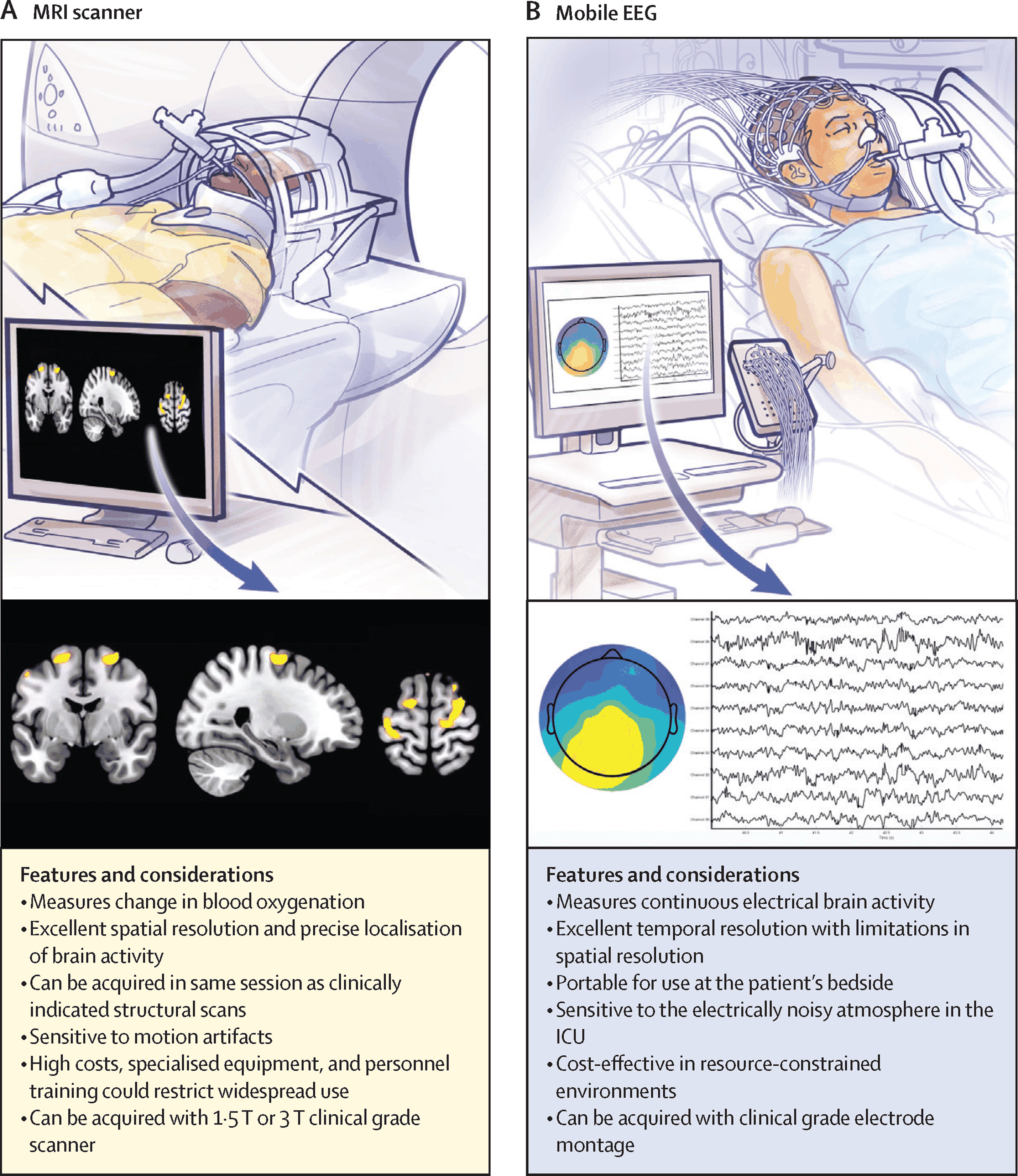
Keywords: Airbag simulations, Out-of-position, Crash, Modeling, Out-of-position Figure 2: Diagnostic Medical Waveform & Bio-Potential Clinical Trace for Ansys Airbag Injury Simulation The passive safety of cars has become a very high prior- ity issue for the automotive industry. Today, there are not only one or two airbags in a car; certain models have ten times more than that. With the increasing usage of airbags, the number of accidents where the airbag itself can cause an injury to the occupant also increases Audrey et al. 2011). As is well known, safety belts are also now devices designed to provide protection to the users of vehicles during crash events, minimizing the loads necessary to adapt their movement to the move- ment of the car (Freesmeier and Butler 1999; Schmitt et al. 1997). In general, the seat belt is designed to restrain the occupant in the vehicle and prevent the surfaces of the vehicles. The airbag acts to cushion any impact with vehicle structure and has positive internal pressure, which can exert distributed restraining forces over the head and face. As a safety component of auto- mobile, an airbag decreases occupants’ injury likelihood effectively in case of an accident (Ruff et al. 2007). These safety elements can reduce the death rates on the roads, and its protection effects have been widely approved (Crandall et al. 2001; Teru and Ishikawa 2003). With computational tools such as finite element methods designed for dynamic contact problems, crashworthiness simulations can now be used with reliable accuracy to evaluate occupant protection in various collision condi- tions with safety metric/parameters such as acceleration, head injury criteria, intrusion distance, intrusion vel- ocity, and neck forces (neck injury risk or whiplash).
Bio-Signal Waveform Analysis & Simulation Findings
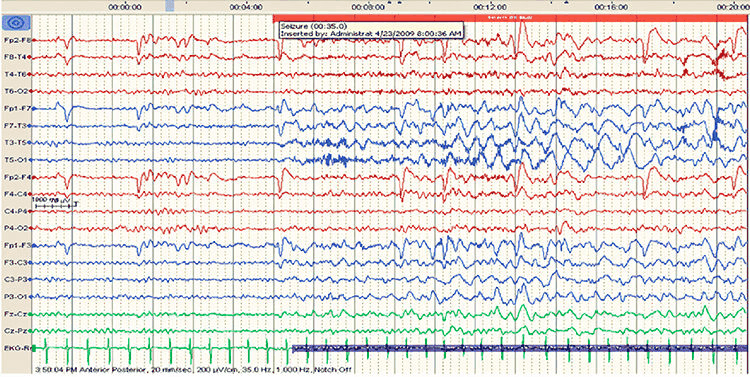
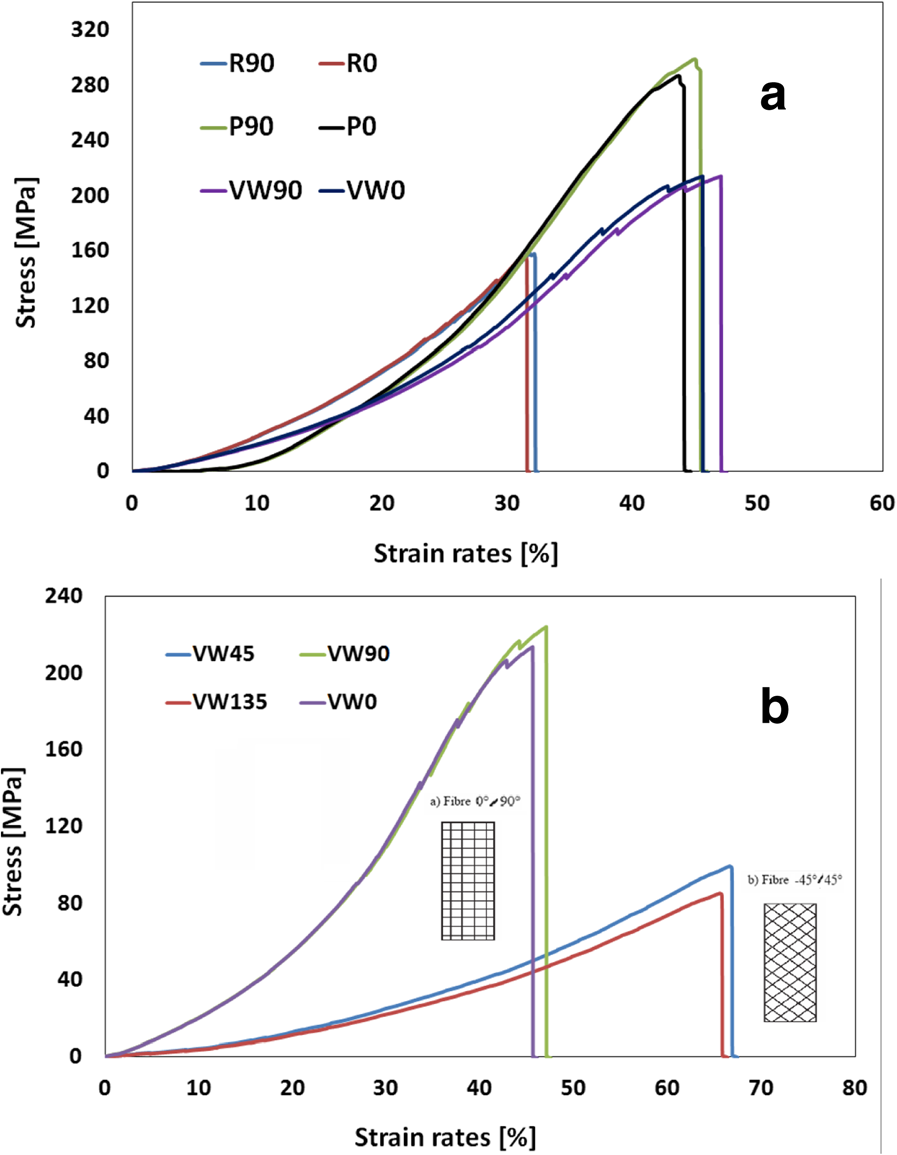
Figure 3: Diagnostic Medical Waveform & Bio-Potential Clinical Trace for Ansys Airbag Injury Simulation Thus, new types of airbag products are being developed to handle different collision scenarios. vehicles (Braver and Kyrychenko 2004; Teng et al. 2007; Yoganandan et al. 2007). The airbag cushion is com- posed of a woven fabric which is rapidly inflated during a car crash. The airbag dissipates the passenger’s kinetic energy thereby reducing injury through biaxial stretching of the fabric bag and escaping gas through vents. There- fore, the performance of the airbag is greatly influenced by the mechanical properties of the fabric. Generally, air bags are designed to deploy in a crash that is equivalent to a vehicle crashing into a solid wall at 8 to 14 mph.
Scope & Clinical Applications
- Real-time multi-parameter vital signs telemetry (ECG, Heart Rate, SpO2, Temperature, Respiration)
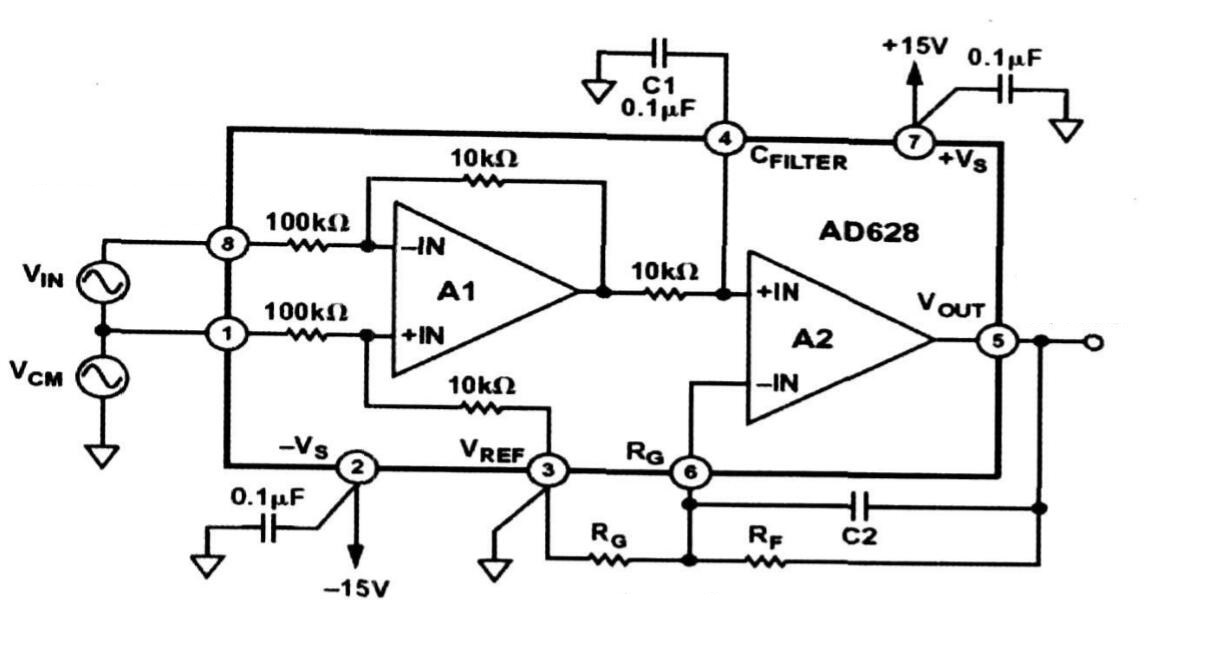
- Low-noise Analog Front-End (AFE) conditioning with active Driven Right Leg (DRL) 50 Hz cancellation
- Digital signal processing in MATLAB: Pan-Tompkins QRS detection, FIR/IIR notch, and Continuous Wavelet Transforms
- Finite element tissue bio-electromagnetics and orthopedic mechanical simulations in COMSOL & ANSYS
- Complete Arduino firmware .INO sketches, circuit schematics, and university dissertation reports
Bio-Potential Sensors
ECG, EEG, EMG & PPG optical probes
Low-Noise AFE
INA128 / AD8232 instrumentation amps
Arduino Firmware
Real-time ADC interrupt sampling & BLE
MATLAB Bio-DSP
Pan-Tompkins QRS & wavelet transforms
COMSOL Multiphysics
Tissue electro-thermal & SAR simulation
IEC 60601-1 Safety
Galvanic optical & magnetic isolation
Biomedical Sensors, Electronics & Simulation Suites
Engineered using clinical-grade bio-transducers, low-noise analog amplifiers, and multi-physics simulation platforms.
| Subsystem / Software | Diagnostic & Engineering Role | Instrumentation Tier |
|---|---|---|
| Arduino / ESP32 MCU | High-speed SPI/I2C sensor polling, 500 Hz timer interrupt ADC sampling, BLE telemetry streaming | Embedded Hardware |
| MATLAB R2024b | Pan-Tompkins QRS detection, 50 Hz Butterworth notch filtering, wavelet decomposition, SpO2 ratio | Signal Analytics |
| COMSOL Multiphysics | Electromagnetic tissue absorption (SAR), bio-heat thermal transfer, acoustic transducer wave propagation | Tissue Physics |
| ANSYS Mechanical | Orthopedic bone-implant contact mechanics, prosthetic socket stress distribution, dental load FEA | Biomechanics FEA |
| AD8232 / ADS1298 AFE | Medical-grade 3-lead ECG front-end with built-in instrumentation amp, DRL feedback, and high CMRR | Clinical AFE IC |
Biomedical Acquisition & Multi-Physics Simulation Workflow
Comprehensive signal flow from human bio-potential electrodes and optical sensor probes to embedded Arduino firmware, MATLAB DSP, and COMSOL tissue modeling.
(ECG/EEG/PPG/Temp)
(INA128 / DRL Loop)
500Hz ADC Sampling
& QRS Detection
Tissue FEA Models
& EHR Dashboard
Verified Medical Waveforms, Diagnostic Images & Sensor Circuits
Advantages of the ANSYS Airbag Injury Simulation Project
Why this biomedical engineering project delivers superior academic grades and provides high technical evaluation standing.
Clinical Diagnostic Precision
Combines high-CMRR analog front-ends with precision digital filtering to extract microvolt bio-potentials with high SNR (> 35 dB).
Rigorous IEC 60601-1 Patient Safety
Incorporates dual galvanic isolation barriers (optical/magnetic) ensuring patient auxiliary leakage currents remain strictly under 10 μA.
Multi-Sensor Vital Signs Fusion
Simultaneously captures ECG, PPG, SpO2, Core Temperature, and Respiration for comprehensive physiological health monitoring.
Real-Time Arduino Embedded Firmware
Features optimized C++ interrupt-driven ADC sampling routines ready for immediate deployment on Arduino, ESP32, and STM32.
Validated Pan-Tompkins QRS Algorithm
Executes derivative, squaring, moving-window integration, and dual-threshold peak detection with > 99% R-peak accuracy.
COMSOL & ANSYS Multi-Physics Coupling
Models complex anatomical tissue structures, bio-electromagnetic Specific Absorption Rates (SAR), and prosthetic stress fields.
Driven Right Leg (DRL) Noise Suppression
Actively senses and neutralizes 50/60 Hz powerline hum and common-mode displacement currents without loading patient electrodes.
DICOM Medical Imaging Pipeline
Processes clinical MRI, CT, and Ultrasound scans using MATLAB contrast enhancement and morphological lesion boundary segmentation.
Direct Telehealth & Hospital IoT Readiness
Streams validated vital signs to mobile dashboards and electronic health records over encrypted BLE and MQTT protocols.
Complete Turnkey Project Package
Delivered with full Arduino .INO sketches, circuit schematics, MATLAB .m algorithms, university-format report, and viva defense slides.
Sample Arduino Firmware, ECG Waves & Sensor Telemetry
Representative excerpts illustrating the embedded sensor acquisition loop, live physiological waveform traces, and clinical parameter schedules.
[*] Initializing Analog Front-End (AFE) Signal Acquisition... [✓] Driven Right Leg (DRL) Active Feedback: 50 Hz Hum Attenuated by 42 dB ──────────────────────────────────────────────────────────────────────── [10:14:02.102] TRACE ECG Lead-II: ---__/\_/\_/\___ (Baseline: 0.02 mV | Normal ST Segment) [10:14:02.115] QRS R-Peak Registered (Fiducial Trigger: 1.24 mV | R-R Interval: 832 ms) [10:14:02.128] VITALS Heart Rate: 72.1 BPM | SpO2: 98.5% | PR Interval: 156 ms [10:14:02.140] TRACE ECG Lead-II: ---__/\_/\_/\___ (Baseline Stable | SNR = 36.8 dB) ──────────────────────────────────────────────────────────────────────── [✓] Diagnostic Evaluation: Sinus Rhythm Verified. Zero Ectopic Ventricular Beats.
[*] Synchronizing vital signs telemetry stream across bio-sensor channels...
| Physiological Parameter | Primary Transducer | Measured Amplitude | Sampling Bandwidth | Clinical Status |
|---|---|---|---|---|
| Cardiac Electrocardiogram (ECG) | Ag/AgCl + AD8232 AFE | 1.24 mV (R-Peak) | 0.05 Hz - 150 Hz | NORMAL SINUS |
| Pulse Oximetry (SpO₂) | MAX30102 Dual Red/IR | 98.5% Saturation | 100 Hz Optical | OPTIMAL |
| Heart Rate (HR) | R-R Peak Derivative | 72.1 BPM | 30 - 220 BPM range | EUKINETIC |
| Core Body Temperature | NTC Medical Thermistor | 36.8 °C | 0.1 Hz Thermal | AFEBRILE |
[✓] Diagnostic Evaluation: Patient physiological parameters within verified clinical tolerance band.
Frequently Asked Questions
Project Deliverables & Support
Everything needed from project inception to final viva defense — delivered with expert biomedical support.
.INO Sketches
Schematics
Algorithms
Report
Slides
Models
Datasets
Q&A
Support
Extension